

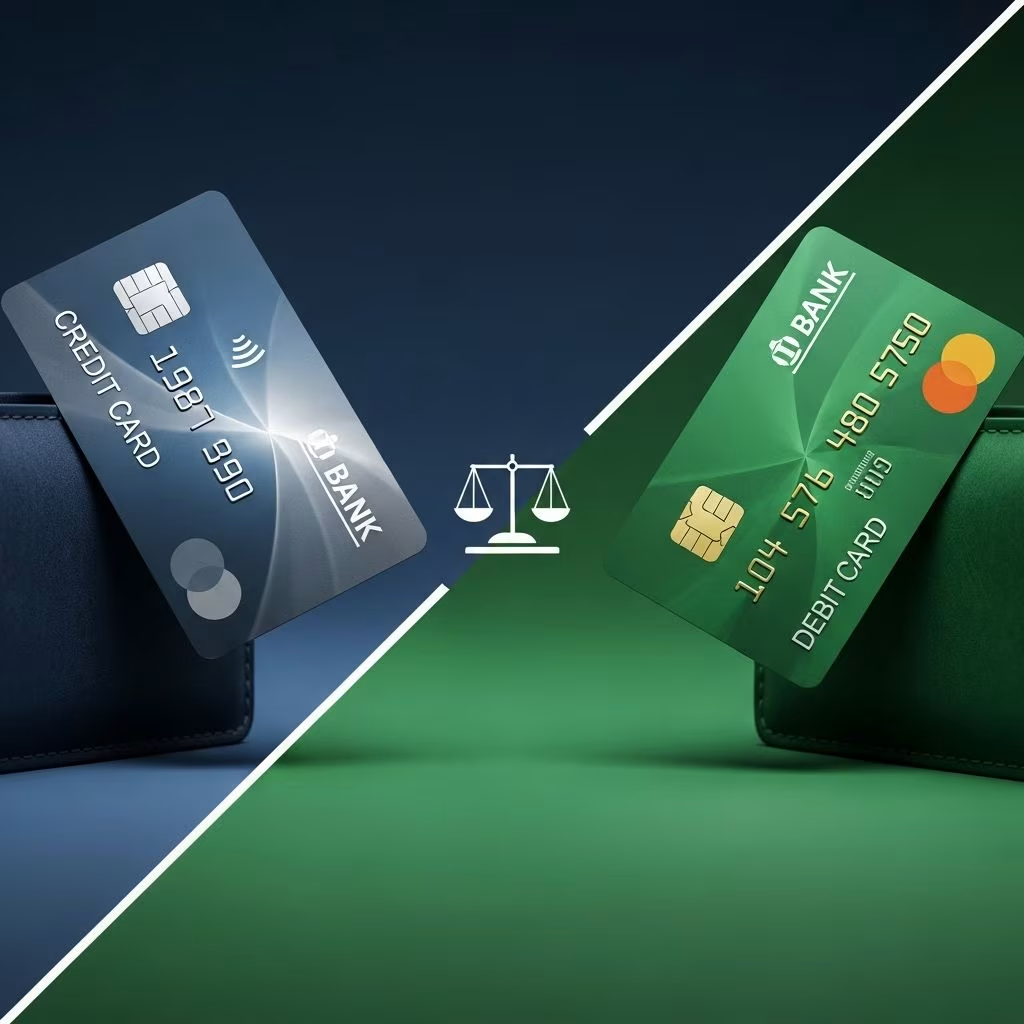
Credit vs. Debit Cards: Which Is Better for You?
When it comes to managing your finances and making purchases, you have multiple payment options available. Among the most common are credit cards and debit cards. While these two payment methods may appear similar at first glance—both featuring a 16-digit card number, expiration date, and personal identification number (PIN)—they function in fundamentally different ways. Understanding the distinctions between these two types of cards is crucial for making informed financial decisions that align with your personal and economic goals.
The choice between using a credit card or debit card depends on various factors, including your spending habits, financial discipline, and long-term financial objectives. Each option offers unique advantages and disadvantages that can significantly impact your finances. This comprehensive guide will explore the key differences between credit and debit cards, helping you determine which payment method is best suited for your lifestyle and financial circumstances.
Understanding Debit Cards
A debit card is a payment instrument that allows you to spend money that you have already deposited into your bank account. When you use a debit card, funds are deducted directly from your checking account, making it a straightforward way to access your own money without carrying cash or writing checks.
How Debit Cards Work
Debit cards function as a direct link to your bank account. When you make a purchase or withdraw cash from an ATM using your debit card, the transaction amount is immediately withdrawn from your available account balance. This real-time deduction means you can only spend what you have on hand, eliminating the possibility of accumulating debt through this payment method.
Types of Debit Cards
Financial institutions and government agencies offer several varieties of debit cards to meet different needs:
- Standard Debit Cards — These cards draw directly on the available funds in your bank account, allowing you to make purchases and withdraw cash at ATMs.
- Electronic Benefits Transfer (EBT) Cards — Issued by state and federal agencies, these cards allow qualifying individuals to use government benefits such as food assistance and temporary financial aid to make purchases.
- Prepaid Debit Cards — Similar to gift cards, prepaid debit cards are loaded with a specific amount of money. These cards are useful for people without access to traditional bank accounts or for parents wanting to teach children responsible spending habits.
- Payroll and Unemployment Cards — These specialized debit cards receive deposits from employers, unemployment compensation, or child support payments, functioning as reloadable payment instruments.
Advantages of Debit Cards
Debit cards offer several practical benefits for everyday spending:
- No Debt Accumulation — Since you can only spend what’s in your account, you cannot go into debt using a debit card.
- Eliminates Need for Cash — Debit cards provide a convenient, secure alternative to carrying large amounts of physical currency.
- Easy Money Management — Transactions appear immediately in your account, helping you track spending in real-time.
- No Interest Charges — Since you’re spending your own money, there are no interest rates or finance charges associated with debit card purchases.
Disadvantages of Debit Cards
Despite their convenience, debit cards have notable limitations:
- Daily Purchase Limits — Many banks impose maximum daily spending limits on debit cards, which may restrict large purchases.
- Insufficient Funds Issues — Your card may be declined if you don’t have enough available balance, which can be embarrassing in public transactions.
- Overdraft Fees — Spending more than your account balance can trigger costly overdraft fees from your bank.
- No Credit Building — Debit card activity is not reported to credit bureaus, so using a debit card does not help establish or improve your credit history.
- Limited Fraud Protection — While debit cards offer some fraud protection, liability limits increase significantly after 48 hours of reporting unauthorized transactions.
Understanding Credit Cards
A credit card is a borrowing tool that allows you to access funds provided by the card issuer up to a predetermined credit limit. When you use a credit card, you are essentially taking a short-term loan that you are expected to repay, typically within a monthly billing cycle.
How Credit Cards Work
When you open a credit card account, the issuer establishes a credit limit—the maximum amount of credit they will extend to you. As you make purchases, these charges accumulate on your account. At the end of each billing cycle, you receive a statement showing all transactions and the amount owed. You can then choose to pay the full balance, make a minimum payment, or pay any amount in between. Any unpaid balance carries over to the next month and accrues interest charges.
Types of Credit Cards
Credit card issuers offer various card categories to suit different financial situations and consumer preferences:
- Standard Credit Cards — These basic cards extend a line of credit to users, allowing them to borrow money for purchases up to their credit limit.
- Rewards Credit Cards — These cards offer incentives such as cash back, travel points, airline miles, or other benefits based on your spending activity.
- Secured Credit Cards — Designed for individuals building credit, these cards require an initial cash deposit held as collateral by the issuer. The deposit amount typically determines your credit limit.
- Charge Cards — These cards may have no preset spending limit, but they typically require you to pay the full balance each month rather than allowing revolving balances.
Advantages of Credit Cards
Credit cards offer numerous benefits beyond simple payment processing:
- Credit Building — Regular credit card use and timely payments help establish and improve your credit score, which is essential for obtaining loans, mortgages, and favorable interest rates.
- Rewards and Benefits — Many credit cards offer cash back, points, or travel rewards that can provide significant value if used strategically.
- Purchase Protection — Credit cards typically offer strong fraud protection, with maximum liability of $50 for unauthorized charges.
- No Spending Limits — As long as purchases stay within your credit limit, you can make large transactions without the restrictions common with debit cards.
- Grace Period — Most credit cards offer an interest-free grace period if you pay your full balance by the due date.
- Extended Warranties and Protections — Many credit cards include additional benefits such as extended warranties, purchase protection, and travel insurance.
Disadvantages of Credit Cards
Credit cards also present significant financial challenges if not used responsibly:
- Debt Accumulation Risk — It’s easy to overspend when using borrowed money, leading to substantial debt.
- Interest Charges — Unpaid balances accrue interest charges that can quickly compound, especially with high credit card interest rates typically ranging from 15% to 25%.
- Multiple Fees — Credit cards commonly charge annual fees, over-limit fees, late payment fees, and balance transfer fees.
- Credit Score Impact — Late payments and high credit utilization can significantly damage your credit score, affecting your ability to obtain credit in the future.
- Temptation to Overspend — The convenience of credit can lead to impulse purchases and spending beyond your means.
Key Differences: Credit vs. Debit Cards
| Feature | Debit Card | Credit Card |
|---|---|---|
| Money Source | Your bank account | Borrowed funds from card issuer |
| Debt Potential | No debt possible | High debt potential if misused |
| Interest Charges | None | Yes, if balance not paid in full |
| Credit Score Impact | None | Significant positive or negative impact |
| Authentication | PIN required for most transactions | Signature, chip, or contactless payment |
| Fraud Protection | Limited; liability increases over time | Strong; maximum $50 liability |
| Rewards Programs | Rare or nonexistent | Commonly offered |
| Purchase Limits | Daily limits often imposed | Limited only by credit limit |
| Fees | Mainly overdraft fees | Annual, late payment, over-limit fees |
Making Purchases: Authentication Methods
Debit Card Transactions
When using a debit card, you typically must enter a four-digit personal identification number (PIN) to authenticate the transaction, especially at ATMs or when using the card as a debit transaction. Some merchants allow you to use your debit card as a credit card alternative, requiring only a signature instead of a PIN.
Credit Card Transactions
Credit card purchases generally require a signature, though many merchants now accept chip technology or contactless payments. You may also be asked to provide your zip code for verification purposes. Most merchants require some form of authentication, but the process is typically simpler than debit card PIN entry.
Fraud Protection and Security
Debit Card Protection
Debit cards offer fraud protection, but with important time limitations. If you report unauthorized charges within 48 hours, your liability is generally limited to the amount of fraudulent transactions reported. However, if you report theft after 48 hours, your liability can increase to $500. After 60 days of receiving your statement, you may have no protection against unauthorized charges, making timely reporting crucial.
Credit Card Protection
Credit cards typically provide superior fraud protection. Under federal law, your maximum liability for unauthorized charges is $50, regardless of when you report the fraud. This stronger consumer protection makes credit cards an attractive option for those concerned about fraudulent activity.
Rewards and Benefits Programs
Credit Card Rewards
Credit cards are renowned for their rewards programs, which can provide substantial financial benefits:
- Cash Back Rewards — Earn a percentage of your purchases back as cash, typically ranging from 1% to 5% depending on the card and category.
- Points Programs — Accumulate points with each purchase that can be redeemed for gift cards, merchandise, or travel experiences.
- Travel Rewards — Frequent flyers can earn airline miles or hotel points that significantly reduce travel costs.
- Sign-Up Bonuses — Many cards offer substantial bonus rewards for meeting spending requirements within the first few months.
Debit Card Rewards
Debit cards rarely offer rewards programs. Some banks have introduced limited rewards for debit card usage, but these programs are uncommon and typically offer minimal benefits compared to credit card rewards.
Credit Score Impact
One of the most significant differences between credit and debit cards is their impact on your credit score. Your credit score is a numerical value based on several factors in your credit history, including payment history, credit utilization, length of credit history, credit mix, and recent credit inquiries.
Debit cards have no impact on your credit score because debit card transactions are not reported to credit bureaus. While this means you cannot damage your credit with debit card usage, it also means you cannot build your credit history through debit card activity.
Credit cards significantly influence your credit score. Responsible credit card use—such as paying your full balance on time, maintaining low credit utilization, and using credit consistently over time—helps build a strong credit score. Conversely, late payments, maxed-out cards, and credit inquiries can damage your score. A good credit score is essential for obtaining favorable terms on mortgages, car loans, personal loans, and can even affect employment opportunities and insurance rates.
Fees and Costs
Debit Card Fees
Debit card fees are primarily limited to overdraft charges. If you spend more than your available balance, your bank may assess an overdraft fee, typically ranging from $25 to $35 per occurrence. Some banks offer overdraft protection that links your debit account to a savings account or credit line to prevent overdrafts.
Credit Card Fees
Credit cards often involve multiple types of fees:
- Annual Fees — Some cards charge yearly membership fees, ranging from $25 to several hundred dollars for premium cards.
- Late Payment Fees — Missing your due date typically results in a late fee, usually $25 to $40.
- Over-Limit Fees — Exceeding your credit limit may incur a fee, though many issuers now decline over-limit transactions instead.
- Balance Transfer Fees — Transferring a balance from one card to another usually involves a fee of 3% to 5%.
- Cash Advance Fees — Withdrawing cash using your credit card typically costs 3% to 5% plus higher interest rates.
- Interest Charges — Unpaid balances accrue interest, which is the most significant ongoing cost of credit cards.
However, using your credit card responsibly—paying your full balance on time and avoiding over-limit transactions—can minimize or eliminate most of these fees.
Which Card Is Right for You?
Choose a Debit Card If:
- You want to avoid debt and prefer spending only what you have.
- You struggle with impulse spending and need strict spending controls.
- You’re just starting to establish a banking relationship.
- You want simple, straightforward payment without worrying about interest or fees.
- You have poor credit and cannot qualify for a credit card.
Choose a Credit Card If:
- You want to build or improve your credit score for future loan applications.
- You can commit to paying your full balance each month.
- You want to earn rewards on your everyday spending.
- You value fraud protection and purchase security features.
- You need to make large purchases that exceed debit card limits.
- You want access to additional benefits like extended warranties and travel insurance.
Best Practices for Card Usage
Regardless of which card you choose, following these best practices will help you maximize benefits and minimize financial risks:
- Track all transactions regularly to catch fraudulent activity early.
- Set up payment reminders to avoid late fees and credit score damage.
- Keep your credit utilization below 30% to maintain a healthy credit score.
- Review your credit report annually for errors or unauthorized accounts.
- Never share your PIN or card details with anyone.
- Use secure, encrypted connections when making online purchases.
- Choose cards with benefits that align with your spending patterns.
- Pay attention to interest rates if you anticipate carrying balances.
Frequently Asked Questions
Q: Can I use a debit card to build credit?
A: No, debit card usage is not reported to credit bureaus and does not impact your credit score. To build credit, you need to use a credit card or other credit products that are reported to credit agencies.
Q: What should I do if my debit card is stolen?
A: Report the theft to your bank immediately. If you report within 48 hours, your liability is limited. After 48 hours, your liability increases to $500, and after 60 days, you may have no protection. Quick action is essential to minimize your financial exposure.
Q: Is it better to use credit or debit cards for online shopping?
A: Credit cards typically offer better fraud protection for online shopping. If unauthorized charges occur, your maximum liability is $50. With debit cards, your liability can be higher if you don’t report fraud quickly. Using a credit card for online purchases provides extra security.
Q: Do credit cards ever have no annual fees?
A: Yes, many credit cards carry no annual fees. These cards are ideal if you don’t want to pay for the privilege of having a credit card. However, premium cards with extensive benefits often charge annual fees that may be offset by rewards earned.
Q: Can I have both a credit card and a debit card?
A: Absolutely. Many people use both cards strategically—using debit cards for everyday purchases and cash withdrawals, while using credit cards for larger purchases and situations where rewards or fraud protection are beneficial.
Q: How does using a credit card affect my credit utilization ratio?
A: Your credit utilization ratio is the percentage of available credit you’re using. For example, if you have a $5,000 credit limit and a $1,500 balance, your utilization is 30%. Keeping this ratio below 30% is ideal for maintaining a healthy credit score.
Q: What is a grace period on a credit card?
A: A grace period is the time between when your statement closes and when payment is due (typically 20-25 days). If you pay your full balance during this period, no interest is charged on purchases. This allows you to use the card interest-free for short-term borrowing.
Q: Are prepaid debit cards the same as credit cards?
A: No, prepaid debit cards are quite different. Like standard debit cards, they draw on money you’ve already loaded onto the card, not borrowed money. They also don’t help build credit or offer rewards like credit cards do.
References
- What’s the Difference Between Debit and Credit Cards? — Central Bank. 2024. https://www.centralbank.net/learning-center/difference-between-debit-and-credit-cards/
- Debit Card vs. Credit Card: What is the Difference? — Mission Federal Credit Union. 2024. https://www.missionfed.com/news-stories/debit-card-vs-credit-card-what-is-the-difference/
- Credit Cards vs. Debit Cards: What’s the Difference — Investopedia. 2024. https://www.investopedia.com/articles/personal-finance/050214/credit-vs-debit-cards-which-better.asp
This article is general information, not personal financial advice. Consider your own situation, or speak with a licensed adviser, before acting on it.


