

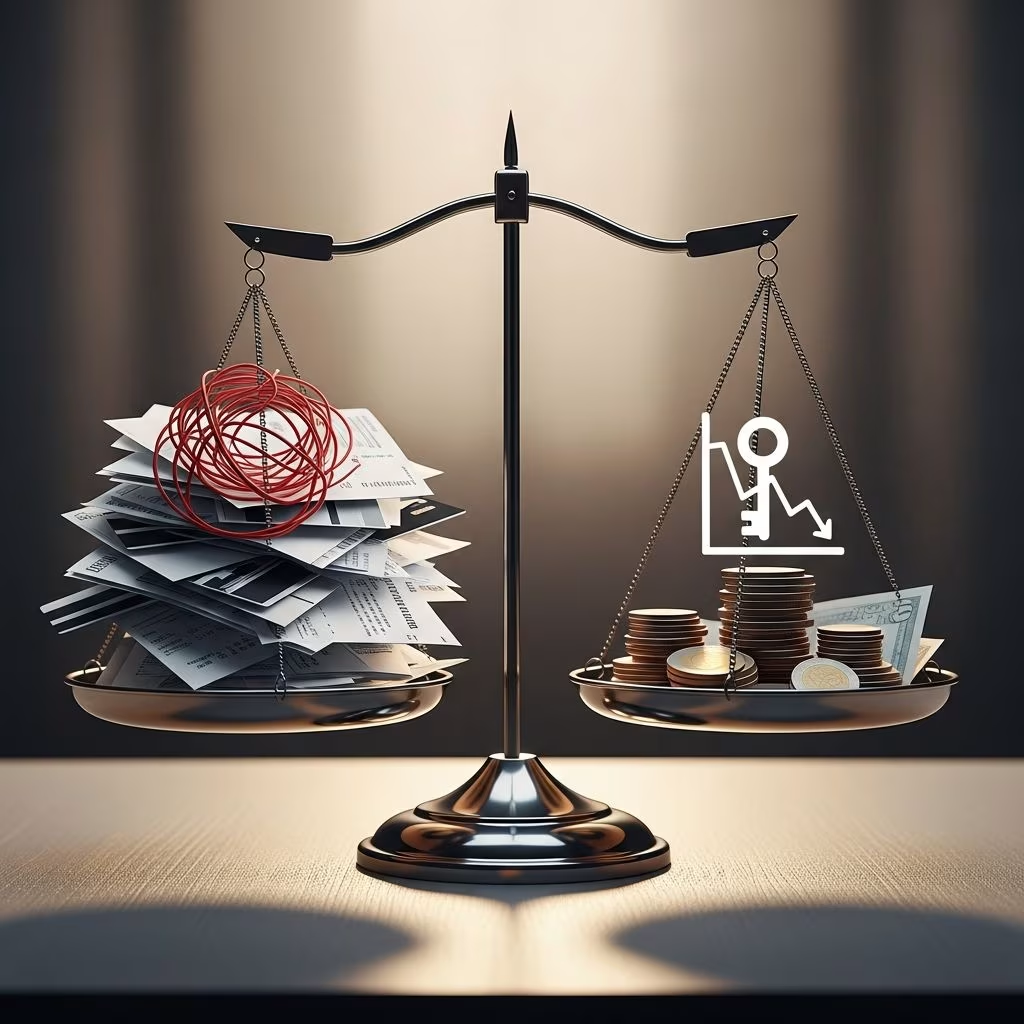
Debt consolidation loans offer a practical way to merge multiple debts into a single payment, potentially cutting costs and simplifying budgeting. This approach is particularly useful for those overwhelmed by high-interest credit cards or various loans, providing a clearer path to financial stability.
Understanding the Fundamentals of Debt Consolidation
At its core, a debt consolidation loan replaces several existing obligations with one new loan. The funds from this loan pay off your prior balances, leaving you with just one lender and one monthly installment. This method targets unsecured debts such as credit card balances, personal loans, or medical expenses, streamlining what might otherwise be a chaotic payment schedule.
The process begins with assessing your total debt amount. Lenders then approve a loan that covers this sum, often at a fixed interest rate lower than your average current rates. Repayment terms typically span 12 to 60 months, depending on the loan size and your qualifications. Unlike secured options like home equity loans, most consolidation loans are unsecured, meaning no collateral is required.
Key Advantages of Choosing a Consolidation Loan
Opting for a consolidation loan brings several tangible benefits that can transform your financial landscape.
- Streamlined Payments: Consolidating eliminates the need to track multiple due dates and amounts, reducing oversight errors and late fees.
- Interest Savings: Qualifying for a lower APR can significantly decrease total interest paid over time, especially if original debts carry high rates like those on credit cards.
- Credit Score Potential Boost: Consistent on-time payments build positive history, and reducing credit utilization can improve scores.
- Financial Relief: Lower monthly outlays free up cash for essentials or savings, easing budgetary strain.
These perks make consolidation appealing for anyone juggling debts that exceed 30-50% of their monthly income.
Potential Drawbacks and Risks to Consider
While beneficial, debt consolidation isn’t without pitfalls. Awareness of these can help you decide if it’s right for your situation.
| Pros | Cons |
|---|---|
| Single payment simplifies tracking | Hard inquiries may temporarily lower credit score |
| Lower interest rates possible | Origination fees add upfront costs |
| Fixed terms aid planning | Temptation to accrue new debt on freed accounts |
| Credit improvement over time | Longer terms increase total interest paid |
A temporary credit dip from applications is common but often rebounds with responsible use. Fees can range from 1-8% of the loan, so calculate net savings.
Who Qualifies for a Debt Consolidation Loan?
Lenders evaluate credit score (ideally 670+ FICO), debt-to-income ratio under 40%, stable income, and minimal recent inquiries. Good credit unlocks the best rates (around 6-12% APR), while fair credit might face 15-36%.
- Strong credit history and scores above 700
- Verifiable employment or income sources
- Total debt not exceeding borrowing limits
- No recent bankruptcies or delinquencies
Shopping multiple lenders via prequalification preserves your score, as it involves soft pulls only.
Step-by-Step Guide to Securing a Consolidation Loan
- Calculate Total Debt: List balances, rates, and minimums to determine loan needs.
- Check Credit Report: Review for errors via AnnualCreditReport.com.
- Compare Lenders: Use rate tables from banks, credit unions, and online platforms.
- Prequalify: Get personalized offers without credit impact.
- Apply and Pay Off Debts: Use funds directly to close old accounts.
- Set Up Autopay: Ensure timely payments to maximize benefits.
This structured approach minimizes surprises and optimizes terms.
Ideal Scenarios for Debt Consolidation
Consolidation shines when you have high-rate debts (over 15% APR), multiple accounts causing missed payments, or improved credit since originating debts. It’s less ideal if rates aren’t lower or if you lack spending discipline.
For example, consolidating $20,000 at 20% average rate into 10% over 36 months could save thousands in interest while halving payments.
Alternative Debt Management Strategies
Not everyone fits the consolidation mold. Consider these options:
- Balance Transfer Cards: 0% intro APR for 12-21 months, best for smaller balances.
- Debt Management Plans: Nonprofit counseling negotiates lower rates without new loans.
- Home Equity Loans: Lower rates but risks foreclosure.
- Debt Avalanche/Snowball: Prioritize high-interest or small debts manually.
Choose based on credit, assets, and discipline level.
Impact on Your Credit Profile
Short-term: New inquiries and account age dilution may drop scores 5-10 points. Long-term: Paying down utilization (aim under 30%) and on-time history rebuilds it stronger.
Closing paid cards can hurt if it shortens history, so keep them open with zero balances.
Frequently Asked Questions
Will a debt consolidation loan hurt my credit score?
Possibly short-term due to inquiries, but long-term benefits usually outweigh this if payments are on time.
How much can I borrow with a consolidation loan?
Typically $5,000 to $50,000, based on income and creditworthiness.
Are there fees involved?
Yes, origination fees of 1-8%, but shop for low or no-fee options.
Can I consolidate all types of debt?
Most unsecured; secured like mortgages usually not.
Is debt consolidation better than bankruptcy?
Often yes, as it avoids severe credit damage while restructuring payments.
Long-Term Financial Habits Post-Consolidation
Success hinges on prevention: Track spending with apps, build emergency funds (3-6 months expenses), avoid new credit, and review credit quarterly. Pair with budgeting methods like 50/30/20 for sustained health.
Regularly reassess progress; refinance if rates drop further.
References
- Consolidating Debt: The Pros and Cons — Exchange Bank. 2023. https://www.ebnemo.com/blog/post/consolidating-debt-the-pros-and-cons
- How to Consolidate Debt — Santander Bank. 2024-01-15. https://www.santanderbank.com/personal/resources/personal-loans/how-to-consolidate-debt
- Debt Consolidation: Does it Hurt Your Credit? — Equifax. 2025-03-10. https://www.equifax.com/personal/education/debt-management/articles/-/learn/what-is-debt-consolidation/
- Pros and Cons of Debt Consolidation — Experian. 2024-11-20. https://www.experian.com/blogs/ask-experian/pros-and-cons-of-debt-consolidation/
- When Is Debt Consolidation a Good Idea? — Truliant FCU. 2024. https://www.truliantfcu.org/borrow/debt-consolidation/when-is-debt-consolidation-a-good-idea
- Personal Banking Guide: How Debt Consolidation Works — UMB Bank. 2023-09-05. https://blog.umb.com/personal-banking-guide-how-debt-consolidation-works/
This article is general information, not personal financial advice. Consider your own situation, or speak with a licensed adviser, before acting on it.


