

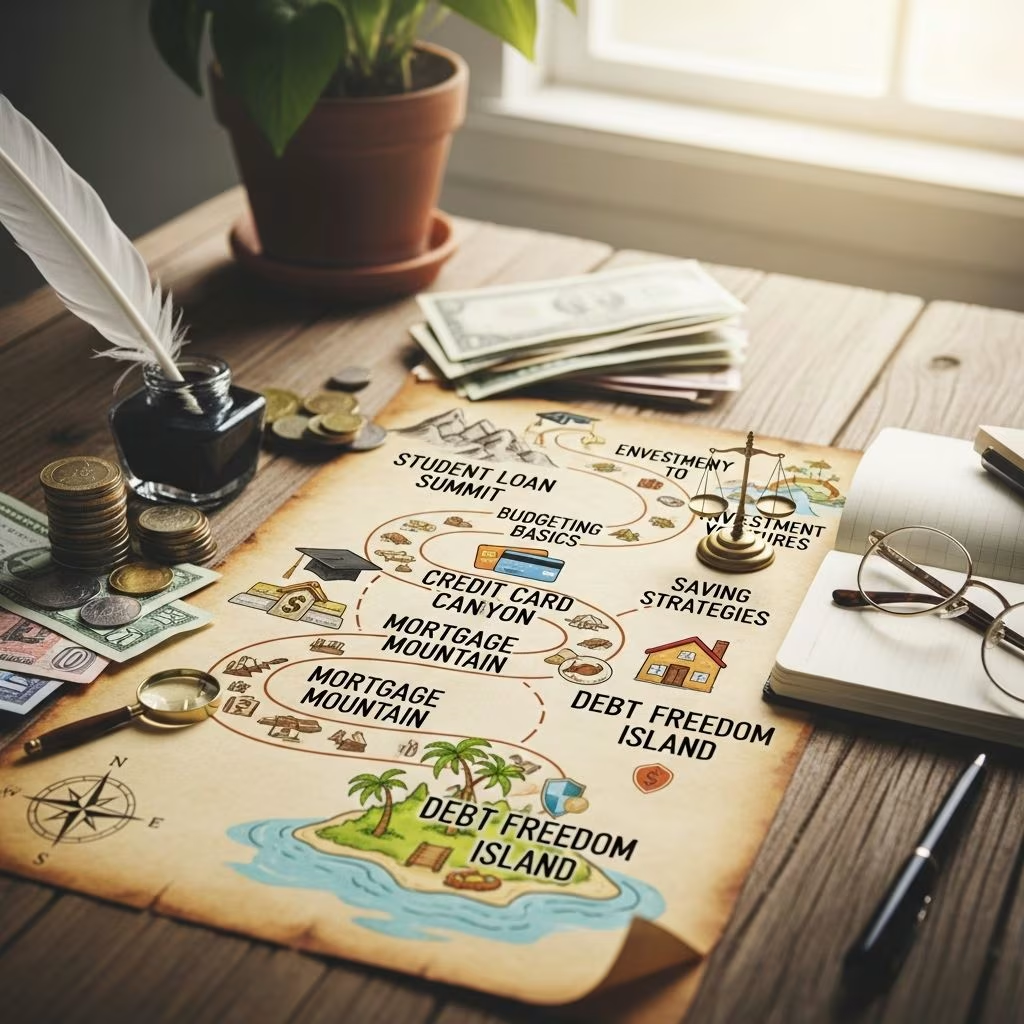
Regaining control over your finances starts with a clear plan to tackle outstanding debts. Whether you’re dealing with credit cards, loans, or other obligations, structured approaches can significantly reduce the time and cost involved in becoming debt-free. This guide outlines practical methods, budgeting tools, and habits to help you navigate the process effectively.
Understanding Your Debt Landscape
Before diving into repayment tactics, gain a full picture of your financial obligations. Compile a detailed list of all debts, including balances, interest rates, minimum payments, and due dates. This inventory reveals high-cost debts draining your resources and sets the foundation for targeted action.
- Gather statements: Review recent bills for accurate figures.
- Calculate totals: Sum principal and projected interest to grasp the full burden.
- Track patterns: Note payment histories to identify potential issues like late fees.
Tools like spreadsheets or free debt calculators simplify this step, providing insights into long-term costs if unchanged.
Building a Solid Budget Foundation
A realistic budget aligns your income with expenses, freeing up funds for accelerated debt payments. Allocate earnings using frameworks like the 50/30/20 rule: 50% for necessities, 30% for wants, and 20% for savings and debt reduction.
| Category | Percentage | Example Allocation ($4,000 Monthly Income) |
|---|---|---|
| Needs (rent, food, utilities) | 50% | $2,000 |
| Wants (entertainment, dining) | 30% | $1,200 |
| Savings/Debt | 20% | $800 |
Trim discretionary spending by negotiating bills, cooking at home, or canceling unused subscriptions. Direct savings directly to debt, ensuring minimums are met first to avoid penalties.
The Avalanche Method: Maximize Interest Savings
Prioritize debts with the highest interest rates to minimize overall costs. This mathematical approach, often called the avalanche method, targets expensive obligations first while maintaining minimums on others.
- List debts by descending interest rates.
- Pay minimums on all accounts.
- Apply extra funds to the top-interest debt.
- Rollover payments to the next upon payoff.
For instance, with a credit card at 24% APR and a loan at 7%, eliminating the card first prevents compounding high interest. Studies show this saves thousands compared to minimum payments alone.
Avalanche Simulation
Debt A: $5,000 at 20% ($100 min)
Debt B: $10,000 at 12% ($200 min)
Extra: $300/mo
Result: Debt A cleared in 14 months, then full $400 to B, total time 28 months, interest saved ~$2,500.
The Snowball Method: Gain Momentum Through Wins
If motivation drives you, the snowball method focuses on smallest balances first, creating quick victories to sustain effort. Psychological boosts from closures outweigh minor interest differences for many.
- Order debts from lowest to highest balance.
- Minimums on larger ones; extras on smallest.
- Celebrate payoffs and consolidate funds forward.
Ideal for multiple small debts like cards or loans, this builds discipline. While potentially costlier in interest, rapid progress reduces overwhelm.
Debt Consolidation: Simplify and Potentially Lower Rates
Combine multiple debts into one loan or card with better terms. This streamlines tracking, often yielding lower rates and fixed payments.
Options include:
- Personal loans: Fixed rates, single payment.
- Home equity loans: Lower rates if you own property (use cautiously).
- Balance transfers: 0% intro APR cards for credit debt.
Pros: Easier budgeting, possible savings. Cons: Fees, qualification requirements. Ensure new rate beats averages.
Boosting Payments: Small Changes, Big Impact
Exceed minimums consistently to erode principal faster. Even $50 extra monthly on a $10,000 card at 18% shaves years and hundreds in interest.
Sources for extras:
- Windfalls like bonuses or refunds.
- Side income from gigs.
- Expense audits revealing leaks.
Automate payments to enforce consistency and avoid fees.
Balance Transfers: Leverage Promotional Rates
Shift high-rate credit balances to cards offering 0% intro periods (12-21 months). More payment hits principal, accelerating payoff.
Key considerations:
- 3-5% transfer fees.
- Post-promo rate hikes.
- Credit score impact.
Best for those committing to full payoff during promo.
Emergency Funds and Holistic Habits
Maintain a $1,000 starter emergency fund to prevent new debt from surprises. Balance repayment with retirement contributions at minimum levels.
Additional habits:
- Increase income: Negotiate raises, freelance.
- Cut costs: Refinance loans, shop insurance.
- Seek advice: Non-profits like NFCC for counseling.
Track progress monthly to adjust.
Choosing Your Ideal Strategy
| Method | Best For | Pros | Cons |
|---|---|---|---|
| Avalanche | High-interest focus | Saves money | Slower visible wins |
| Snowball | Motivation needs | Quick successes | Higher interest cost |
| Consolidation | Multiple debts | Simplifies | Upfront costs |
| Extra Payments | All situations | Flexible | Requires discipline |
Select based on psychology, rates, and goals; hybridize as needed.
Common Pitfalls to Avoid
- Ignoring debts leads to growth.
- New spending during payoff.
- Missing minimums triggers fees.
- Overlooking credit health.
Monitor scores; good habits improve them.
FAQs
What if I have overwhelming debt?
Consult certified counselors; explore hardship programs before bankruptcy.
Can I mix methods?
Yes, e.g., avalanche core with snowball for tiny debts.
How long until debt-free?
Varies; $20K at 15% with $500/mo extras: ~4 years.
Does paying extra hurt credit?
No, utilization drops positively.
Student loans included?
Yes, but federal protections first.
Commit to your plan for lasting freedom.
References
- Strategies for Debt Repayment — UMassFive.coop. 2023. https://umassfive.coop/its-money-thing/strategies-debt-repayment
- 5 Debt Repayment Strategies That Could Change Your Life — Navy Federal Credit Union. 2024-01-15. https://www.navyfederal.org/makingcents/credit-debt/debt-repayment-strategies.html
- Strategies to Help You Pay Off Debt — Equifax. 2024. https://www.equifax.com/personal/education/debt-management/articles/-/learn/paying-off-debt-strategies/
- How to Manage Debt Effectively — UKFCU. 2023-06-10. https://www.ukfcu.org/blog/how-to-manage-debt-effectively
- How should I prioritize paying off my debts? — Vanguard. 2024. https://ownyourfuture.vanguard.com/content/en/learn/financial-planning/how-should-i-prioritize-paying-off-my-debt.html
This article is general information, not personal financial advice. Consider your own situation, or speak with a licensed adviser, before acting on it.


