

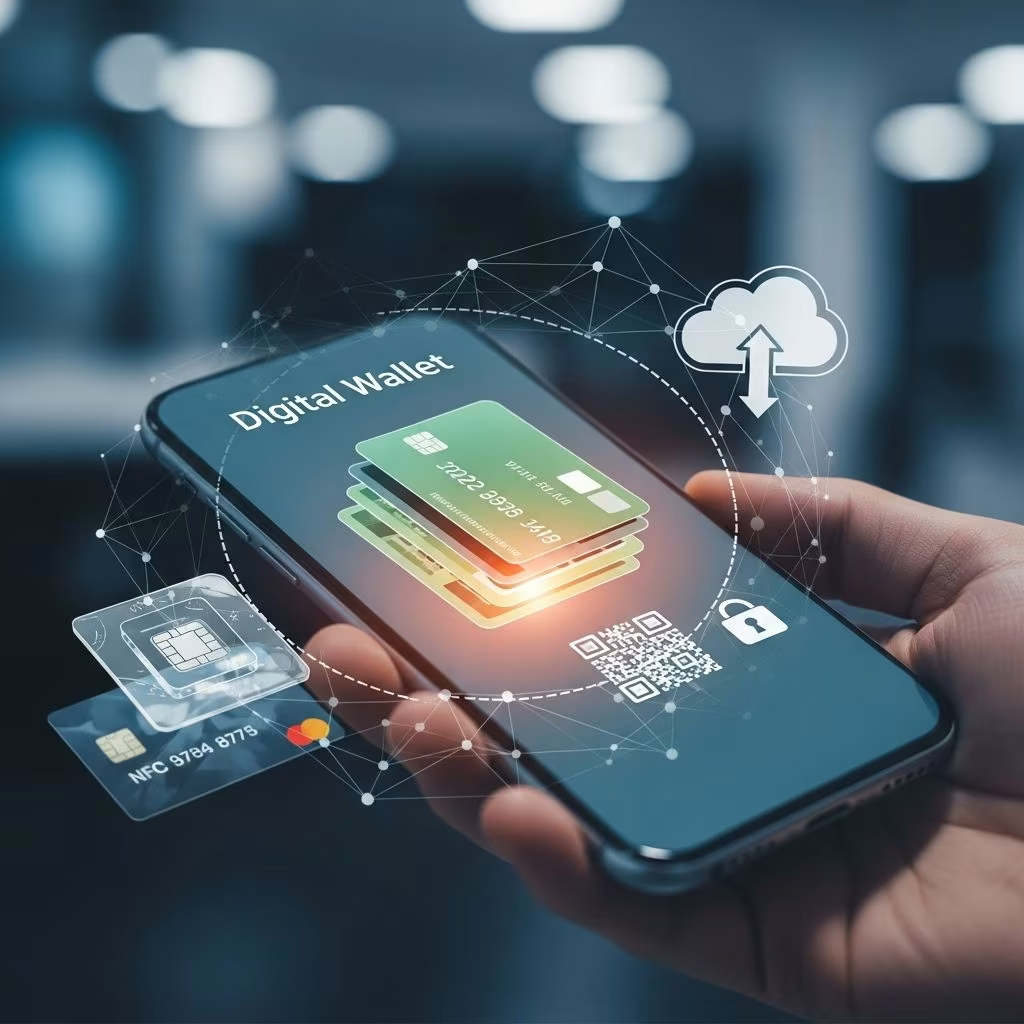
A **digital wallet**, also known as an e-wallet or mobile wallet, is a software-based system or app that securely stores users’ payment information, such as credit and debit cards, allowing for quick transactions via smartphones, tablets, or computers without physical cards or cash. These wallets enable contactless payments through technologies like NFC (Near Field Communication), QR codes, or online autofill, revolutionizing how people manage money in a digital-first economy.
How Does a Digital Wallet Work?
Digital wallets function by digitizing traditional payment methods. Users add their cards to the app, where sensitive data is encrypted and often tokenized—replaced with unique digital tokens to prevent fraud during transactions. For in-store purchases, simply tap your device on a compatible terminal; online, select the wallet for one-click checkout; for P2P, send funds via phone number or email.
- Tokenization: Replaces card details with secure tokens, ensuring actual numbers aren’t shared with merchants.
- Encryption: Protects data end-to-end using advanced protocols.
- Biometrics: Unlocks via fingerprint, face ID, or PIN for authorization.
This process makes transactions faster and safer than swiping physical cards, with global adoption reaching over 3.4 billion users by 2023, accounting for 30% of U.S. point-of-sale and 50% of online purchases.
Types of Digital Wallets
Digital wallets vary by storage method and functionality, broadly categorized into three types:
| Type | Description | Examples | Use Cases |
|---|---|---|---|
| Device-Based (Closed) | Tied to a specific device/OS, stores data locally or in secure cloud. | Apple Pay, Google Pay | In-store NFC taps, app purchases. |
| Server-Based (Semi-Closed) | Cloud-stored, accessible across devices; requires internet. | PayPal, Venmo | Online shopping, P2P transfers. |
| Card-Based (Open) | Emulates physical cards for any compatible terminal. | Samsung Wallet | Versatile contactless payments. |
Each type balances convenience, security, and accessibility, with device-based options prioritizing privacy through hardware chips.
Key Features of Digital Wallets
Modern digital wallets pack robust features beyond basic payments:
- Payment Cards Storage: Securely holds multiple debit, credit, prepaid cards, and even cryptocurrencies for easy access.
- Contactless/NFC Payments: Tap-to-pay at millions of terminals worldwide.
- QR Code Scanning: Scan merchant codes for instant checkout.
- P2P Transfers: Send money using email, phone, or QR—ideal for splitting bills.
- Online Autofill: Speeds up e-commerce with saved details.
- Rewards & Loyalty: Tracks points, applies discounts automatically.
- Budgeting Tools: Expense categorization, spending analytics, graphs for financial insights.
Emerging integrations like AI for personalized offers and blockchain for transparency further enhance usability.
Benefits of Digital Wallets
Digital wallets offer compelling advantages driving their explosive growth:
Convenience and Speed
Store everything in one app—no fumbling for cards or cash. Tap to pay in seconds at stores, autofill online, or split bills instantly. This eliminates checkout lines and manual data entry, saving time for busy users.
Enhanced Security
Superior to physical wallets: tokenization, encryption, biometrics, and remote wipe if lost. Fraud detection alerts suspicious activity, reducing theft risks. Unlike cards, data isn’t exposed even if skimmed.
Rewards and Loyalty Programs
Earn cashback, points, and exclusive deals without extra cards. Notifications highlight offers, boosting savings.
Global Accessibility
Hold multiple currencies, seamless conversions for travel. Works worldwide where NFC/QR is accepted.
Environmental Benefits
Reduces plastic card production and cash transport, lowering carbon footprints.
Fewer Items to Carry
Ditch your bulky wallet; phone suffices for payments, IDs, tickets, and loyalty cards.
Popular Digital Wallets
Top providers dominate the market:
- Apple Pay: Seamless for iOS users, NFC-focused with Face ID security.
- Google Pay: Android staple, supports P2P via Google services.
- Samsung Wallet: Galaxy-optimized, stores cards and digital keys.
- PayPal: Online/P2P leader, server-based for cross-device use.
- Venmo: Social P2P transfers with fun emojis.
Over 3.4 billion global users highlight their ubiquity.
Digital Wallets vs. Traditional Wallets
| Aspect | Digital Wallet | Traditional Wallet |
|---|---|---|
| Convenience | Tap/one-click; all-in-one app | Carry multiple cards/cash |
| Speed | Seconds per transaction | Swiping/searching delays |
| Security | Tokens, biometrics, remote lock | Vulnerable to loss/theft |
| Features | Rewards, budgeting, P2P | Basic storage only |
| Accessibility | Global, multi-currency | Cash/card limits abroad |
Digital options excel in every category, especially post-pandemic with contactless surging.
Frequently Asked Questions (FAQs)
Q: Is a digital wallet safe?
A: Yes, with tokenization, encryption, biometrics, and fraud alerts, they’re safer than physical cards. Remote controls mitigate loss risks.
Q: Do I need a smartphone for a digital wallet?
A: Primarily yes, but smartwatches and computers support many. NFC-enabled devices required for contactless.
Q: Can digital wallets replace cash entirely?
A: In many places yes for payments, but cash persists where tech lags. Hybrids common.
Q: How do I add a card to my digital wallet?
A: Open app, scan/photograph card or enter details manually, verify via bank code.
Q: Are there fees for digital wallet use?
A: Usually free for users; merchants may pay small processing fees like cards.
Q: What if my phone dies or is lost?
A: Use backup payment methods; remote lock/wipe via app. Transactions need device unlock.
References
- Digital Wallet App: What is a Digital Wallet, Key Features, How to Develop and Real-World Examples — Advapay. 2024. https://advapay.eu/digital-wallet-app-what-is-a-digital-wallet-key-features-how-to-develop-and-real-world-examples/
- The Complete Guide to Digital Wallets: Types, Benefits & More — ScaleFocus. 2024. https://www.scalefocus.com/blog/the-comprehensive-guide-to-digital-wallets-definition-types-benefits
- Top Digital Wallet Benefits — Academy Bank. 2024. https://www.academybank.com/article/top-digital-wallet-benefits
- What is a Digital Wallet, and how do I use it? — Bank of America Better Money Habits. 2024. https://bettermoneyhabits.bankofamerica.com/en/personal-banking/what-is-a-digital-wallet
- What businesses need to know about accepting a digital wallet — Stripe. 2023-10-01. https://stripe.com/resources/more/digital-wallets-101
- The Pros and Cons of Digital Wallets — Maps Credit Union. 2024. https://www.mapscu.com/blogs/the-pros-and-cons-of-digital-wallets/
This article is general information, not personal financial advice. Consider your own situation, or speak with a licensed adviser, before acting on it.


