

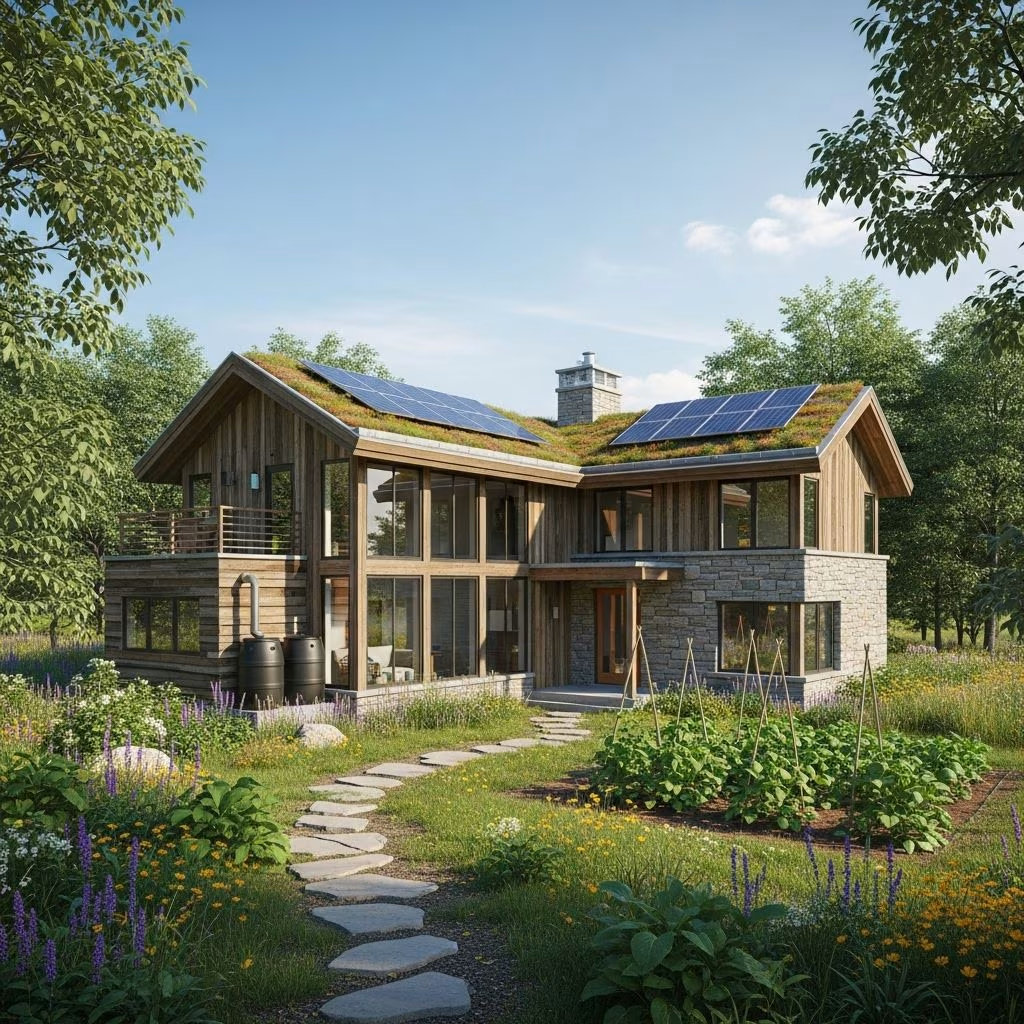
Modern homebuyers increasingly prioritize properties that align with environmental responsibility while delivering financial and health advantages. Eco-friendly homes integrate advanced technologies and thoughtful designs to minimize resource use, cut operational costs, and enhance occupant well-being. These residences leverage renewable energy, superior insulation, and water conservation methods to create self-sustaining living spaces that stand the test of time.
Core Principles of Sustainable Home Design
Sustainable home design rests on foundational strategies that optimize natural resources and reduce waste. **Passive design elements** capture sunlight for natural heating and lighting, while strategic shading prevents overheating in warmer climates. High-performance insulation maintains stable indoor temperatures, slashing reliance on artificial heating and cooling systems.
Builders select materials with low environmental impact, such as reclaimed wood, recycled metals, and fiber panels derived from renewable sources. These choices not only lower the carbon footprint during construction but also ensure durability and resistance to wear.
Energy Optimization Techniques
- Solar Integration: Rooftop panels or shingles generate clean power, often covering a significant portion of household needs and qualifying for incentives.
- Smart Systems: Thermostats, lighting, and appliances adjust automatically to usage patterns, reducing waste by up to 25%.
- LED and Efficient Fixtures: Long-lasting bulbs and appliances consume far less electricity than traditional options.
Advanced Materials for Lasting Efficiency
Choosing the right materials transforms a standard house into an energy-efficient haven. **High R-value insulation**—a measure of thermal resistance—prevents heat loss through walls, roofs, and floors. Materials like wood fiber panels provide natural insulation alongside seismic stability.
Energy-efficient windows with low-emittance coatings block UV rays while allowing light, minimizing heat transfer and glare. Doors with weatherstripping further seal drafts, contributing to overall thermal performance.
| Material Type | Key Benefit | Environmental Impact |
|---|---|---|
| Reclaimed Wood | Superior insulation | Reduces deforestation |
| Recycled Metal | High durability | Lowers mining needs |
| Fiber Panels | Thermal regulation | Renewable sourcing |
| Green Roofing | Stormwater management | Boosts biodiversity |
Water Conservation Innovations
Water scarcity drives the adoption of smart conservation in eco-homes. Low-flow fixtures in bathrooms and kitchens reduce usage without sacrificing functionality. Rainwater harvesting systems collect roof runoff for irrigation and non-potable needs, easing municipal supply demands.
Efficient irrigation, like drip systems, targets plant roots directly, preventing evaporation losses. Greywater recycling from sinks and showers repurposes mildly used water for landscaping, further conserving resources.
Health and Comfort Enhancements
Beyond efficiency, sustainable homes foster healthier environments. Non-toxic materials and improved ventilation lower exposure to pollutants, enhancing indoor air quality. Natural lighting reduces eye strain and boosts mood, while even temperature distribution from radiant heating promotes comfort.
These features correlate with fewer allergies and respiratory issues, creating spaces that support physical well-being. Shared green areas in communities encourage outdoor activity and social bonds.
Financial Advantages of Green Living
Initial investments in sustainable features yield substantial returns. Homeowners report utility savings of 15-30% from efficient appliances and up to $600 yearly from solar setups. Property values rise due to desirability and lower maintenance needs.
Government rebates and tax credits offset upfront costs for solar, insulation upgrades, and certifications like Earth Advantage. Long-term, reduced consumption translates to predictable expenses amid fluctuating energy prices.
Environmental Contributions
Eco-homes play a pivotal role in combating climate change by curbing greenhouse gases. Lower energy demands decrease fossil fuel reliance, while material choices preserve ecosystems. Communities with sustainable housing experience less strain on infrastructure and reduced waste.
Navigating the Purchase Process
Buyers can identify green homes through certifications verifying standards in energy, water, and materials. Look for homes with solar readiness, advanced envelopes like multi-layer walls, and integrated tech.
New constructions often outperform resales in sustainability, incorporating latest innovations. Regions like Oregon showcase builders achieving high certifications across multiple categories.
Retrofitting Existing Properties
Owners of older homes aren’t left behind. Simple upgrades like insulation addition, window replacements, and solar installations boost efficiency. Smart tech retrofits provide monitoring for optimized use.
Future Trends in Green Housing
Emerging technologies promise even greater advancements. Net-zero homes produce as much energy as they consume, while AI-driven systems predict and adjust for occupancy. Biophilic designs blending nature indoors will dominate, enhancing mental health alongside sustainability.
Frequently Asked Questions
What certifications indicate a truly sustainable home?
Look for Earth Advantage, LEED, or Energy Star ratings, which evaluate efficiency, air quality, and resource use.
Do eco-friendly homes cost more upfront?
They may have higher initial prices, but savings on bills and incentives make them cost-effective within years.
How much can solar panels save on electricity?
Systems can offset 30-100% of needs, saving $600+ annually per U.S. Department of Energy data.
Are sustainable features practical in all climates?
Yes, passive designs and adaptable tech perform across regions, from sunny deserts to cold winters.
Can renters benefit from green housing?
Many features like efficient appliances lower shared utility costs; advocacy for building upgrades helps too.
References
- Efficient Home Design — U.S. Department of Energy. 2024. https://www.energy.gov/energysaver/efficient-home-design
- Sustainable Housing Future: Key Features of Eco-Friendly Homes — Hope Village CDC. 2024-12. https://hopevillagecdc.org/2024/12/sustainable-housing-future-key-featureseco-friendly-homes/
- 6 Benefits of Sustainable Homes — Reed’s Crossing. 2022-12. https://www.reedscrossing.com/the-latest/blog/posts-by-date/2022/december/6-benefits-of-sustainable-homes/
- What is Sustainable Housing? — Georgetown Global Real Assets. N/A. https://globalrealassets.georgetown.edu/insight/what-is-sustainable-housing/
- Exploring Sustainable Home Features — Riding Homes. N/A. https://ridinghomes.com/exploring-sustainable-home-features/
- 5 Reasons Why Sustainable Living is the Future of Homeownership — Netze Homes. 2024-10-14. https://netzehomes.com/2024/10/14/5-reasons-why-sustainable-living-is-the-future-of-homeownership/
This article is general information, not personal financial advice. Consider your own situation, or speak with a licensed adviser, before acting on it.


