

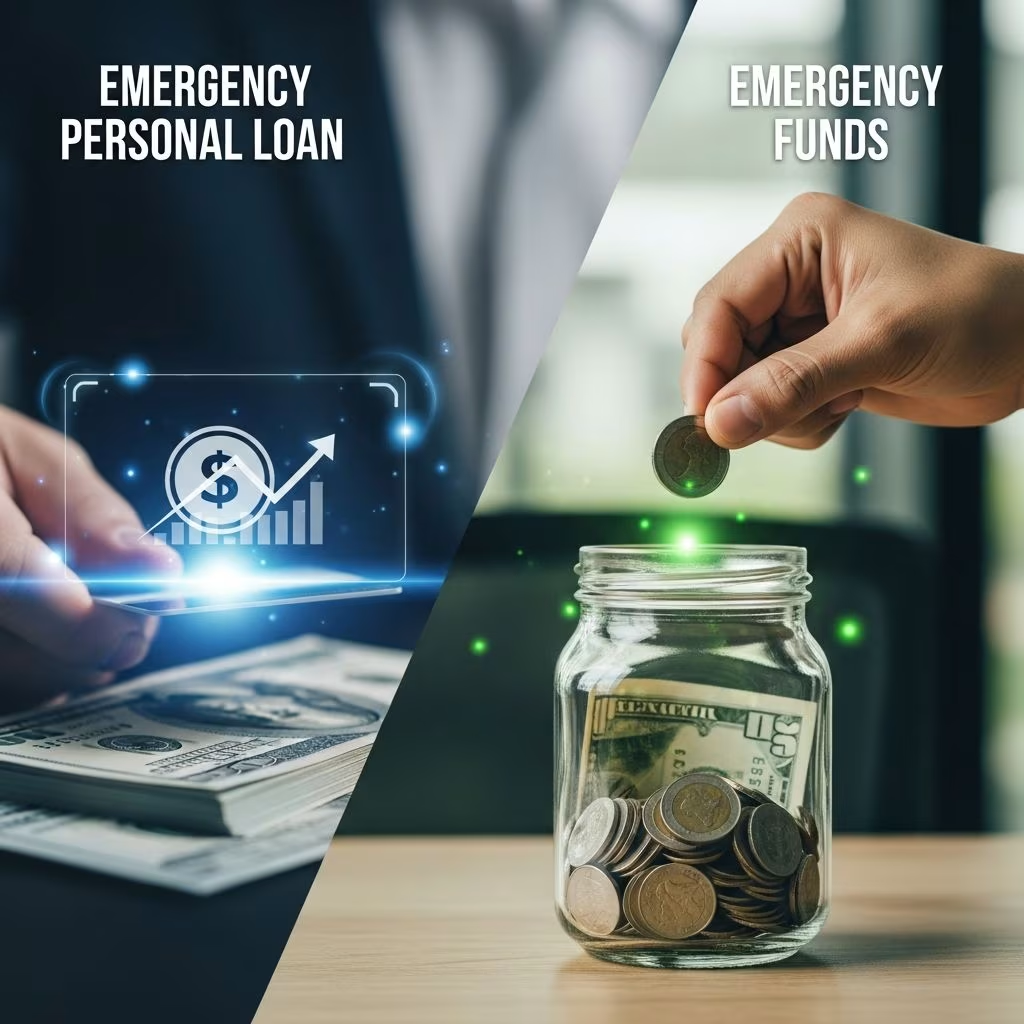
When unexpected expenses arise, such as medical bills, car repairs, or job loss, you face a critical decision: tap into your **emergency fund** or apply for an **emergency personal loan**? Both options provide quick access to cash, but they differ significantly in cost, risk, and long-term impact on your finances. This article breaks down the key differences, advantages, drawbacks, and strategies to help you choose wisely during financial crises.
What is an Emergency Fund?
An **emergency fund** is a dedicated savings account designed to cover unforeseen expenses without resorting to debt. Financial experts recommend maintaining 3 to 6 months’ worth of essential living expenses, such as rent, utilities, groceries, and minimum debt payments, in a high-yield savings account for easy access. This safety net provides peace of mind and prevents reliance on high-interest borrowing during tough times.
The primary purpose of an emergency fund is to act as a financial buffer for true emergencies: sudden medical costs, home repairs, vehicle breakdowns, or income disruptions. By keeping it separate from everyday spending accounts, you reduce the temptation to dip into it for non-essentials. Ideal examples include a $5,000 repair bill or covering bills during a two-week unemployment gap.
Advantages of Using an Emergency Fund
- Immediate Access: Funds are available instantly via transfers or ATM withdrawals, bypassing approval delays.
- No Cost: Avoid interest, fees, or credit checks, saving hundreds or thousands compared to loans.
- Builds Discipline: Promotes financial independence and reduces debt accumulation over time.
- Preserves Credit: No impact on your credit score, keeping borrowing power intact for future needs.
Drawbacks of Using an Emergency Fund
- Depletes Savings: Reduces your safety net, leaving you vulnerable to back-to-back emergencies.
- Replenishment Time: Rebuilding can take months, requiring disciplined budgeting.
- Limited for Large Needs: If expenses exceed your fund, you may still need additional financing.
What is an Emergency Personal Loan?
An **emergency personal loan** is an unsecured loan from banks, credit unions, or online lenders, specifically marketed for urgent needs. These loans typically range from $1,000 to $50,000, with approval based on credit score, income, and debt-to-income ratio. Funds can disburse in 1-3 days, often faster with online platforms. Interest rates vary from 6% for excellent credit to 36% for subprime borrowers, with terms of 12-84 months.
Unlike secured loans, personal loans don’t require collateral, making them accessible but costlier. They’re suitable for car repairs, medical procedures, or moving costs when savings fall short. Always compare APRs (annual percentage rates), which include fees, to find the best deal.
Advantages of an Emergency Personal Loan
- Preserves Savings: Keeps your emergency fund intact for true crises.
- Fixed Payments: Predictable monthly EMIs aid budgeting, unlike variable credit card rates.
- Large Amounts: Access more cash than typical savings allow.
- Builds Credit: On-time payments can improve your score.
- Quick Funding: Many lenders offer same-day approval for qualified applicants.
Drawbacks of an Emergency Personal Loan
- High Costs: Interest and fees inflate the total expense—e.g., a $5,000 loan at 15% APR over 24 months costs $6,200.
- Debt Burden: Adds to monthly obligations, risking default if income drops.
- Approval Risks: Poor credit may lead to denials or high rates; process takes time.
- Credit Impact: Hard inquiries ding your score temporarily; late payments harm it long-term.
Emergency Personal Loan vs Emergency Funds: Side-by-Side Comparison
Choosing between the two depends on your situation. Here’s a detailed comparison table highlighting key factors:
| Factor | Emergency Fund | Emergency Personal Loan |
|---|---|---|
| Speed | Immediate (minutes to hours) | 1-7 days (application + approval) |
| Cost | No interest or fees | 6-36% APR + origination fees |
| Risk | Depletes savings buffer | Increases debt load |
| Amount Available | Limited to what you’ve saved | Up to $50,000+ based on credit |
| Repayment | None required | Fixed EMIs over 12-84 months |
| Credit Impact | None | Hard inquiry; repayment affects score |
| Flexibility | Any use, no restrictions | General purpose, but some lender limits |
This table underscores why emergency funds are preferable for cost and speed, while loans offer scale but at a price.
Factors to Consider When Choosing
No one-size-fits-all solution exists. Evaluate these factors:
- Urgency: For immediate needs like a burst pipe, use savings. Loans suit planned urgencies.
- Savings Level: If your fund covers 100% of the expense, prioritize it.
- Loan Terms: Seek rates under 10% if borrowing; avoid payday loans.
- Income Stability: Ensure you can afford repayments without strain.
- Future Needs: Preserve funds if another emergency looms.
A Balanced Approach: Hybrid Strategy
Sometimes, combine both: Use part of your emergency fund for instant needs and a low-rate loan for the rest. This minimizes savings depletion and debt costs. For example, cover $2,000 from savings and borrow $3,000 at 7% APR. Rebuild savings aggressively post-crisis via automated transfers.
How to Build and Maintain an Emergency Fund
Start small: Aim for $1,000 initially, then scale to 3-6 months’ expenses. Automate $50-100 monthly transfers to a high-yield account (4-5% APY). Cut non-essentials like dining out to accelerate growth. Track progress with apps like Mint. If depleted, treat rebuilding as a top priority, akin to rent.
When to Choose an Emergency Personal Loan
- Your fund is insufficient for the expense.
- You qualify for low rates (<10% APR).
- Repayments fit your budget comfortably.
- Savings must remain for higher-priority risks.
When to Choose Your Emergency Fund
- You have ample savings covering the need.
- Avoiding debt aligns with your goals.
- Instant access is critical.
- Loan rates are unfavorable.
Frequently Asked Questions (FAQs)
What is the ideal size for an emergency fund?
3-6 months of essential expenses, adjusted for job stability and family size.
Can I use a personal loan to build an emergency fund?
Not recommended; interest costs outweigh benefits unless rates are very low and affordable.
How fast can I get an emergency personal loan?
Online lenders often fund in 1-2 days; banks may take longer.
Does using my emergency fund hurt my credit?
No, it’s your money with zero credit implications.
What if both options fail?
Explore credit unions, family aid, or government assistance; avoid high-interest alternatives.
Final Verdict
Prioritize your **emergency fund** as the first line of defense—it’s cheaper and faster. Use **emergency personal loans** only when savings are inadequate and terms are favorable. The best long-term strategy? Build and maintain a robust fund while shopping loans wisely if needed. This dual approach ensures resilience against life’s uncertainties.
References
- Emergency Fund vs. Personal Loan — Fincart. 2024. https://www.fincart.com/blog/emergency-fund-vs-personal-loan/
- Emergency Savings or Personal Loan? — Britannica Money. 2024. https://www.britannica.com/money/using-emergency-savings-emergency-loan
- The Difference Between an Emergency Fund and Emergency Cash — Edvisors. 2024. https://www.edvisors.com/money-management/saving/emergency-fund-vs-emergency-cash/
- Should You Use a Personal Loan as an Emergency Fund? — Experian. 2024-10-15. https://www.experian.com/blogs/ask-experian/should-you-use-personal-loan-as-emergency-fund/
- Pros and Cons of Emergency Loans — Bankrate. 2025-01-10. https://www.bankrate.com/loans/personal-loans/pros-and-cons-of-emergency-loans/
This article is general information, not personal financial advice. Consider your own situation, or speak with a licensed adviser, before acting on it.


