

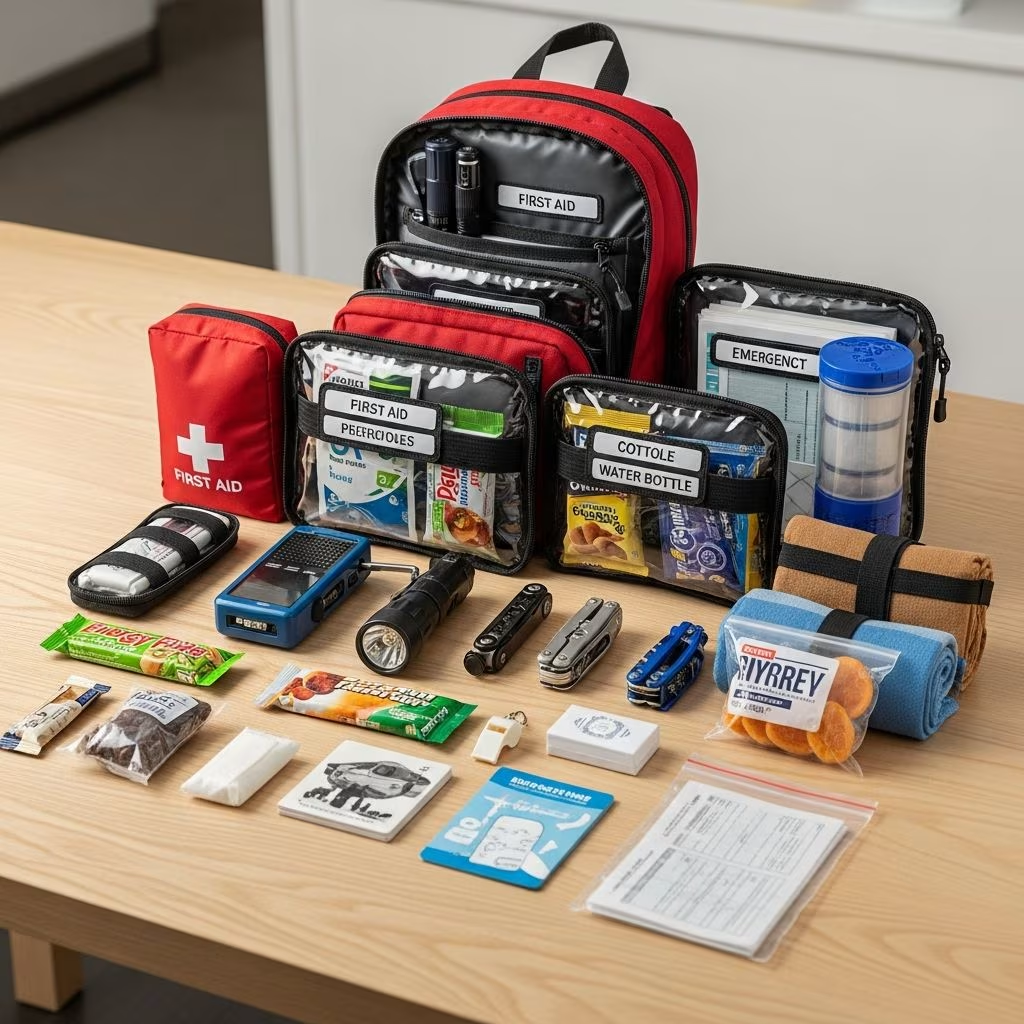
An emergency can strike without warning—whether it’s a natural disaster like a hurricane, earthquake, or flood, or a personal crisis such as a house fire or prolonged power outage. Having a well-stocked emergency preparedness kit is crucial for ensuring your family’s safety and survival during the critical first 72 hours when help may not arrive immediately. This guide walks you through building your own kit from scratch, customizing it for your household’s unique needs, and maintaining it for long-term readiness.
Why You Need an Emergency Kit
In times of crisis, essential services like electricity, water, and communication can be disrupted for days. Official guidelines from agencies like FEMA recommend having supplies to last at least three days per person, though experts suggest planning for up to two weeks in severe scenarios. Your kit should sustain you until rescue or restoration occurs, covering basic needs: water, food, shelter, medical care, and communication. Tailor it to your location—coastal areas might prioritize flood gear, while earthquake-prone regions need tools for structural hazards.
Basic Supplies: Start Here
Begin with the core essentials that form the foundation of any emergency kit. These items address immediate survival needs and are recommended across multiple authoritative sources.
- Water: Store one gallon per person per day for drinking and sanitation, minimum three days’ supply. Use commercially bottled water or sanitize plastic bottles with tap water. For larger families, consider water purification tablets or filters.
- Non-perishable Food: Stock three days’ worth of easy-to-prepare items like energy bars, canned goods, dried fruits, and peanut butter. Choose foods with long shelf lives (up to five years in some kits) and a manual can opener. Include special dietary needs like infant formula or pet food.
- Battery-powered or Hand-crank Radio: Stay informed on weather updates, evacuation orders, and rescue efforts. Pair with extra batteries or a solar charger.
- Flashlight and Extra Batteries: Opt for LED models for efficiency. Hand-crank flashlights eliminate battery dependency.
- First Aid Kit: Assemble with bandages, gauze, antibiotic ointment, pain relievers, tweezers, scissors, and antiseptics. Add prescription meds, glasses, and child-specific items. Label and waterproof everything.
Hygiene and Sanitation Essentials
Prevent illness by maintaining cleanliness when plumbing fails. These items are often overlooked but critical for health during extended outages.
- Moist towelettes, garbage bags, and plastic ties for waste management.
- Toilet paper, soap, hand sanitizer, and feminine supplies.
- Personal hygiene items: toothbrush, toothpaste, shampoo, and deodorant.
- Household bleach for disinfecting water (8 drops per gallon).
Incorporate these into waterproof bags to keep your kit organized and sanitary.
Shelter, Warmth, and Clothing
Protect against exposure, especially if displaced. Include one change of clothing per person: sturdy shoes, warm layers, rain gear, and hats/gloves.
- Emergency blankets (mylar space blankets) for heat retention.
- Tent, tarp, or sleeping bags rated for your climate.
- Duct tape for repairs and improvised shelters.
For vehicles or go-bags, prioritize compact, multi-use items like ponchos.
Important Documents and Cash
Store copies in a waterproof, fireproof container: IDs, passports, birth certificates, insurance policies, bank info, and medical records. Keep $200-500 in small bills, as ATMs may fail. Digital backups on USB drives are ideal.
Tools and Miscellaneous Items
Equip your kit with versatile tools for repairs and signaling.
| Category | Recommended Items | Purpose |
|---|---|---|
| Multi-tools | Knife, pliers, screwdriver, can opener | Repairs, opening packages |
| Signaling | Whistle, mirror | Attract rescuers |
| Fire Starting | Waterproof matches, lighter, firestarter | Cooking, warmth |
| Other | Work gloves, rope, maps, notepad/pen | Protection, navigation |
Customize based on risks: shovels for earthquakes, ax for storms.
Special Considerations for Families
Children and Infants
Pack diapers, formula, bottles, comfort items like stuffed animals, and games/books for morale. Child-sized meds and clothing are musts.
Pets
Include pet food (three days), water bowls, leashes, carriers, vaccination records, and comfort toys. Medications for chronic conditions.
Seniors and Medical Needs
Extra prescriptions (two-week supply), hearing aid batteries, mobility aids, and medical alert info.
Building and Storing Your Kit
Use a waterproof backpack or tub for portability. Divide into sections: 72-hour go-bag for evacuation, home stockpile for sheltering in place. Store in accessible locations: home, car, office. Check and rotate items every six months—replace expired food/water/meds.
Pro Tip: Test your kit with a family drill to ensure usability under stress.
Power and Communication
- Portable charger or solar panel for phones.
- Two-way radios for family coordination.
- Extra phone charger cables.
Establish a family communication plan with out-of-area contacts.
Frequently Asked Questions (FAQs)
Q: How much water do I need per person?
A: At least one gallon per day for three days minimum, covering drinking, cooking, and hygiene.
Q: What’s the shelf life of emergency food?
A: Many kits offer five-year shelf-stable options; rotate homemade supplies annually.
Q: Do I need a separate car kit?
A: Yes, include jumper cables, flares, blankets, and snacks for roadside emergencies.
Q: How often should I update my kit?
A: Every six months, or after use, seasonal changes, or family updates like new pets.
Q: Can I buy pre-made kits?
A: Yes, but customize them—brands like Ready America provide solid bases.
Common Mistakes to Avoid
- Overlooking perishables: Stick to non-perishables; no refrigeration needed.
- Poor organization: Use labeled pouches for quick access.
- Neglecting maintenance: Set calendar reminders for checks.
- One-size-fits-all: Personalize for health issues, pets, location.
By following this blueprint, you’ll create a robust emergency preparedness kit that provides peace of mind. Preparation turns panic into action—start assembling today.
References
- Emergency Kits 101: How to Be Prepared for Anything — SafeWise.com. 2024-05-15. https://www.safewise.com/emergency-kits/
- The 5 Best Emergency Kits — Wise Bread. 2023-11-20. https://www.wisebread.com/the-5-best-emergency-kits
- Stay Prepared: How to Build an Emergency Kit — Tulane School of Professional Advancement. 2024-08-10. https://sopa.tulane.edu/blog/stay-prepared-how-build-emergency-kit
- Micro-Prepping: How to Prepare for Small Disasters — Wise Bread. 2023-07-12. https://www.wisebread.com/micro-prepping-how-to-prepare-for-small-disasters
- 6 Items You Might Have Forgotten in Your Emergency Kit — Wise Bread. 2024-02-28. https://www.wisebread.com/6-items-you-might-have-forgot-in-your-emergency-kit
This article is general information, not personal financial advice. Consider your own situation, or speak with a licensed adviser, before acting on it.


