

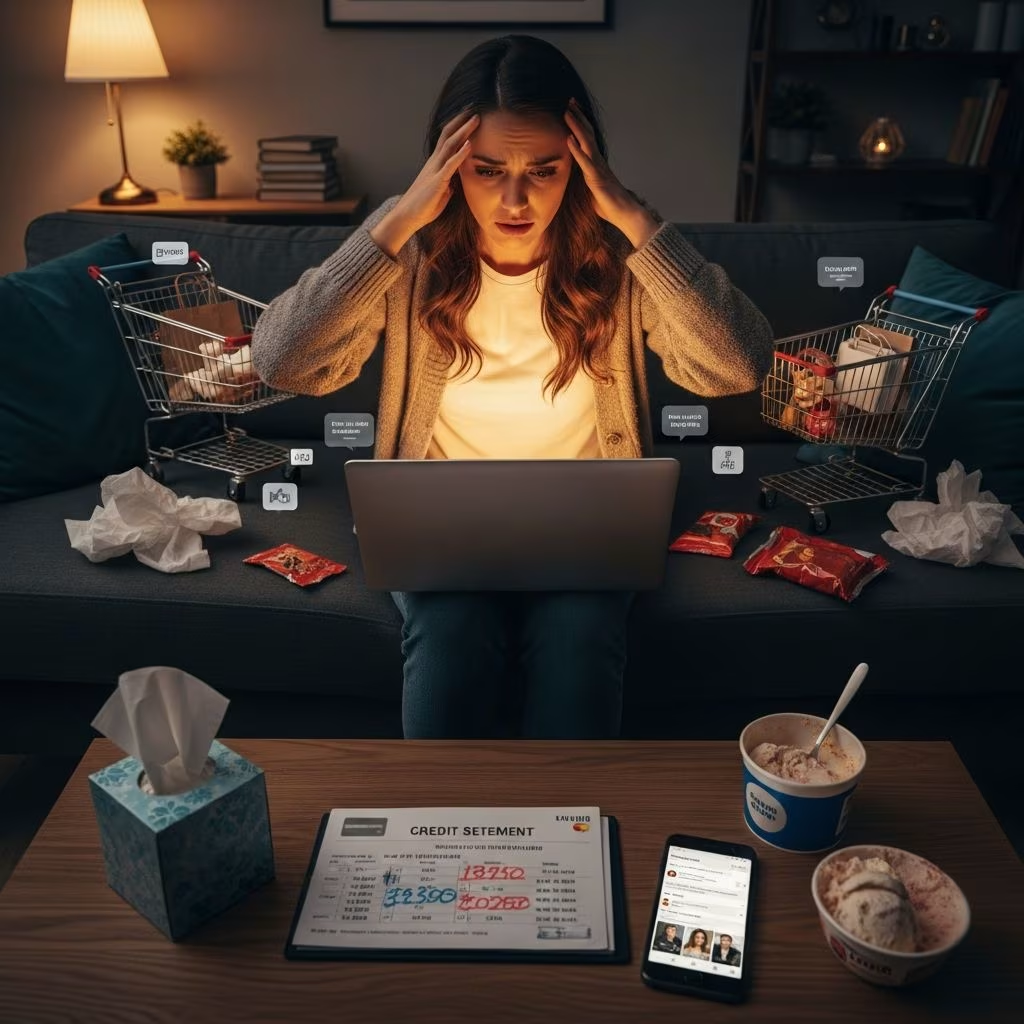
Emotional spending happens when intense feelings like stress, joy, or sadness prompt unplanned purchases that prioritize momentary relief over long-term financial health. This behavior, often called retail therapy, activates brain reward centers but can lead to debt, regret, and stalled goals if not addressed.
The Hidden Triggers Behind Your Shopping Urges
Feelings act as powerful catalysts for spending decisions, overriding rational thought processes. Negative emotions such as anxiety or loneliness push individuals toward buys that offer quick dopamine hits, mimicking the satisfaction of problem-solving.
- Stress and anxiety: During high-pressure periods like job uncertainty, people buy items perceived as essentials to reclaim control.
- Sadness or grief: Losses trigger comfort purchases, from comfort food to gadgets, as temporary distractions.
- Positive highs: Excitement from celebrations leads to splurges, like extravagant gifts, under the guise of reward.
- Social influences: Envy from peers’ displays on social media fuels spending to fit in or impress.
- Boredom or loneliness: Idle moments prompt scrolling and adding to cart for fleeting excitement.
Research indicates that these triggers stem from the brain’s reward system, where acquiring items releases feel-good chemicals, creating a cycle hard to break without awareness.
Why Emotions Override Your Budget
The psychology of emotional spending reveals a deep link between mood and money choices. When emotions peak, the prefrontal cortex—the brain’s rational decision-maker—takes a backseat to the limbic system, which craves instant gratification.
| Emotion Type | Common Spending Response | Brain Mechanism |
|---|---|---|
| Negative (stress, sadness) | Comfort items, takeout | Dopamine release for control |
| Positive (joy, excitement) | Luxuries, celebrations | Reward amplification |
| Social (envy, pressure) | Status symbols | Belonging illusion |
This table illustrates how varied feelings manifest in purchases, often unrelated to actual needs. Studies show stressed consumers spend more on ‘necessities,’ blurring lines between want and need.
Financial Fallout from Feeling-Driven Purchases
Uncontrolled emotional spending erodes savings, balloons debt, and disrupts life plans. It traps people in cycles where short-term highs yield long-term lows, like maxed credit cards or missed savings targets.
- Accumulating high-interest debt from impulse buys.
- Struggling with bill payments due to diverted funds.
- Delayed milestones such as homeownership or retirement.
- Relationship strains from shared financial arguments.
Financial distress compounds emotional issues, fostering guilt that triggers more spending—a vicious loop. Polls reveal widespread participation, with many facing hardship as a result.
Spotting the Red Flags Early
Recognizing patterns is the first defense. Watch for shopping tied to mood swings, post-purchase remorse, or buys beyond means.
- Purchases during emotional peaks or valleys.
- Items rarely used after the thrill fades.
- Hiding buys from loved ones.
- Increasing reliance on credit for non-essentials.
- Neglecting budgets in favor of whims.
These signs signal a shift from intentional to reactive spending. Tracking expenses via apps can reveal correlations between mood logs and outflows.
Practical Tactics to Interrupt the Cycle
Breaking free requires intentional habits that separate feelings from finances. Start with mindfulness to pause before purchase.
- Implement a waiting period: Delay buys for 24-48 hours to test enduring want.
- Create spending categories: Allocate a fixed ‘fun fund’ for emotional outlets.
- Track triggers: Journal emotions alongside transactions for patterns.
- Unsubscribe temptations: Remove marketing emails and app notifications.
- Seek alternatives: Exercise, calls to friends, or hobbies for non-monetary relief.
Setting realistic goals, like monthly limits on discretionary spends, fosters discipline without deprivation.
Building a Bulletproof Financial Mindset
Long-term resilience comes from aligning money with values, not moods. Reframe spending as a tool for goals, not escape.
Practice gratitude for current possessions to curb acquisition urges. Couples can align by discussing finances openly, reducing secret splurges. Professional therapy addresses root causes like anxiety fueling habits.
Real-Life Turnarounds: Success Stories
Many reclaim control through small shifts. One individual curbed post-work shopping by prepping meal kits, saving hundreds monthly. Another used ‘no-spend weekends’ to redirect energy to free activities, rebuilding savings.
These examples show consistency trumps perfection; progress builds momentum.
FAQs on Mastering Emotional Spending
Q: Can emotional spending indicate deeper issues?
A: Yes, frequent patterns may link to anxiety, depression, or compulsive tendencies; consult a professional if it impairs daily life.
Q: How does social media worsen it?
A: Curated lifestyles spark FOMO, prompting buys for validation—curate feeds mindfully.
Q: Is occasional splurging harmful?
A: No, if budgeted; the issue arises from unplanned, unchecked habits.
Q: What’s the role of dopamine here?
A: Purchases trigger dopamine surges, creating addiction-like pulls; balance with sustainable joys.
Q: How to involve family in change?
A: Share goals transparently and celebrate collective wins to build support.
Advanced Strategies for Lifelong Control
For deeper integration, automate savings first, treating it as non-negotiable. Use visualization: picture future benefits of restraint, like debt freedom. Behavioral nudges, such as physical cash limits, curb digital ease.
Monitor credit reports regularly to stay aware of impacts—free weekly checks help spot issues early.
Emotional spending affects millions, but awareness empowers change. By understanding triggers and deploying tools, you protect your wealth and well-being.
References
- Journal of Consumer Psychology Study on Retail Therapy — Journal of Consumer Psychology. 2014. https://www.jcr.org/
- Understanding Emotional Spending — BetterHelp. 2023. https://www.betterhelp.com/advice/stress/impulse-buying-and-money-challenges-understanding-emotional-spending/
- How to Curb Emotional Spending Tip Sheet — University System of Georgia HR (Acentra Health). 2023. https://hr.uga.edu/Current_Employees/Benefits/Well-being/usg_wellbeing_resources/How_to_Curb_Emotional_SpendingTip_Sheet_Acentra_Health.pdf
- Emotional Spending: How to Recognize & Avoid It — PNC Insights. 2024. https://www.pnc.com/insights/personal-finance/spend/avoid-emotional-spending.html
- Money and Mood: How Emotional Spending Affects Your Mental Health — Homewood Health Centre. 2023. https://homewoodhealthcentre.com/articles/money-and-mood/
This article is general information, not personal financial advice. Consider your own situation, or speak with a licensed adviser, before acting on it.


