

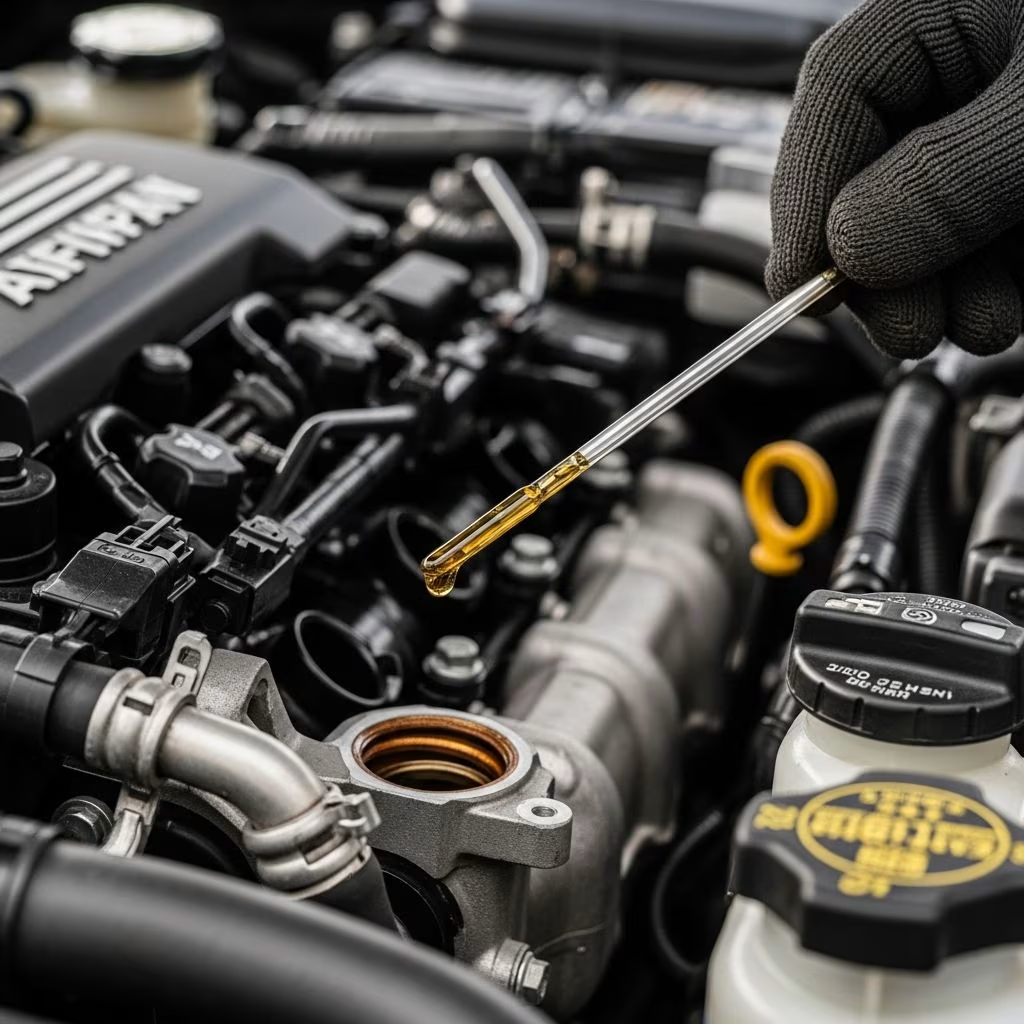
Engine oil is vital for protecting your vehicle’s engine from wear, reducing friction, and maintaining optimal operating temperatures. Selecting the appropriate type ensures longevity and efficiency. Always consult your owner’s manual for specific recommendations.
Primary Categories of Engine Oil
Engine oils fall into four main categories, each suited to different driving conditions and vehicle ages. Understanding these helps match oil to your needs.
- Conventional Oil: Derived from refined crude oil, this basic option suits standard driving in moderate climates. It provides essential lubrication at a lower cost but breaks down faster under extreme conditions.
- Full Synthetic Oil: Lab-engineered for superior performance, it offers uniform molecules that resist breakdown, excel in high and low temperatures, and include advanced additives for cleaning and protection.
- Synthetic Blend Oil: Combines conventional and synthetic bases for balanced protection at a mid-range price. It improves on conventional oil’s oxidation resistance and cold-weather flow.
- High-Mileage Oil: Designed for vehicles over 75,000 miles, featuring seal conditioners to reduce leaks, anti-sludge agents, and friction modifiers for aging engines.
Deciphering Viscosity Grades
Viscosity measures oil’s thickness and flow. Ratings like 5W-30 indicate performance: the ‘W’ number (e.g., 5W) shows cold-start flow, while the second (e.g., 30) reflects hot operating thickness. Lower first numbers aid cold starts; higher seconds suit hotter climates.
| Grade | Cold Flow (‘W’) | Hot Viscosity | Best For |
|---|---|---|---|
| 0W-20 | Excellent cold flow | Light protection | Newer engines, cold climates |
| 5W-30 | Good cold flow | Balanced protection | Most modern vehicles |
| 10W-40 | Fair cold flow | Heavy protection | Older engines, hot climates |
Newer cars often require thinner oils like 0W-20 for fuel efficiency and reduced friction.
Factors Influencing Oil Selection
Vehicle Age and Mileage
For low-mileage newer cars, synthetic oils maximize protection. High-mileage formulas benefit older engines by addressing leaks and deposits.
Climate Considerations
In cold areas, prioritize low ‘W’ ratings for quick flow during startups. Hot regions need higher post-W numbers to prevent thinning.
Driving Conditions
Frequent towing, stop-and-go traffic, or off-road use demands synthetics for heat resistance. Everyday commuting works with conventional or blends.
API and ILSAC Standards Explained
Beyond type and grade, look for API (American Petroleum Institute) SN/SP or ILSAC GF-6 certifications on bottles. These ensure the oil meets modern engine demands for fuel economy, emission control, and wear protection.
Step-by-Step Guide to Checking Your Oil Needs
- Locate your owner’s manual or manufacturer’s website for exact specs.
- Identify required viscosity (e.g., SAE 5W-30) and type (synthetic preferred).
- Check mileage threshold for high-mileage variants.
- Consider local climate and habits.
- Verify certifications like API SP.
Many automakers specify synthetics for warranty compliance.
Oil Change Intervals by Type
| Oil Type | Typical Interval (Miles) | Notes |
|---|---|---|
| Conventional | 3,000-5,000 | Shorter in severe conditions |
| Synthetic Blend | 5,000-7,500 | Better longevity |
| Full Synthetic | 7,500-15,000 | Monitor via oil life sensors |
| High-Mileage | 5,000-10,000 | Depends on base type |
Advanced vehicles use oil life monitors; otherwise, adhere to manual guidelines.
Benefits of Choosing the Right Oil
- Reduced engine wear and extended life.
- Improved fuel efficiency with proper viscosity.
- Better cold starts and thermal stability.
- Minimized deposits and emissions.
Common Mistakes to Avoid
Using incorrect viscosity can cause poor lubrication or overheating. Ignoring manual specs risks warranty voidance. Overlooking high-mileage needs accelerates wear in older cars.
FAQs
What is the most common engine oil type?
5W-30 synthetic or conventional suits most vehicles today.
Is synthetic oil always better?
It excels in performance but check your manual; not always required.
How do I know if my car needs high-mileage oil?
Yes, if over 75,000 miles, to combat leaks and sludge.
Can I switch oil types?
Usually yes, if viscosity and specs match; no flush needed.
What does ‘W’ in oil grades mean?
‘Winter’ – indicates low-temperature viscosity.
Maintenance Tips for Longevity
Regular changes, level checks, and using quality filters complement good oil choice. Track service history for optimal results.
References
- Car Maintenance Tips: Different Types of Engine Oil Explained — Subaru Concord. 2023-03-01. https://www.subaruconcord.com/blog/2023/march/1/car-maintenance-tips-different-types-of-engine-oil-explained.htm
- The Different Types of Motor Oil — AutoZone. N/A. https://www.autozone.com/diy/motor-oil/different-types-of-motor-oil
- Synthetic Oil vs. Blends And Conventional Oil — Pennzoil. N/A. https://www.pennzoil.com/en_us/education/know-your-oil/types-of-motor-oil-and-recommended-use.html
- Car Oil Types Explained: SAE, Viscosity, and Oil Grades — Tires Plus. N/A. https://www.tiresplus.com/blog/oil-change/engine-oil-types-explained/
- What Does 5W-30 Mean? Engine Oil Grades Explained — US Lube. 2023-02. https://www.uslube.com/resources/engine-oil-grades-explained/
- Everything You Need to Know about Different Oil Types — Car and Driver. N/A. https://www.caranddriver.com/research/a61230923/oil-types-explained/
This article is general information, not personal financial advice. Consider your own situation, or speak with a licensed adviser, before acting on it.


