

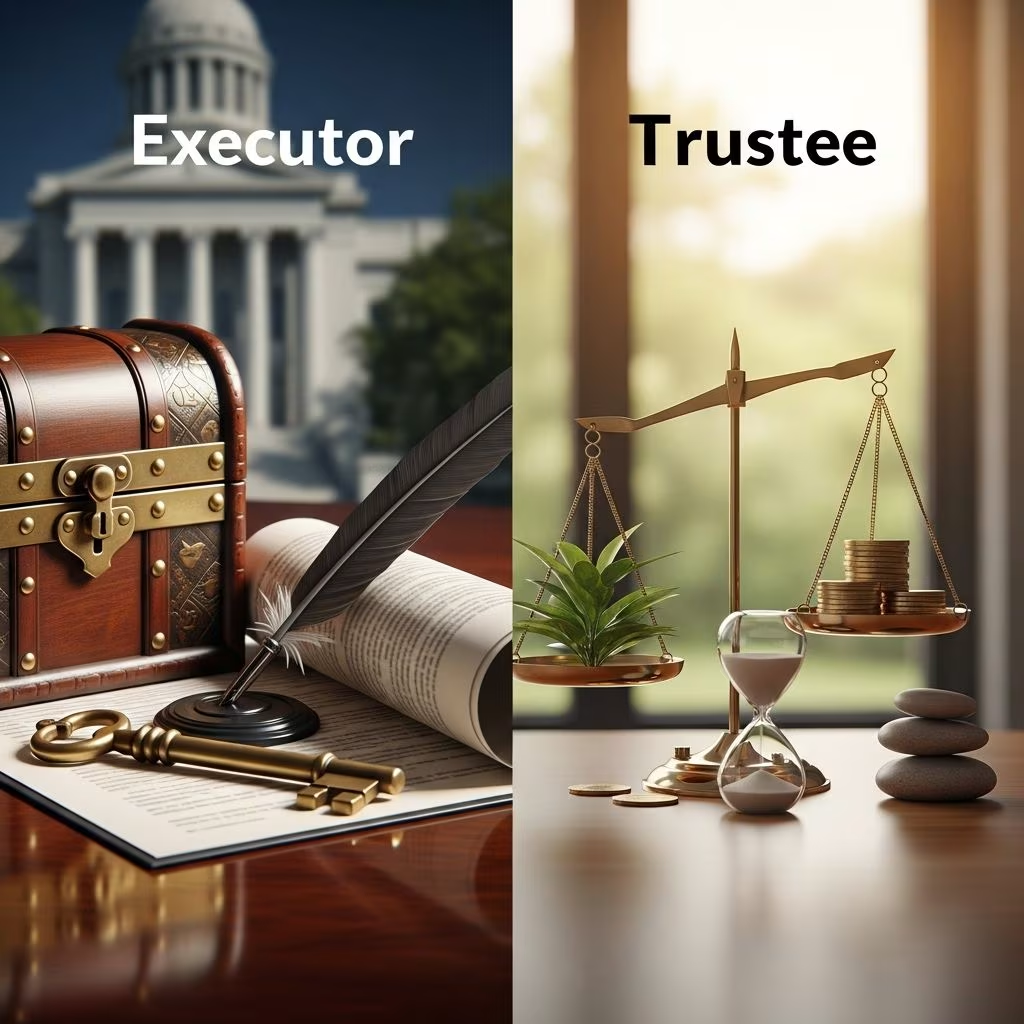
In the realm of estate planning, selecting the right individuals to carry out your final wishes is crucial. An **executor** and a **trustee** serve vital yet distinct functions, often working in tandem to manage and distribute assets after death. While both roles demand fiduciary responsibility, their scopes, timelines, and legal frameworks differ significantly. This article delves into these roles, their responsibilities, selection criteria, and how they interact within a comprehensive estate strategy.
Defining the Core Roles in Estate Administration
An executor is the designated representative named in a last will and testament to administer the deceased’s probate estate. This role activates upon death and involves navigating the court-supervised probate process to settle debts, pay taxes, and transfer assets to heirs as specified in the will.
In contrast, a trustee is appointed through a trust agreement to manage and safeguard trust assets for the benefit of designated beneficiaries. Trustees operate outside probate, focusing on long-term asset preservation, investment, and controlled distributions according to the trust’s terms.
| Aspect | Executor | Trustee |
|---|---|---|
| Governing Document | Will | Trust Agreement |
| Primary Focus | Probate estate settlement | Trust asset management |
| Duration | Months to 1-2 years | Years or lifetime of trust |
| Court Oversight | High (probate court) | Low to none |
| Fiduciary Duty | To estate and heirs | To beneficiaries |
Detailed Responsibilities of an Executor
Executors shoulder immediate post-death tasks, ensuring the estate is liquidated orderly. Key duties include:
- Probate Initiation: Filing the will with the probate court, obtaining letters testamentary for legal authority, and notifying heirs, beneficiaries, creditors, and relevant institutions.
- Asset Inventory: Identifying, securing, and appraising all probate assets, including real estate, bank accounts, investments, and personal property. This may involve accessing safe deposit boxes or digital assets.
- Debt and Tax Management: Paying valid creditor claims from estate funds, filing final income tax returns, estate tax returns (if applicable), and settling IRS obligations.
- Distribution: Transferring remaining assets to legatees per the will’s instructions, often after court approval.
The executor’s tenure typically concludes once assets are distributed and the court discharges them, a process spanning 6-18 months depending on estate complexity and disputes. Executors must maintain meticulous records, as they can face personal liability for mismanagement.
Comprehensive Duties of a Trustee
Trustees manage assets held in trust, which bypass probate for efficiency and privacy. Their ongoing obligations encompass:
- Asset Management: Investing prudently, preserving principal, allocating income versus principal, and adapting to market changes while adhering to the trust’s prudent investor rule.
- Beneficiary Communications: Providing accountings, responding to inquiries, and making distributions as stipulated—such as periodic income payments or lump sums upon milestones.
- Administrative Tasks: Filing trust tax returns (often requiring a separate EIN), paying trust expenses, and coordinating with professionals like accountants or attorneys.
- Long-Term Oversight: Handling scenarios like beneficiary incapacity, creditor claims against the trust, or trust amendments if permitted.
Unlike executors, trustees may serve for decades, especially in trusts for minors, special needs individuals, or spendthrift protection. Their role ends only when the trust terminates—e.g., all assets distributed or term expires.
When Roles Overlap or Collaborate
In sophisticated estate plans, executors and trustees often interact. For instance, a pour-over will directs probate assets into a trust, requiring the executor to transfer them to the trustee post-settlement. Trustees might assist executors by valuing trust assets within the estate or contributing to debt payments.
One person can serve dually if named in both documents, streamlining administration but amplifying workload. Professional fiduciaries, like banks or trust companies, frequently fill these roles for impartiality in complex cases.
Qualities to Seek When Appointing Fiduciaries
Choosing an executor or trustee is pivotal; poor selections lead to delays, litigation, or asset depletion. Ideal candidates exhibit:
- Organizational prowess and attention to detail for record-keeping and deadlines.
- Financial literacy for investments, taxes, and valuations.
- Impartiality to avoid beneficiary conflicts.
- Availability and proximity, especially for executors handling physical assets.
- Willingness to serve, as roles are time-intensive and unpaid unless compensated per document terms.
Consider naming alternates (successors) to cover incapacity or declination. For enduring trusts, corporate trustees offer continuity.
Legal and Financial Implications of Each Role
Both positions carry fiduciary duties: loyalty, care, impartiality, and full disclosure. Breaches invite lawsuits, surcharge (personal repayment), or removal. Executors face probate publicity and fees (2-5% of estate value typically), while trustees deal with ongoing compliance costs deducted from trust assets.
Compensation varies: Executors often receive statutory percentages or reasonable fees; trustees get specified rates, often 1% of assets annually. State laws govern, e.g., Uniform Probate Code influences many jurisdictions.
Strategies for Effective Estate Planning Integration
To optimize, pair wills with revocable living trusts: The will handles residue via pour-over, minimizing probate. Irrevocable trusts for tax or asset protection activate trustees earlier. Review designations periodically, especially post-life events like divorce or births.
Consult estate attorneys to tailor plans, ensuring compliance with state-specific probate thresholds and trust laws. Digital estate planning—naming access to online accounts—further aids executors.
Frequently Asked Questions (FAQs)
Can the same person be both executor and trustee?
Yes, a single individual or institution can hold both roles, provided named in respective documents. This simplifies coordination but demands robust capabilities.
How long does an executor’s role last?
Typically 6-24 months, varying by estate size, disputes, and court backlog.
Does a trustee go through probate?
No, trusts avoid probate, allowing faster, private asset transfer.
Who pays for executor or trustee services?
Fees come from estate or trust assets; professionals charge standard rates.
What if there’s no will or trust?
State intestacy laws appoint an administrator (similar to executor), distributing to heirs by default.
Potential Pitfalls and Mitigation Tips
Common issues include family disputes, undervalued assets, or tax oversights. Mitigate by:
- Providing clear, detailed documents.
- Pre-funding trusts to reduce probate.
- Selecting co-fiduciaries for checks and balances.
- Obtaining bonds for protection against misconduct.
Regular plan updates ensure alignment with evolving needs.
References
- What Is the Difference Between an Executor and Trustee? — Experian. 2023-05-15. https://www.experian.com/blogs/ask-experian/difference-between-executor-and-trustee/
- The Difference Between Executor, Trustee & Guardian — E.A. Goodman Law. 2022-08-10. https://www.eagoodmanlaw.com/practice-areas/executors-trustees-and-guardians-know-the-difference/
- Trustee vs. executor: What’s the difference? — Fidelity Investments. 2024-02-20. https://www.fidelity.com/learning-center/wealth-management-insights/trustee-vs-executor/
- The Difference Between a Trustee, Guardian and Executor — City National Bank. 2023-11-05. https://www.cnb.com/personal-banking/insights/trustee-guardian-executor-meanings.html
- What to Know When Serving as an Executor vs Trustee — MAI Capital Management. 2024-01-12. https://mai.capital/resources/what-to-know-when-serving-as-an-executor-vs-trustee/
This article is general information, not personal financial advice. Consider your own situation, or speak with a licensed adviser, before acting on it.


