

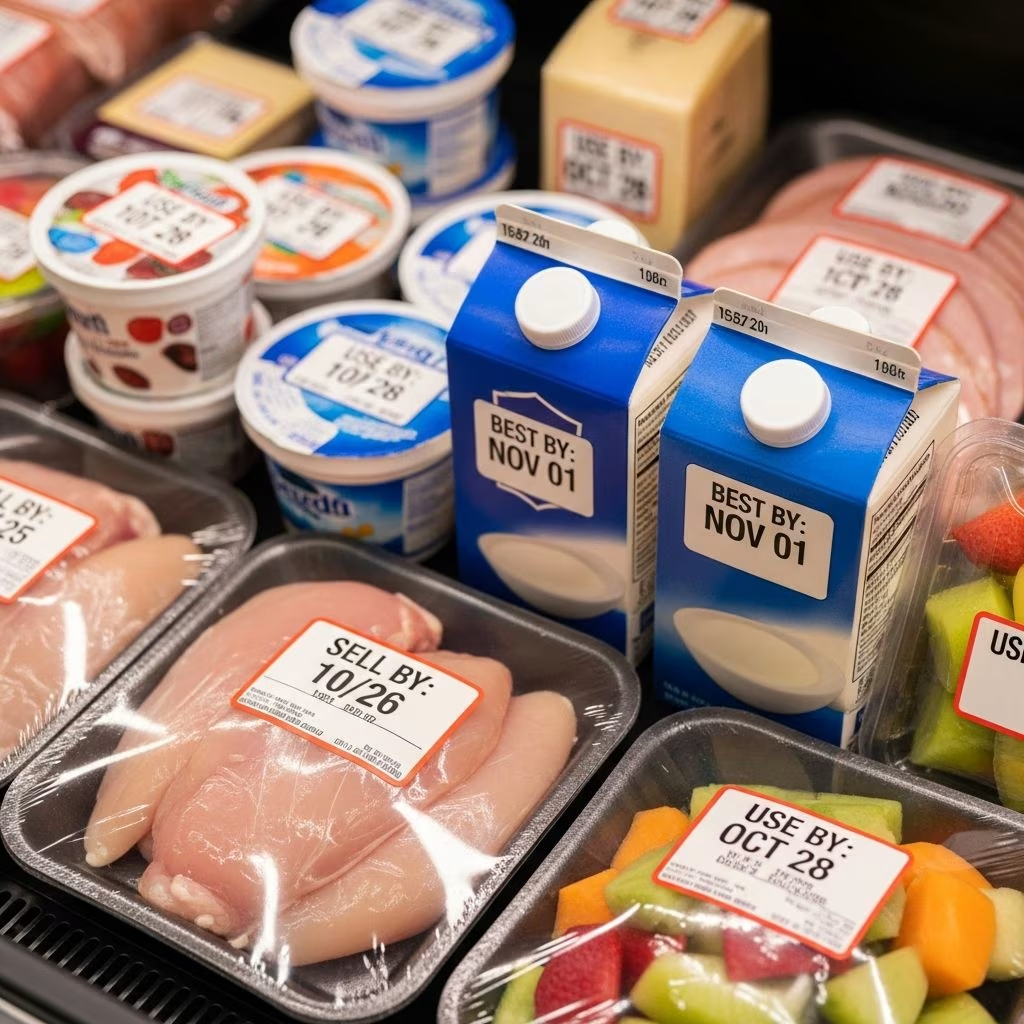
Every trip to the grocery store confronts you with a maze of dates stamped on food packages: “Sell-By,” “Best If Used By,” “Use-By.” These labels spark confusion, leading to billions in annual food waste. In reality, most dates signal quality, not safety, helping you stretch your budget while keeping meals safe.
This comprehensive guide breaks down food dating terms, their legal status, safety rules, and practical tips to minimize waste. You’ll learn to interpret labels confidently, store food longer, and save hundreds yearly on groceries.
Food Dating Is Not Federally Regulated (Except for a Few Items)
U.S. federal law does not require date labels on most packaged foods. Manufacturers apply them voluntarily to indicate peak quality. The exceptions? Infant formula and some baby foods must carry a “use-by” date under FDA rules to ensure nutritional integrity.
For meat, poultry, and eggs under USDA oversight, dates are optional but must not mislead consumers. State laws vary—some mandate egg carton dates, but nationwide consistency is absent. This patchwork creates confusion, with surveys showing 80% of Americans toss food prematurely due to date misunderstandings.
Coded dates (numbers/letters like “JUL24126”) are for manufacturers only—no universal decoder exists. They track production, not consumer use.
The 4 Main Types of Food Dates Explained
Understanding these distinctions empowers smarter shopping. Here’s each type, decoded:
- Sell-By Date: Guides retailers on display duration. Buy before it passes for best home quality. Product remains safe days or weeks after if refrigerated properly. Common on milk, eggs, meat.
- Best If Used By (or Before): Manufacturer’s quality peak. Flavor, texture may decline post-date, but safety persists with proper storage. Applies to canned goods, snacks, dry items.
- Use-By Date: Last recommended use for optimal quality. Not absolute safety cutoff—many foods safe beyond if unspoiled. Prevalent on perishables like yogurt, deli meat.
- Expiration Date: Rare; discard after. Legally required only for infant formula. Signals true safety/nutritional limit.
| Date Type | Purpose | Safety After Date? | Common Foods |
|---|---|---|---|
| Sell-By | Retail display guide | Yes, if stored right | Milk, eggs, poultry |
| Best If Used By | Peak quality | Yes | Canned, boxed, snacks |
| Use-By | Recommended last use | Often yes | Ready-to-eat, dairy |
| Expiration | Safety/nutrition cutoff | No | Infant formula |
Sell-By Dates: Primarily for Stores, Not You
“Sell-By” is retail-focused—the last day stores should offer the item for peak appeal. It assumes you’ll use it within days post-purchase. Milk with a sell-by tomorrow? Often fine for a week in your fridge at 40°F or below.
Don’t auto-toss at sell-by. Check senses: smell, sight, texture. No off odors, mold, sliminess? Likely safe. This mindset shift alone cuts household waste by 20-30%.
Best By vs. Use-By: Quality, Not Poison
Both emphasize flavor/texture prime time. “Best If Used By” suits shelf-stable items; crackers past date might stale but won’t sicken. “Use-By” targets perishables—deli meat a day over? Cook thoroughly for safety.
UGA food safety experts note: Post-date changes are aesthetic, not hazardous if stored correctly. Freeze by use-by to extend life indefinitely.
What About Canned Goods and Codes?
Canned foods are safe indefinitely if undamaged—no bulging, leaks, rust. “Best by” dates predict quality (2-5 years typical). Can codes (e.g., “K8”) mark packing; ignore for home use.
Post-date cans: Inspect, then taste a bit. Safe bets for pantries, slashing grocery bills.
Eggs and Dairy: State Rules Vary
Egg cartons often show sell-by or expiration (EXP, 30 days post-pack). Federal rules absent, but states like Texas require them. Post-date eggs: Fridge test—sinkers are fresh; floaters gone. Dairy mirrors: Milk safe 5-7 days past sell-by if cold.
Infant Formula: The True Expiration
FDA mandates use-by on formula. Post-date risks nutrient loss, separation—discard uneaten opened cans promptly. No exceptions for babies.
How Long Is Food Good After the Date?
Storage trumps dates. USDA charts guide:
- Bacon: 7 days post-sell-by (fridge)
- Ground beef: 1-2 days
- Milk: 7 days
- Eggs: 3-5 weeks
- Canned: Indefinite (quality 2-5 years)
Always: 40°F fridge, sniff/test. Power outage? Use within 4 hours.
5 Signs Food Has Actually Gone Bad (Use Your Senses)
- Sight: Mold, discoloration, sliminess.
- Smell: Sour, rancid, ammonia odors.
- Texture: Mushy, gritty, separation.
- Taste: Off-flavor (spit if unsure).
- Sound: Cans hissing on open.
When unsure, toss. Risk low, but foodborne illness hits 48 million yearly.
Food Storage Tips to Extend Shelf Life
Maximize dates:
- First in, first out (FIFO) rotation.
- Fridge zones: Meat bottom, produce crisper.
- Freeze ASAP: Label with date.
- Tight seals on opened items.
- Avoid door storage (temp swings).
Apps like Fridgify track inventory, expiry.
The Massive Cost of Food Waste—and How to Fix It
U.S. households waste $1,500+ yearly on tossed food. Dates cause 40% premature discards. Solutions:
- Shop sales near dates.
- Donate unopened past-best-by.
- Compost scraps.
- Meal plan around fridge contents.
Bonus: Apps like Too Good To Go buy discounted near-date food cheap.
Frequently Asked Questions (FAQs)
Is it safe to eat food past its sell-by date?
Yes, usually. Sell-by guides stores; check senses and store properly.
What’s the difference between use-by and best-by?
Use-by: Peak quality for perishables. Best-by: Quality for stable goods. Neither safety dates.
Can I freeze food past its use-by date?
Yes, freezing halts spoilage. Thaw safely, use senses.
Do canned foods expire?
Safe indefinitely undamaged; quality fades after 2-5 years.
Why no standard dates in the US?
Voluntary except formula; calls for standardization grow.
Take Control: Shop, Store, Save Smarter
Master dates, slash waste, boost savings. Prioritize senses over stamps—your wallet (and planet) thanks you.
References
- Food Product Dating Guidance Document — Texas Department of State Health Services. 2018-03-08. https://www.dshs.texas.gov/sites/default/files/foodestablishments/pdf/GuidanceDocs/Food-Product-Dating.pdf
- Expiration, Use-By and Sell-By Dates: What Do They Really Mean? — UConn Extension. 2019-10-30. https://publications.extension.uconn.edu/2019/10/30/expiration-use-by-and-sell-by-dates-what-do-they-really-mean/
- Understanding Expiration Dates — Anne Arundel County Food Bank. N/A. https://aafoodbank.org/understanding-expiration-dates/
- Understanding Expiration Dates: How Do I Know When My Food’s Gone Bad? — American Heart Association. N/A. https://www.heart.org/en/healthy-living/healthy-eating/cooking-skills/storing/understanding-expiration-dates-how-do-i-know-when-my-foods-gone-bad
- Best by vs. sell by: UGA food safety expert explains expiration dates — University of Georgia CAES Field Report. N/A. https://fieldreport.caes.uga.edu/news/best-by-vs-sell-by-uga-food-safety-expert-explains-expiration-dates/
This article is general information, not personal financial advice. Consider your own situation, or speak with a licensed adviser, before acting on it.


