

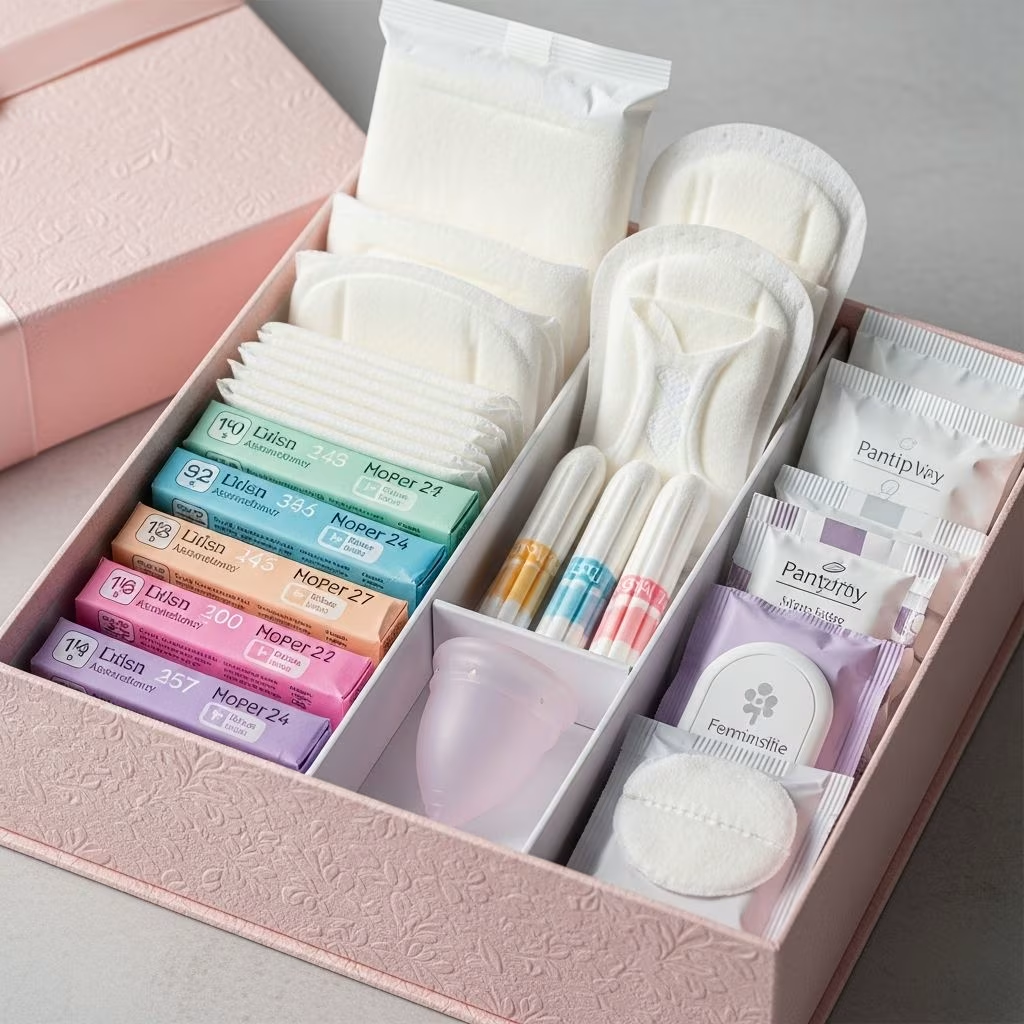
Managing menstrual cycles can be expensive, with American women spending around $120-$168 annually on disposable pads and tampons. Over a lifetime, this adds up to thousands of dollars. But there are numerous ways to access free feminine hygiene products, from nonprofit distributions to product samples and sustainable reusables. This guide covers all options, helping you save money while addressing period poverty.
Why Free Feminine Hygiene Products Matter
Period poverty affects millions, forcing choices between sanitary products and essentials like food. Nonprofits report distributing hundreds of thousands of items annually to shelters, schools, and low-income communities. Reusables like menstrual cups can save $100 per year and last up to 10 years, reducing landfill waste from over 11,000 disposables per woman lifetime.
Government policies are evolving, with states like New York and Colorado mandating free products in prisons and public facilities. Community drives and apps make free items accessible everywhere.
Nonprofits and Community Programs for Free Products
Organizations collect and distribute tampons, pads, liners, and more at no cost. Here’s how to get involved or access them:
- Helping Women Period: Michigan-based nonprofit donated 193,319 tampons, 344,279 pads, 81,728 liners, and 59,972 bladder pads in 2021. They supply schools, shelters, and pantries, focusing on BIPOC, gender-diverse, and unhoused individuals. Contact for local distribution or volunteer to sort products.
- Local Period Pantries: Many food banks and shelters offer “period product pantries.” Search community centers or libraries for free bins stocked with donations.
- School and Workplace Drives: High schools and offices often run tampon/pad drives. Advocate for free dispensers in public restrooms.
Pro tip: Donate unused products to sustain these programs—$40 covers one person’s needs for a year.
Government and Institutional Sources
Public facilities increasingly provide free access:
- Public Restrooms: States like New York require free products in schools and prisons. Check local laws for libraries, parks, and transit hubs.
- Correctional Facilities: Federal First Step Act (2018) mandates appropriate quantities in prisons. States like Colorado fund tampons in budgets.
- Food Assistance Programs: SNAP-eligible families may access hygiene kits via WIC or TANF extensions in some areas.
In prisons, inadequate supply leads to health risks like toxic shock syndrome from extended tampon use. Policies often overlook menstrual needs despite providing razors and soap.
Free Samples and Promotions
Brands send free tampons and pads—just pay shipping (often $5 or less):
- Sample Sites: PinchMe, Freeflys, and BzzAgent offer menstrual samples via sign-ups.
- Drugstore Deals: Use apps like Ibotta for rebates making products free after coupons. Buy-one-get-one sales at CVS/Walgreens yield extras for donation.
- Doctor’s Offices: OB-GYNs provide free samples of new brands.
| Method | Cost | Items Typically Free |
|---|---|---|
| Online Samples | Shipping only | Pads, tampons, liners |
| Coupon Apps | $0 after rebate | Full packs |
| Nonprofits | Free | Bulk tampons/pads |
Reusable Alternatives: The Ultimate Free Long-Term Solution
Switch to reusables for zero ongoing costs. Penny Hoarders love these for savings and eco-benefits.
Menstrual Cups
Silicone cups collect blood for 12 hours, lasting 10 years. Initial cost: $20-$50, saving $100/year vs. disposables. Safe when cleaned properly; reduces plastic waste by 150kg lifetime.
- Brands: DivaCup, Lunette
- Tips: Boil between cycles; trim stem for comfort.
Cloth Pads and Period Underwear
Washable pads and underwear absorb like disposables. Sets cost $20-$40, reusable 5+ years. Nonprofits like Helping Women Period demo “petting zoos” with varieties.
- Pros: Soft, leak-proof; no chemicals.
- Care: Machine-wash cold; air-dry.
Other Reusables
Menstrual discs, period swimwear for active lifestyles. Ideal for long hours without bathroom access.
Financial breakdown:
| Product | Upfront Cost | Annual Savings | Lifespan |
|---|---|---|---|
| Menstrual Cup | $30 | $100 | 10 years |
| Cloth Pads (set) | $25 | $120 | 5 years |
| Disposable Pads | $120/year | – | Disposable |
Apps and Online Tools for Freebies
Tech makes hunting easy:
- Period Tracker Apps: Clue, Flo partner with brands for samples.
- Coupon Apps: Coupons.com, RetailMeNot for digital deals.
- Community Facebook Groups: “Free Samples” groups trade extras.
Advocacy and DIY Tips
Push for change: Petition schools for free dispensers. DIY cloth pads from old t-shirts save even more. Educate on reusables to destigmatize menstruation.
Frequently Asked Questions (FAQs)
Where can I find free tampons and pads near me?
Check nonprofits like Helping Women Period, food pantries, or public restrooms in progressive states. Apps like 211 connect to local aid.
Are menstrual cups safe and free to obtain?
Yes, safe for most; some nonprofits offer free trials. They save money long-term vs. disposables.
How do I get free samples without paying full price?
Sign up on sample sites or use drugstore coupons/rebates for effectively free products.
What about reusables for heavy flow?
Layer cloth pads or use high-capacity cups/discs. Test via nonprofit petting zoos.
Is period poverty real in the US?
Yes, exacerbated by COVID supply issues. Nonprofits saw demand surge despite barriers.
Conclusion: Empower Yourself with Free Options
From free nonprofit distributions to life-saving reusables, options abound to eliminate menstrual costs. Start with local pantries, switch to cups, and advocate for policy changes. Save thousands while helping the planet and others.
(Word count: 1624)
References
- 2021 Impact Report — Helping Women Period. 2022-08. https://www.helpingwomenperiod.org/wp-content/uploads/2022/08/2021-Impact-Report.pdf
- Menstrual Product Deprivation in Prison: A Sex-Neutral Litigation Strategy — University of Chicago Legal Forum. 2023. https://legal-forum.uchicago.edu/print-archive/menstrual-product-deprivation-prison-sex-neutral-litigation-strategy
- Menstrual hygiene is costly for people and the planet. But it doesn’t have to be — Upworthy. 2023. https://www.upworthy.com/menstrual-hygiene-is-costly-for-people-and-the-planet-but-it-doesn-t-have-to-be
- Buy Sanitary Supplies Or Feed Your Family? Greener Alternatives To Disposables — YouTube (Transcript). 2023. https://www.youtube.com/watch?v=Biy19z4IDXE
- First Step Act of 2018 — U.S. Congress (via Bureau of Prisons policy). 2018. https://www.congress.gov/bill/115th-congress/senate-bill/756
This article is general information, not personal financial advice. Consider your own situation, or speak with a licensed adviser, before acting on it.


