

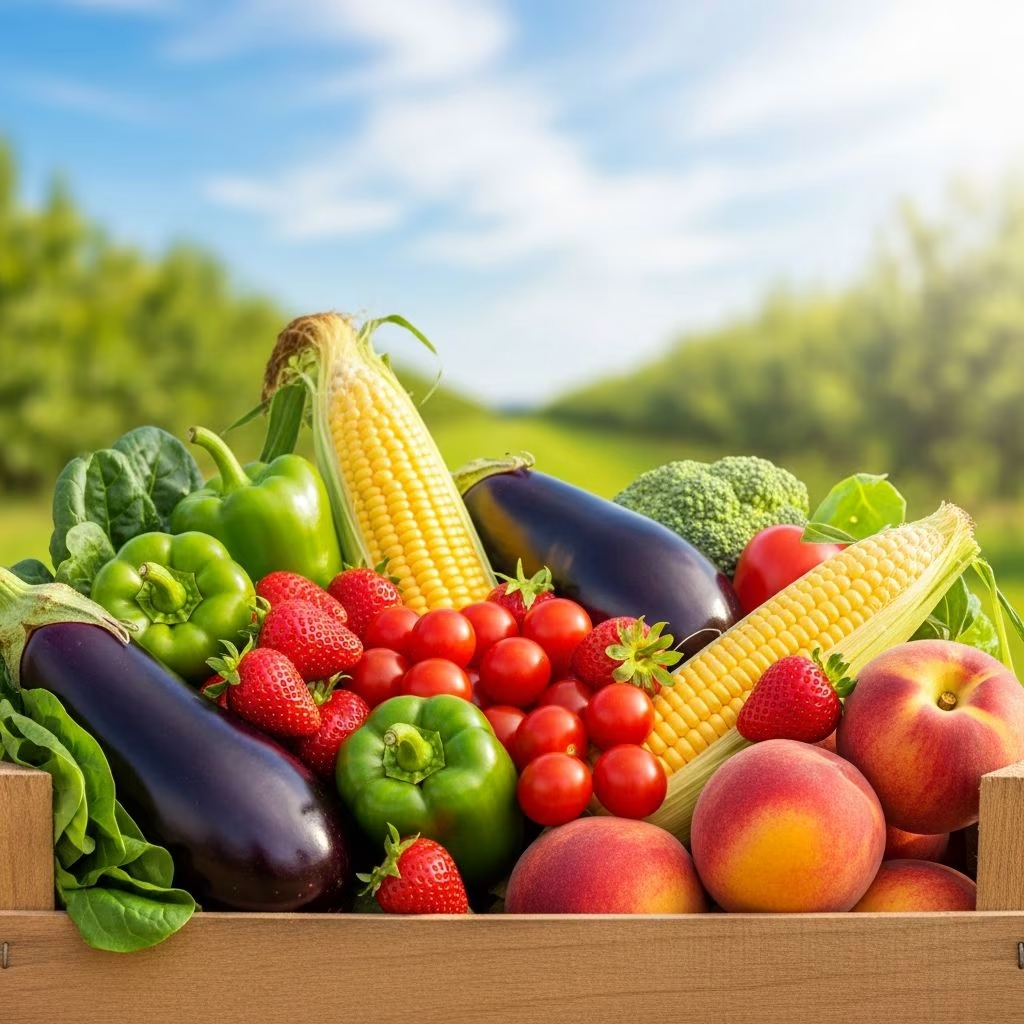
Summer brings peak season for many fruits and vegetables, yet grocery prices continue to climb amid inflation and supply chain challenges. For budget-conscious shoppers seeking frugal ways to fill their plates with fresh produce, targeted strategies can unlock free or deeply discounted options. These methods leverage community resources, seasonal abundance, and wild edibles available in urban, suburban, and rural areas alike. By knowing where — and how — to look, you can significantly cut food costs without sacrificing nutrition or quality.
This guide outlines three proven approaches: locating free farm stands, fridges, and pantries; foraging for wild edibles; and participating in community gardens and gleaning programs. Each section includes practical steps, location tips, and etiquette guidelines to ensure sustainable access for everyone. Whether you’re combating high grocery bills or aiming for self-sufficiency, these tactics work year-round but shine brightest in summer’s bounty.
Find Free Farm Stands, Fridges and Pantries
Free produce often hides in plain sight through grassroots initiatives like free farm stands, community fridges, and Little Free Pantries. These no-questions-asked resources provide surplus fruits and veggies from home gardeners, urban farms, and food rescuers. In summer, expect overflows of tomatoes, zucchini, berries, and herbs as backyard growers share excess harvests.
The main challenge is discovery. Start locally: contact food pantries, community cafes, or rescues, where staff track nearby stands and fridges. Apps and maps like Falling Fruit (more on this below) also pinpoint options, but grassroots networks yield the freshest leads.
- Free Farm Stands: Pop-up tables in front yards or parks stocked with ‘take what you need’ signage. Common in suburban neighborhoods with avid gardeners.
- Community Fridges: Refrigerated units in alleyways or lots offering perishables like lettuce, cucumbers, and melons. Mutual aid groups maintain them.
- Little Free Pantries: Mini libraries for food, often with staples but increasingly veggies from surplus gardens.
To contribute: Bring extras from your own garden or store-bought items when possible. Always take only what you need to preserve supply for others. These systems thrive on reciprocity, fostering community resilience against food insecurity.
| Resource Type | Typical Summer Finds | How to Locate | Etiquette Tip |
|---|---|---|---|
| Free Farm Stands | Zucchini, tomatoes, berries | Neighborhood Facebook groups, Nextdoor app | Leave a donation if able |
| Community Fridges | Salad greens, herbs, fruit | Mutual aid websites, local food banks | Wash hands, use clean bags |
| Little Free Pantries | Potatoes, onions, surplus veggies | LittleFreePantry.org map | Replace what you take |
Forage for Wild Edibles
Foraging taps into nature’s free pantry, yielding mulberries, grapes, elderberries, and unique finds like staghorn sumac for lemonade or kousa dogwood for jams. Urban parks, alleys, and woodlands hide these treasures, especially midsummer when fruits ripen.
Safety first: Use reliable guides to identify edibles and avoid toxic lookalikes. Start with the nonprofit Falling Fruit‘s global database of over 3,621 species, mapping public spots legally accessible for picking. Download their app for geolocated mulberry trees or grapevines near you.
- Common Summer Forages: Blackberries along trails, wild strawberries in meadows, pawpaws in forests.
- Urban Tips: Check public rights-of-way, schoolyards, and church lots — areas where fruit goes unpicked.
- Tools Needed: Basket, gloves, field guide app (e.g., PictureThis or iNaturalist for verification).
Legal note: Forage only on public land or with permission; never trespass. Harvest sustainably — take half, leave half for wildlife and regrowth. Process finds quickly: Wash thoroughly, store properly, and experiment with recipes like sumac-spiced salads or berry compotes.
For beginners, join local foraging walks via Meetup or extension services. These build skills while connecting you to seasoned foragers sharing spots.
Join Community Gardens and Gleaning Programs
Community gardens offer plots for growing your own (often low-fee), plus shared harvests from common areas bursting with summer squash, peppers, and beans. Gleaning programs organize volunteers to collect unharvested crops from farms, diverting tons from waste into free distribution.
Find gardens via American Community Gardening Association maps or city parks departments. Many welcome volunteers for weeding in exchange for produce shares. Gleaning: Apps like Feeding America or local farm bureaus list opportunities, especially post-harvest sweeps.
- Garden Perks: Seeds/tools often provided; harvest peaks July-August.
- Gleaning Events: Farms donate ‘ugly’ produce — still nutritious and free.
- Yield Estimates: A 100 sq ft plot can produce 100+ lbs of veggies seasonally.
Pro tip: Volunteer regularly for priority access. Gardens build skills and networks, leading to swaps or cuttings.
| Method | Cost | Effort Level | Potential Savings |
|---|---|---|---|
| Community Gardens | $0-$50/year | Medium (weeding, watering) | $200+/season |
| Gleaning Programs | Free | Low (event-based) | 50-100 lbs free produce |
Frequently Asked Questions (FAQs)
Q: Is foraging legal everywhere?
A: Stick to public lands and rights-of-way; check local ordinances. Private property requires permission. National parks often prohibit it.
Q: How do I identify safe wild plants?
A: Cross-reference apps like Falling Fruit and iNaturalist with guidebooks. Join guided tours initially. Avoid if unsure — better safe than sorry.
Q: Can these methods work year-round?
A: Primarily summer-focused due to abundance, but pantries and gardens operate anytime. Winter forages include nuts and roots.
Q: What if I have no garden space?
A: Opt for container gardening on balconies or windowsills. Many community gardens have waitlists but offer volunteer shares.
Q: How much can I realistically save?
A: $50-200/month in peak summer, depending on location and effort. Combines well with pantry challenges for max savings.
Final Tips for Success
Combine strategies: Forage mornings, check fridges afternoons, garden weekends. Track savings to stay motivated. Share your hauls on social media to spread awareness, boosting local networks. Remember the golden rule: Take what you need, leave some for others — and give back where you can.
These approaches not only slash grocery bills but promote sustainability, reducing food waste and fostering community ties. In an era of rising costs, free produce is a smart, empowering path to frugal eating.
References
- Falling Fruit Edible Map — Falling Fruit Nonprofit. 2024-06-15. https://fallingfruit.org/
- Community Food Resources Report — USDA National Institute of Food and Agriculture. 2023-09-01. https://www.nifa.usda.gov/topics/community-food-systems
- Urban Foraging Guidelines — Wild Food UK (peer-reviewed foraging standards). 2024-01-20. https://www.wildfooduk.com/articles/urban-foraging/
- Little Free Pantry Network — Little Free Pantry Organization. 2024-05-10. https://littlefreepantry.org/map/
- Gleaning and Food Recovery — Feeding America. 2023-11-30. https://www.feedingamerica.org/our-work/hunger-relief/food-recovery
This article is general information, not personal financial advice. Consider your own situation, or speak with a licensed adviser, before acting on it.


