

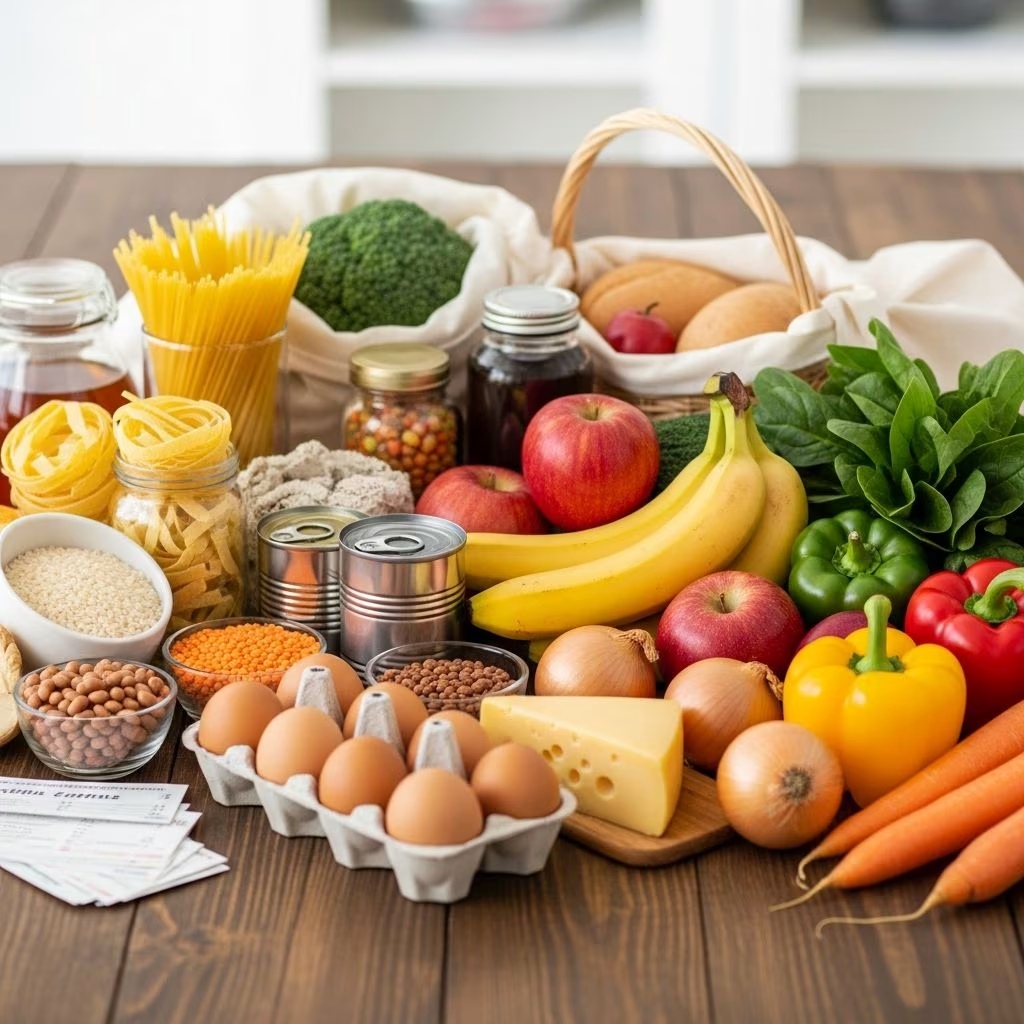
Grocery prices keep rising, but you do not have to let your food bill control your budget. Frugal grocery shopping is about being intentional with what you buy, how you plan, and how you use every item you bring home. With a clear strategy, you can save money, waste less, and still enjoy satisfying meals.
This guide walks you through frugal grocery shopping from start to finish: planning, list-making, store strategies, and smart habits at home.
Why Frugal Grocery Shopping Matters
Food is one of the largest flexible expenses in most household budgets, which means it is also one of the easiest places to find savings. In the United States, food at home represents a significant share of consumer spending, and lower-income households spend a larger portion of their budget on groceries than higher-income households. Making smarter choices at the store can free up money for debt repayment, savings, or other priorities without requiring extreme sacrifice.
Frugal grocery shopping is not about buying the absolute cheapest items or living on instant noodles. It is about:
- Planning meals around your real life and schedule
- Keeping a realistic budget and tracking your spending
- Reducing food waste by using what you already own
- Choosing nutritious, filling foods that stretch further
- Shopping with intention instead of impulse
Start With a Realistic Grocery Budget
A frugal grocery plan starts with knowing how much you want and can spend. Without a target, it is easy to overspend every week.
How to Set a Grocery Budget
Use these steps to create a grocery budget that fits your household:
- Review your current spending. Look at one to three months of bank or card statements and total what you spent on food at home.
- Compare with guidelines. Official food plans, such as the USDA food plans, provide approximate monthly costs for different household sizes and spending levels.
- Pick a starting target. Aim for a budget a bit lower than what you currently spend, but not so low that it becomes unrealistic.
- Adjust each month. Track your spending and make small changes as needed instead of trying to cut your bill in half overnight.
Tips to Stick to Your Budget
- Withdraw cash for groceries if overspending with cards is a problem.
- Use a simple note or budgeting app to log spending after each shopping trip.
- Keep a running estimate in the store, using your phone calculator or rounding prices in your head.
- Be willing to swap items on the spot to stay within your limit.
Plan Your Meals Around Your Life and Sales
Meal planning is one of the most powerful tools for frugal grocery shopping, because it turns random purchases into an intentional plan. Research shows that people who plan meals in advance waste less food and are less likely to turn to expensive takeout at the last minute.
Simple Meal Planning Process
You do not need complex systems or elaborate recipes. Use this straightforward routine each week:
- Check your calendar. Mark busy nights, late workdays, and events so you know when you need quick or no-cook meals.
- Inventory your kitchen. Look through your fridge, freezer, and pantry for foods that need to be used soon.
- Scan sales and discounts. Look at store flyers or apps for markdowns on proteins, produce, and staples.
- Choose 3–5 flexible main meals. Think stir-fries, pasta dishes, soups, grain bowls, or sheet-pan meals that can adapt to what is on sale.
- Fill in simple breakfasts and lunches. Repeat options (like oatmeal, yogurt, sandwiches, or leftovers) to save time and money.
Reverse Meal Planning
An especially frugal technique is reverse meal planning: instead of choosing recipes first and then shopping, you start with what you already have and what is on sale, then build meals around those ingredients.
For example:
- Chicken thighs on sale become baked chicken with rice and vegetables.
- Discounted seasonal produce becomes a large batch of soup or roasted vegetable trays.
- Leftover beans turn into chili, tacos, or a filling salad.
Make a Smart, Organized Grocery List
Once you have a loose meal plan, convert it into a detailed grocery list. Shopping with a list helps avoid impulse buys and makes you more likely to stick to your budget.
Steps to Build an Effective List
- Start from your meals. Write down ingredients you need for the week based on your plan.
- Check your stock. Cross off anything you already have enough of at home.
- Group by store area. Organize items by category (produce, dairy, pantry, frozen) to avoid backtracking and missed items.
- Note priorities. Mark must-have items versus things you can skip if prices are high.
Printable Categories You Can Use
| Category | Example Items |
|---|---|
| Produce | Onions, carrots, apples, greens, bananas |
| Proteins | Beans, lentils, eggs, chicken, tofu |
| Grains & starches | Rice, oats, pasta, potatoes, tortillas |
| Dairy & alternatives | Milk, yogurt, cheese, plant-based milk |
| Pantry staples | Oil, flour, sugar, spices, canned tomatoes |
| Frozen | Frozen vegetables, fruit, bread, leftovers |
Shop Strategically at the Store
Once you arrive at the store, your goal is to follow your plan while using in-store strategies that stretch every dollar. Many frugal habits are simple but powerful when used consistently.
Before You Enter the Store
- Eat beforehand. Shopping hungry is linked to more impulse purchases and higher spending.
- Bring your list and a pen or phone. Physically checking off items helps you stay focused.
- Set a spending cap. Decide your maximum for the trip and keep track as you go.
Smart In-Store Shopping Habits
- Shop the perimeter first. Focus on whole foods like produce, meat, dairy, and eggs, then fill in pantry items from the inner aisles.
- Compare unit prices. Use the unit price on the shelf label (e.g., cost per ounce or per kilogram) to find the best value, not just the lowest sticker price.
- Look high and low on shelves. Store brands and better deals are often placed above or below eye level.
- Limit convenience items. Pre-cut fruits, shredded cheese, and ready-to-eat meals often cost much more than whole ingredients.
- Use store brands. House or generic brands often have similar quality to name brands at a lower cost, and they must meet the same basic safety standards.
When to Buy in Bulk
Buying in bulk can be frugal, but only when it meets a few conditions:
- You will use the full amount before it expires or goes stale.
- You have storage space that keeps food safe and dry.
- The unit price is truly lower than smaller packages.
Staples like rice, oats, dried beans, and some frozen foods are usually safe bulk choices if your household eats them regularly.
Choose Foods That Stretch Your Budget
Certain food categories naturally offer more nutrition and satiety per dollar. Building your meals around these options helps you feel satisfied without overspending.
Budget-Friendly Staples
- Whole grains: Rice, oats, barley, and pasta are filling bases for many meals.
- Legumes: Beans, lentils, and peas provide protein and fiber at a low cost.
- Eggs: Versatile protein that works for breakfast, lunch, or dinner.
- Seasonal produce: Fruits and vegetables bought in season are often cheaper and fresher.
- Frozen produce: Frozen fruits and vegetables retain nutrients well and help limit waste when fresh items spoil.
Fresh vs. Frozen vs. Canned
| Type | Pros | Cons |
|---|---|---|
| Fresh | Great taste; variety; good for raw dishes | Shorter shelf life; may cost more out of season |
| Frozen | Long shelf life; often picked at peak ripeness; very convenient | Requires freezer space; texture changes for some items |
| Canned | Very long shelf life; good emergency backup | May contain added salt or sugar; texture different from fresh |
A mix of these forms usually gives you the best balance of cost, nutrition, and convenience.
Reduce Food Waste to Multiply Your Savings
Throwing food away is the same as throwing money away. Globally, large amounts of food are lost or wasted at the household level. Cutting waste is one of the fastest ways to lower your effective grocery cost.
Track and Use What You Have
- Keep a visible “eat first” area. Dedicate a fridge shelf or bin for items that need to be used soon.
- Store food properly. Use airtight containers, label leftovers with dates, and understand which items belong in the fridge, freezer, or pantry.
- Plan a weekly leftovers night. Designate one meal each week to use up bits and pieces before they spoil.
- Freeze extra portions. If you will not eat something in a few days, freeze single servings for future quick meals.
Repurpose Ingredients Creatively
- Make soup or stew with leftover meats and vegetables.
- Turn stale bread into croutons or breadcrumbs.
- Use overripe fruit in smoothies, baking, or oatmeal.
- Combine small amounts of cooked vegetables in omelets, fried rice, or grain bowls.
Use Tools, Apps, and Store Programs Wisely
Digital tools can support frugal grocery strategies, but they work best when you use them to reinforce a plan instead of drive extra spending.
Loyalty Programs and Digital Coupons
- Sign up for free store loyalty cards to access member prices and discounts.
- Load digital coupons only for items you already plan to buy.
- Watch for double-coupon days or special promotions if they align with your needs.
Grocery and Cash-Back Apps
- Use store apps to check prices and weekly ads before you shop.
- Try cash-back or receipt-scanning apps for small extra savings, but do not let rebates push you toward unnecessary purchases.
Cook at Home More Often
Eating out is almost always more expensive than cooking at home for similar meals. Several cost comparisons show that home-cooked food can be significantly cheaper than restaurant or take-out options, especially when you cook in batches and use basic ingredients.
To make home cooking realistic, focus on:
- Simple recipes with few ingredients
- Batch cooking large portions to freeze or eat as leftovers
- Reusing core ingredients in different ways across the week
Frequently Asked Questions (FAQs)
Q: What is the easiest first step to start frugal grocery shopping?
A: The easiest starting point is to track what you already spend for a month and begin creating a simple weekly meal plan using what is in your kitchen plus a short, focused shopping list.
Q: How can I save money on groceries without using coupons?
A: Focus on planning meals around sales, buying store brands, choosing budget-friendly staples like beans and rice, and reducing food waste. These habits use less time and often deliver more savings than chasing coupons.
Q: Is buying organic food compatible with a frugal grocery budget?
A: It can be, if you prioritize. Many people choose a few organic items that matter most to them, buy them on sale, and fill the rest of their cart with conventional produce, frozen vegetables, and other lower-cost staples.
Q: How often should I shop to keep costs low?
A: Many frugal shoppers do one main trip per week or every two weeks, plus occasional small trips for fresh items. Fewer trips usually mean fewer impulse purchases.
Q: What if my schedule is very busy and I do not have time to cook?
A: Use batch cooking on one less busy day, rely on simple meals like eggs and toast, pasta with vegetables, or bean-based dishes, and keep a few healthy convenience items on hand so you are less tempted by expensive takeout.
References
- Food Prices and Spending — United States Department of Agriculture (USDA) Economic Research Service. 2024-05-16. https://www.ers.usda.gov/topics/food-markets-prices/consumer-food-price-index/food-prices-and-spending/
- Official USDA Food Plans: Cost of Food at Home — United States Department of Agriculture (USDA). 2024-01-01. https://www.fns.usda.gov/cnpp/usda-food-plans-cost-food-reports
- Meal Planning and Food Waste Behavior — G. Stancu, A. Haugaard, L. Lähteenmäki, Appetite (Volume 96). 2016-01-01. https://doi.org/10.1016/j.appet.2015.08.030
- Household Food Waste: Multivariate Analysis of Composition and Quantity — Waste and Resources Action Programme (WRAP). 2018-01-01. https://wrap.org.uk/resources/report/household-food-waste-multivariate-analysis-composition-and-quantity
- Fruit and Vegetable Purchasing Patterns and Expenditures — United States Department of Agriculture (USDA) Economic Research Service. 2018-01-01. https://www.ers.usda.gov/publications/pub-details/?pubid=90225
- The Cost of Healthy Eating — Harvard T.H. Chan School of Public Health. 2013-12-05. https://www.hsph.harvard.edu/news/press-releases/healthy-vs-unhealthy-diet-costs-1-50-more/
- The Nutritional Value of Frozen Compared to Fresh Fruits and Vegetables — R. A. Bouzari et al., Journal of Agricultural and Food Chemistry. 2015-03-18. https://doi.org/10.1021/jf505878a
- Food Loss and Waste Facts — Food and Agriculture Organization of the United Nations (FAO). 2022-06-01. https://www.fao.org/platform-food-loss-waste/flw-data/en/
This article is general information, not personal financial advice. Consider your own situation, or speak with a licensed adviser, before acting on it.


