

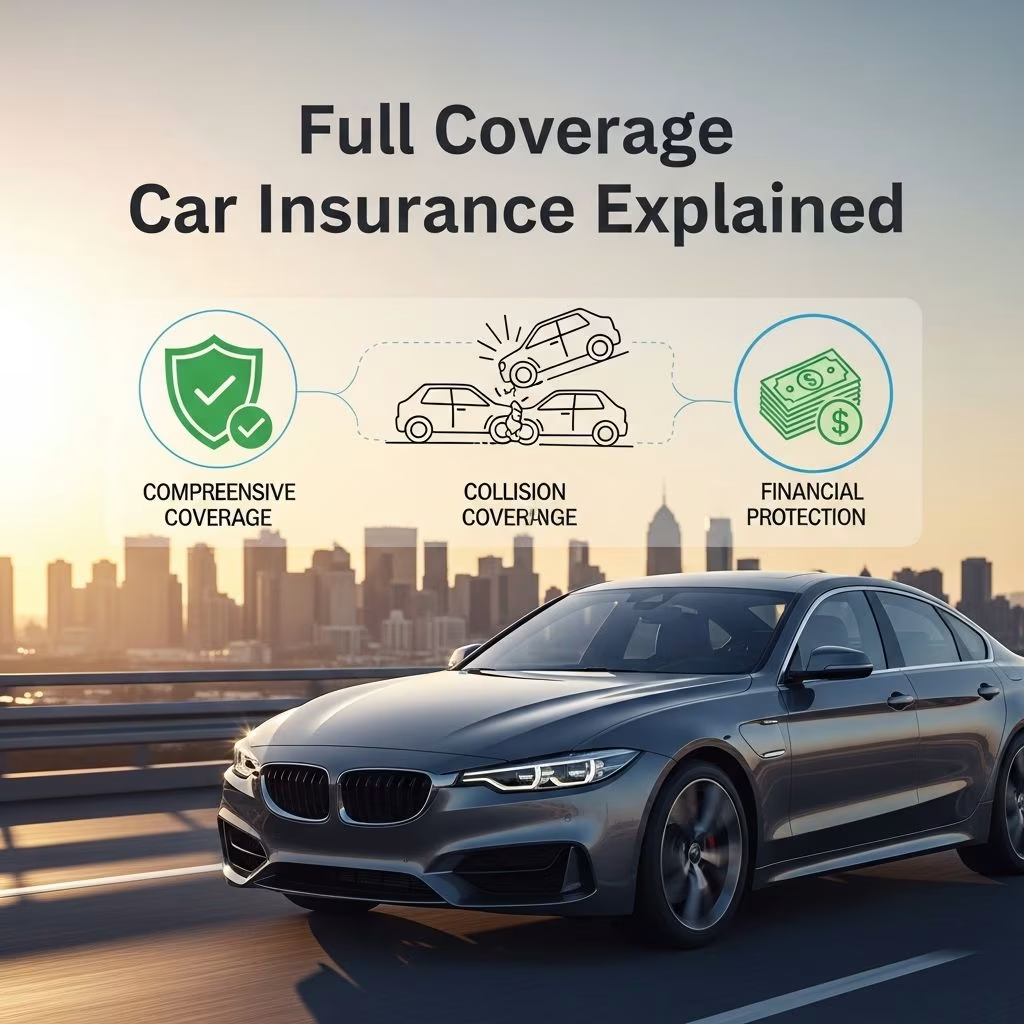
Full coverage car insurance provides extensive protection by combining multiple policy types to shield drivers from a wide array of financial risks on the road. Unlike basic liability-only plans, it safeguards both your vehicle and others involved in incidents, making it a popular choice for vehicle owners seeking peace of mind.
Defining Full Coverage: A Common Industry Term
The phrase “full coverage” lacks a strict legal definition but typically denotes a policy bundle featuring liability insurance alongside collision and comprehensive coverages. This setup meets state minimums while adding layers for your own car’s repairs or replacement after covered events.
Liability forms the foundation, required in nearly all states, covering damages you cause to others. Collision and comprehensive extend protection to your vehicle, often mandated by lenders for financed or leased cars.
Core Components of a Full Coverage Policy
A standard full coverage package breaks down into several essential elements, each addressing specific scenarios.
Liability Coverage Breakdown
This mandatory component splits into bodily injury liability, which handles medical bills, lost wages, or funeral costs for others in at-fault accidents, and property damage liability for repairing vehicles or structures you impact.
State minimums vary, but full coverage policies often exceed them for better security against lawsuits.
Collision Coverage Details
Collision pays for your vehicle’s repairs after crashing into another car or object, regardless of fault. It applies whether you’re overturning or striking a guardrail.
A deductible applies—you cover this out-of-pocket amount before insurer payments kick in. For instance, with a $1,000 repair bill and $500 deductible, you pay $500, and insurance handles the rest.
Comprehensive Coverage Essentials
Comprehensive handles non-collision damages like theft, vandalism, fire, hail, floods, or animal strikes. It protects parked cars too, covering events beyond your control.
Like collision, it includes a deductible, and payouts align with your car’s actual cash value at claim time.
Additional Protections Often Included
Beyond the basics, full coverage may incorporate optional add-ons for broader safety nets.
- Uninsured/Underinsured Motorist: Shields you if hit by drivers lacking sufficient insurance; required in select states.
- Medical Payments or PIP: Covers medical costs for you and passengers irrespective of fault; mandatory in no-fault states.
- Rental Reimbursement: Funds a temporary rental while your car repairs post-covered claim.
- Gap Insurance: Bridges the gap between a totaled car’s value and remaining loan balance, typically from lenders.
These enhance protection but increase premiums.
Full Coverage vs. Minimum Coverage: Key Differences
| Aspect | Full Coverage | Minimum (Liability-Only) |
|---|---|---|
| Vehicle Protection | Yes (collision + comprehensive) | No |
| Cost | Higher premiums | Lower premiums |
| Lender Requirement | Often required | Not sufficient |
| Out-of-Pocket Risk | Lower after deductibles | High for own repairs |
| Best For | New/financed cars, high-risk areas | Older paid-off vehicles |
Minimum coverage satisfies legal mandates but leaves you exposed for personal vehicle damages.
When Do You Need Full Coverage?
Consider full coverage if financing or leasing, as lenders demand it to protect their asset. It’s wise for newer cars, high-theft zones, or drivers wanting to avoid massive repair bills. Skip it for older, low-value vehicles where repair costs exceed worth.
Factors Influencing Full Coverage Costs
Premiums average higher than liability-only due to broader risks assumed by insurers. Key drivers include:
- Location: Urban areas with traffic or weather risks hike rates.
- Vehicle Value/Type: Newer, luxury models cost more to insure.
- Driving Record: Accidents or tickets raise prices.
- Deductibles: Higher ones (e.g., $1,000 vs. $500) lower premiums.
- Credit Score: Better scores often yield discounts (where permitted).
Shop quotes from multiple providers, ensuring identical coverages for fair comparisons.
Deductibles: Balancing Savings and Risk
Deductibles represent your upfront claim payment. Opting for $1,000 over $250 cuts premiums significantly but demands more savings for claims. Match it to your emergency fund.
Is Full Coverage Worth the Investment?
For a $47,000 new car, yes—repairs or replacement sans coverage could devastate finances. Weigh vehicle age against annual premiums; drop collision/comprehensive when costs exceed 10% of car value yearly.
Tips to Lower Full Coverage Premiums
Secure discounts through:
- Bundling auto with home insurance.
- Good driver or student programs.
- Anti-theft devices or safety features.
- Paying annually or via electronic funds.
- Maintaining clean records.
Common Misconceptions About Full Coverage
- It doesn’t cover all scenarios—e.g., normal wear or intentional damage.
- Not truly “full” without add-ons like roadside aid.
- Lender requirements persist until loan payoff.
State Variations and Requirements
While liability is universal, extras like PIP or UM vary. No-fault states mandate personal injury protections. Always verify local minimums before buying.
FAQs
What exactly is full coverage car insurance?
It refers to liability plus collision and comprehensive, protecting your car and others comprehensively.
Is full coverage required by law?
No, but lenders often require it for financed vehicles. States mandate only liability minimums.
How much does full coverage cost?
Varies widely; expect higher than liability-only based on factors like location and car value.
Can I drop full coverage on a paid-off car?
Yes, if risks are low, but assess repair costs vs. premiums.
What’s the difference between collision and comprehensive?
Collision for crashes; comprehensive for theft, weather, vandalism.
Choosing Your Policy Wisely
Review needs annually—adjust as loans end or cars age. Compare apples-to-apples quotes and understand limits/deductibles for optimal protection without overpaying.
References
- What Is Full Coverage Auto Insurance? — State Farm. 2026. https://www.statefarm.com/simple-insights/auto-and-vehicles/what-is-full-coverage-auto-insurance
- Full coverage car insurance — Liberty Mutual. 2026. https://www.libertymutual.com/vehicle/auto-insurance/full-coverage-car-insurance
- What Does Full Coverage Car Insurance Consist Of? — MAPFRE Insurance. 2026. https://www.mapfreinsurance.com/blog/what-full-coverage-car-insurance-consist/
- What Is Full Coverage Car Insurance? — Progressive. 2026. https://www.progressive.com/answers/full-coverage-car-insurance/
- Understanding Full Coverage Car Insurance — Baldwin. 2026. https://baldwin.com/insights/understanding-full-coverage-car-insurance/
- What Is “Full Coverage” Car Insurance? — Allstate. 2026-01. https://www.allstate.com/resources/car-insurance/what-is-full-coverage
This article is general information, not personal financial advice. Consider your own situation, or speak with a licensed adviser, before acting on it.


