

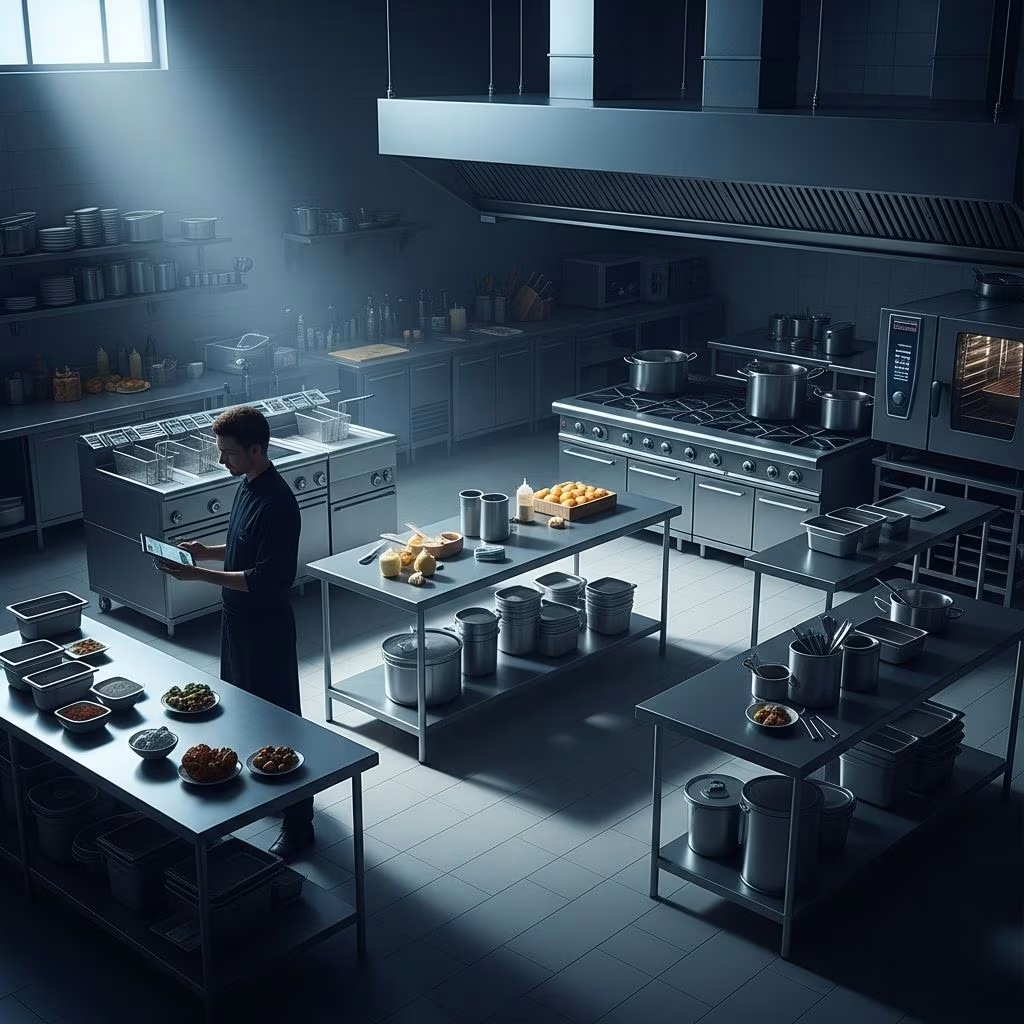
Ghost kitchens, also known as cloud kitchens or virtual restaurants, represent a transformative shift in the food service industry. These delivery-only facilities operate without traditional front-of-house elements, focusing solely on preparing meals for online orders. By leveraging shared commercial spaces and digital platforms, they offer restaurateurs a lean way to enter or expand in the booming delivery market.
The Mechanics of Delivery-Only Food Operations
At their core, ghost kitchens function as specialized production hubs. Operators lease space in multi-tenant facilities equipped with commercial-grade appliances. Multiple virtual brands share the kitchen, each crafting distinct cuisines from the same footprint. Customers order via apps like DoorDash or Grubhub, and drivers pick up directly from a streamlined handoff zone.
This model eliminates dine-in distractions, allowing teams to prioritize cooking efficiency. A single tablet often manages orders across platforms, marking completions and coordinating logistics. Hubs in high-demand areas ensure quick fulfillment, with on-site processing centers routing meals to the right drivers.
- Shared infrastructure: Reduces individual setup costs through communal equipment and utilities.
- Digital ordering: Integrates with major apps for seamless customer access.
- Optimized layout: Designed for prep, packaging, and driver access without customer interaction.
Financial Advantages Driving Adoption
Ghost kitchens drastically lower entry barriers compared to brick-and-mortar establishments. Traditional restaurants face steep rents for dining areas, plus expenses for decor, servers, and parking—often 5-10% of revenue just on lease alone. In contrast, ghost kitchen spaces rent for $5,000-$7,000 monthly, providing 200-300 square feet of prime real estate in delivery hotspots.
| Cost Factor | Ghost Kitchen | Traditional Restaurant |
|---|---|---|
| Rent | Low ($5K-$7K/mo) | High (5-10% revenue) |
| Staffing | Kitchen-focused (no servers) | Front-of-house + kitchen |
| Utilities/Insurance | Streamlined | Extensive due to public space |
| Expansion | Quick, low-capital | Capital-intensive |
Overhead savings extend to labor: no need for bussers or hosts. Delivery outsourcing via apps further cuts logistics burdens. Inventory control improves with data-driven menus, minimizing waste and boosting margins.
Strategic Flexibility for Innovation
One standout benefit is menu agility. Operators can pivot offerings based on trends or analytics, testing concepts without full restaurant risks. A single kitchen might produce burgers from one brand and sushi from another, targeting diverse segments.
This multi-brand approach amplifies reach. Established chains like Chili’s have launched virtual offshoots, such as It’s Just Wings, to experiment digitally. Shared spaces foster incubation: new ideas launch affordably, scaling if successful.
- Trend adaptation: Swap menus seasonally or per demand spikes.
- Brand multiplication: Run 2-3 concepts simultaneously for broader appeal.
- Geographic expansion: Replicate models coast-to-coast with minimal investment.
Navigating Operational Challenges
Despite efficiencies, ghost kitchens aren’t without hurdles. High competition on delivery apps demands strong visibility, often requiring marketing investments. Quality control is paramount—meals must travel well to avoid sogginess or spills.
Dependency on third-party platforms means commission fees (up to 30%) eat into profits. Regulatory compliance varies by location, with health inspections focusing on hygiene in high-volume prep. Staff turnover can rise in intense, shift-based environments.
Environmental concerns arise from packaging waste, though innovative operators adopt sustainable materials and waste-reduction tech.
Step-by-Step Guide to Launching Your Ghost Kitchen
Starting requires strategic planning. First, scout locations in dense urban zones with robust delivery demand. Partner with hub providers like CloudKitchens or Reef for equipped spaces.
- Research market gaps: Analyze app data for underserved cuisines.
- Design delivery-optimized menu: Prioritize sturdy, quick-cook items.
- Secure permits and equip: Ensure commercial kitchen compliance.
- Build digital brand: Craft profiles on multiple platforms with SEO-friendly names.
- Hire lean team: Focus on skilled cooks efficient under pressure.
- Monitor and iterate: Use analytics for real-time adjustments.
Marketing emphasizes online presence: targeted ads, social media teasers, and customer reviews drive orders. Negotiate app terms for better placement.
Real-World Success Stories and Lessons
Pioneers like CloudKitchens have scaled globally, offering private pods in hubs for focused operations. In Europe, Kitch in Lisbon curates chef-driven brands with eco-friendly practices, raising €1M in funding.
Recipe Unlimited in Canada adapts mainstream brands to this model, proving viability for chains. Yet, hype has cooled; post-2020 boom, some struggle amid saturation, underscoring the need for differentiation.
The Evolving Landscape and Future Outlook
Ghost kitchens surged during pandemics but persist due to lasting delivery habits. Projections show continued growth, especially in suburbs and with tech integrations like AI menu optimization.
Hybrid models emerge: satellite kitchens supporting physical sites. Sustainability pushes include electric delivery fleets and zero-waste packaging. As apps evolve, direct ordering could reduce fees, enhancing profitability.
FAQ: Common Questions on Ghost Kitchens
What exactly is a ghost kitchen?
A delivery-only facility, often shared, preparing food for app-based orders without public dining.
Are ghost kitchens profitable?
Yes, via low overhead and scalability, though success hinges on menu appeal and marketing.
How do I start one?
Lease space, optimize menu for delivery, integrate apps, and promote digitally.
What are the main risks?
Platform fees, competition, and maintaining food quality during transit.
Can established restaurants use them?
Absolutely—for expansion or testing without disrupting core operations.
Key Metrics for Ghost Kitchen Success
| Metric | Target Benchmark | Why It Matters |
|---|---|---|
| Order Fulfillment Time | <20 minutes | Boosts ratings and repeat business |
| Customer Acquisition Cost | <$10/order | Balances marketing spend |
| Profit Margin | 20-30% | Accounts for fees and variables |
| App Rating | 4.5+ stars | Drives algorithmic visibility |
In summary, ghost kitchens democratize food entrepreneurship, blending technology, efficiency, and creativity. They suit innovators ready to master digital dynamics.
References
- The Ghost Kitchen Business Model | GoFoodservice — GoFoodservice. 2023. https://www.gofoodservice.com/blog/the-advantages-and-disadvantages-of-the-ghost-kitchen-business-model
- Ghost Kitchens – Business Model Innovation — Lumos Business. 2023. https://lumosbusiness.com/business-model-innovation-ghost-kitchens/
- What are Ghost Kitchens? The definitive guide to Virtual Restaurants — CloudKitchens. 2024. https://cloudkitchens.com/blog/ultimate-guide-to-ghost-kitchens/
This article is general information, not personal financial advice. Consider your own situation, or speak with a licensed adviser, before acting on it.


