

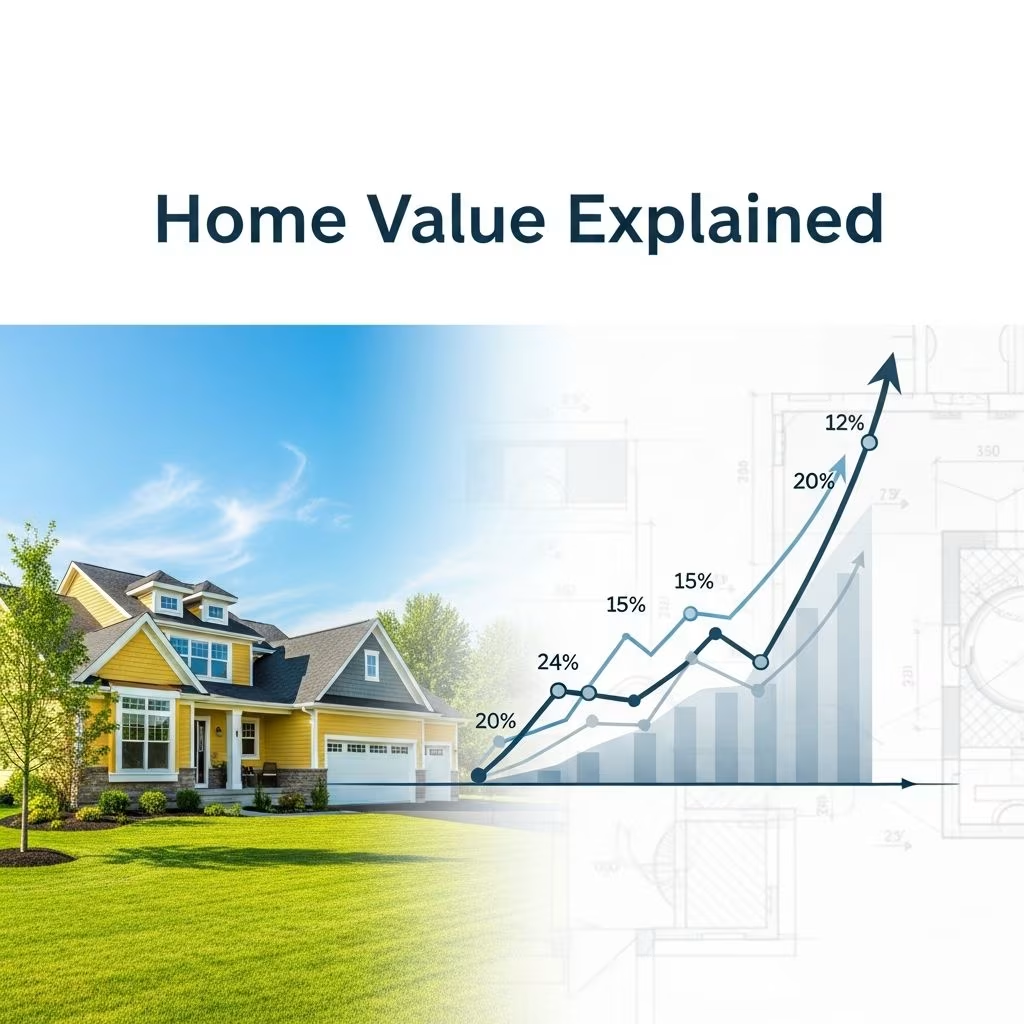
Property values tend to rise over time due to a combination of local market forces, economic trends, and property-specific enhancements. This increase, known as home appreciation, builds equity for owners and influences decisions on buying, selling, or refinancing.
Core Drivers of Property Appreciation
Several interconnected elements determine how quickly a home’s value grows. Location remains the most critical, as properties in high-demand areas with strong infrastructure see faster gains.
- Prime Locations: Homes near top schools, parks, shopping, and transit options command higher prices and appreciate more steadily.
- Neighborhood Appeal: Low-crime areas with desirable amenities attract families and professionals, sustaining value growth.
- Future Developments: Planned infrastructure like new highways, offices, or retail centers can trigger rapid appreciation.
Beyond location, supply and demand dynamics play a pivotal role. In regions with limited inventory and rising population, prices climb due to competition among buyers.
Market and Economic Influences
The broader economy shapes appreciation rates. Strong job markets and income growth fuel housing demand, pushing values upward. For instance, a 1% rise in per capita income correlates with a 1.5% increase in home prices, according to Freddie Mac analysis.
| Factor | Impact on Value | Example |
|---|---|---|
| Interest Rates | Lower rates boost buyer affordability, driving prices up | Federal Reserve notes rising demand with rate cuts |
| Population Growth | 1% increase leads to 0.03% price rise | Post-COVID suburban migration |
| Local Economy | Job growth elevates demand | Tech hubs see accelerated appreciation |
| Inflation | Can outpace or lag home gains depending on region | Appreciation often exceeds general inflation |
Housing market cycles also matter: seller’s markets with low supply yield higher appreciation, while buyer’s markets may stall growth.
Property Features That Boost Worth
A home’s physical attributes significantly affect its market value. Newer constructions or well-maintained older homes with modern updates fetch premiums.
- Size and Layout: More bedrooms, bathrooms, and square footage appeal to families, increasing desirability.
- Age and Maintenance: Updated systems like roofing, electrical, and plumbing reduce buyer concerns.
- Unique Traits: Historic charm or corner lots offer privacy and prestige, enhancing value.
Curb appeal sets the first impression. Fresh landscaping, painted exteriors, and tidy driveways can elevate perceived worth immediately.
Strategic Renovations for Maximum Gains
Targeted improvements yield the highest returns. Kitchen and bathroom remodels often recoup over 70% of costs in added value, while energy-efficient upgrades like solar panels attract eco-conscious buyers.
- Prioritize High-ROI Projects: Focus on kitchens, baths, and exteriors for broad appeal.
- Enhance Efficiency: Insulation, windows, and HVAC updates lower utility bills and boost ratings.
- Add Functional Space: Finished basements or extra rooms expand livable area.
Avoid over-improving beyond neighborhood norms, as this limits ROI. Comparables—or recently sold similar homes—guide realistic upgrades.
Measuring and Tracking Appreciation
To quantify growth, subtract the original purchase price from the current market value, then divide by the original price and multiply by 100 for the percentage rate. Local data from appraisers or platforms provides accurate comps.
National averages hover around 3-5% annually, but locales vary widely—urban hotspots may double that, while rural areas lag. Track via annual appraisals or online tools comparing similar sales.
Risks and Mitigation Strategies
Appreciation isn’t guaranteed. Economic downturns, rising rates, or oversupply can depress values. Diversify by choosing resilient locations with diverse economies.
- Monitor local trends: Employment stability and infrastructure plans signal strength.
- Maintain diligently: Neglect erodes value faster than market dips.
- Time wisely: Sell in peak cycles for optimal gains.
Building Wealth Through Equity
Rising values create tappable equity for renovations, debt payoff, or investments. Homeowners leveraging appreciation wisely accelerate financial goals. Consult professionals for refinancing or equity access options.
FAQs
What causes home values to increase?
Key drivers include location desirability, supply shortages, economic strength, population influx, and quality improvements.
How does location impact appreciation?
Proximity to schools, jobs, transit, and amenities in growing areas ensures steady gains due to sustained demand.
Do renovations always pay off?
Not always—focus on high-demand updates like kitchens and energy features; compare to neighborhood comps for best ROI.
What’s the average annual appreciation rate?
Typically 3-5% nationally, varying by region and market conditions.
Can home appreciation beat inflation?
Often yes, especially in high-demand areas where demand-driven growth outpaces broader economic inflation.
Conclusion
Understanding appreciation drivers empowers homeowners to select properties with strong potential and invest in enhancements that amplify returns. Stay informed on local markets to capitalize on opportunities.
References
- Understanding Home Appreciation Vs. Inflation — Erica Minchella Law. 2024-07-23. https://ecminchellalaw.com/2024/07/23/understanding-home-appreciation-vs-inflation/
- 10 Factors That Increase Property Value — Simplify Home Loans. N/A. https://simplifyhomeloans.com/10-factors-that-increase-property-value/
- Price Appreciation – Overview, Factors, Fair Market Value — Corporate Finance Institute. N/A. https://corporatefinanceinstitute.com/resources/valuation/price-appreciation/
- The Economics of Real Estate: 13 Factors that Affect Home Values — Homes.com. N/A. https://www.homes.com/learn/factors-that-affect-home-values/
- What is home appreciation? — Rocket Mortgage. N/A. https://www.rocketmortgage.com/learn/home-appreciation
- The Ultimate Guide to Home Price Appreciation — Charlie Bilello’s Blog. 2025. https://bilello.blog/2025/the-ultimate-guide-to-home-price-appreciation
- What Is Home Appreciation In Real Estate? — Bankrate. N/A. https://www.bankrate.com/real-estate/home-appreciation/
This article is general information, not personal financial advice. Consider your own situation, or speak with a licensed adviser, before acting on it.


