

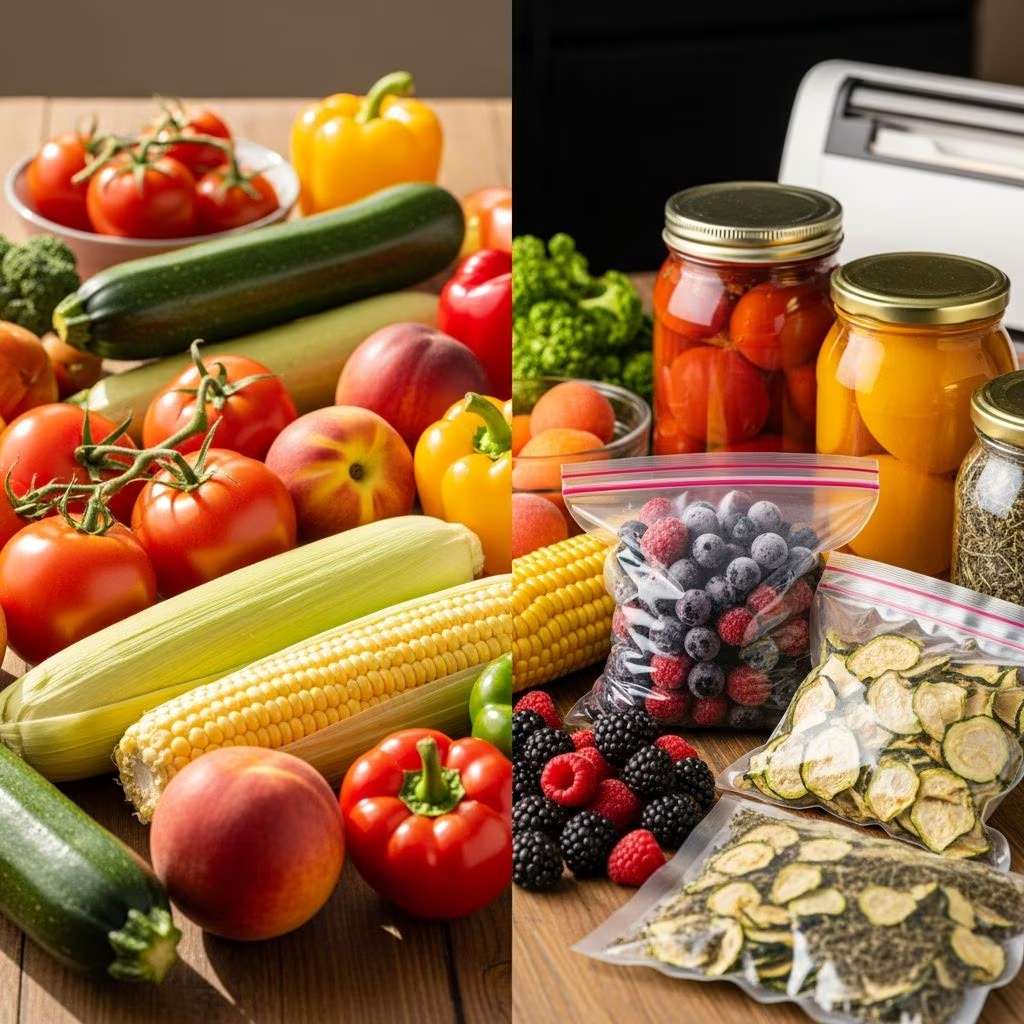
Summer brings an abundance of fresh fruits and vegetables from gardens, farmers’ markets, and local farms. However, this bounty is fleeting. To savor those vibrant flavors through fall and winter, mastering home food preservation is key. This guide covers essential methods—freezing, drying, canning, pickling, fermenting, and cellaring—drawn from reliable practices to ensure safety and quality. Always prioritize high-quality produce: select young, tender vegetables or fully ripened fruits, wash thoroughly, and use tested recipes from authoritative sources like the U.S. Department of Agriculture (USDA) or National Center for Home Food Preservation to avoid risks like botulism.
Freezing Your Summer Harvest
Freezing is one of the simplest and most accessible preservation methods, requiring only a freezer and airtight containers. It retains nutrients and flavor effectively if done correctly. Start by blanching vegetables—briefly boiling then shocking in ice water—to preserve color, texture, and halt enzyme activity that causes spoilage.
- Vegetables: Blanch, cool, dry, and freeze in single layers at 0°F (-18°C). Use within 8-12 months for peak quality. Examples include green beans, peas, corn, broccoli, and peppers.
- Fruits: Slice and treat with ascorbic acid or lemon juice to prevent browning. Pack in sugar syrup or dry sugar for berries, peaches, and apples. Strawberries freeze whole; spread on trays first to avoid clumping.
- Herbs: Chop and freeze in ice cube trays with water or oil for easy portioning.
Airtight seals are crucial to prevent freezer burn. Label packages with dates and contents. Freezing uses minimal energy compared to canning and preserves water-soluble vitamins better than heat-based methods.
Drying Fruits and Vegetables
Drying removes moisture to inhibit bacterial growth, concentrating flavors into lightweight, storable products. Beans, peas, corn, hot peppers, apples, apricots, pears, plums, and grapes (for raisins) dry well. Herbs like mint, cilantro, rosemary, sage, oregano, and dill can be air-dried by hanging bundles.
Methods:
- Air-Drying: Suitable for fruits in hot, dry conditions (above 85°F and below 60% humidity). Spread thinly on screens; bring indoors overnight. Pasteurize dried items at 160°F for 30 minutes or freeze at 0°F for 48 hours to kill insects.
- Oven or Dehydrator: Recommended for consistency, especially in humid areas. Preheat to 140-160°F; rotate trays. Roast soybeans or pumpkin seeds on baking sheets. Fruit leather—pureed fruit spread thinly—makes portable snacks.
Store in airtight jars or bags in cool, dark places. Condition by shaking daily for 7-10 days to equalize moisture. Dehydrators ($40-$100) handle large batches efficiently.
Canning Summer Produce Safely
Canning seals food in jars sterilized by heat, creating a vacuum for long-term storage. It’s ideal for tomatoes, peaches, and pickles but demands precision. Use only USDA-tested recipes; avoid unverified blogs to prevent low-acid dangers.
Types:
- Water Bath Canning: For high-acid foods (pH below 4.6) like fruits, tomatoes (with added acid), and pickles. Boil jars submerged for specified times.
- Pressure Canning: Essential for low-acid vegetables (green beans, carrots) to reach 240°F and kill botulism spores.
Inspect jars for seals post-processing. Shelf life: 12-18 months. Hands-on classes from Extension services build confidence.
Pickling and Fermenting for Flavorful Preservation
Acidification via pickling or fermentation transforms produce while preserving it. Pickles last months; ferments like sauerkraut add probiotics.
Quick Pickling: Use 5% acidity vinegar, salt, sugar, and spices. Refrigerate for short-term or water-bath for pantry storage.
Fermentation: Lacto-ferment cabbage into sauerkraut or kimchi, or cucumbers into pickles using salt (pickling or kosher, non-iodized). Shred, salt, pack tightly; submerge in brine. Ferment 1-4 weeks at room temperature. Safe with zero U.S. poisoning cases due to pH drop.
- Discard batches with off odors.
- Ratio: 2-5% salt by weight.
Fruit vinegars from juice or mash offer creative options.
Cellaring: The Root Cellar Revival
Cellaring stores produce in cool (32-40°F), humid (80-90%) conditions without processing, mimicking natural dormancy. Ideal for beets, cabbage, carrots, onions, potatoes, parsnips, garlic, apples, and winter squash.
Setup Tips:
- Use basements, garages, or buried barrels.
- Ventilate to control ethylene gas from apples (store separately).
- Check weekly; remove spoilage promptly.
Humidity prevents withering; temperature slows decay. Modern root cellars save energy and retain freshness.
Best Practices for All Methods
Across techniques:
- Safety First: Tested recipes only.
- Quality Input: Peak ripeness maximizes output.
- Storage: Cool, dark, dry; rotate stock.
- Tools: Jars, lids, dehydrators, thermometers.
| Method | Best For | Equipment Needed | Shelf Life |
|---|---|---|---|
| Freezing | Berries, veggies, herbs | Freezer, bags | 8-12 months |
| Drying | Fruits, herbs, peppers | Dehydrator/screens | 1+ years |
| Canning | Tomatoes, pickles | Canner, jars | 12-18 months |
| Pickling/Fermenting | Cucumbers, cabbage | Jars, salt | 6-12 months |
| Cellaring | Roots, squash | Cool space | 3-6 months |
Frequently Asked Questions (FAQs)
Q: What is the safest way to preserve low-acid vegetables?
A: Use pressure canning with tested USDA recipes to eliminate botulism risks.
Q: Can I air-dry produce in humid climates?
A: Not recommended; use a dehydrator for consistent results.
Q: How do I prevent fruit from browning when freezing?
A: Dip in ascorbic acid solution or lemon juice before packing.
Q: Is fermentation safe for beginners?
A: Yes, with proper salt ratios; it’s safer than canning due to natural acidification.
Q: What’s the ideal root cellar temperature?
A: 32-40°F with 80-90% humidity.
References
- Tips for preserving summer produce safely from a Virginia Cooperative Extension expert — Virginia Tech News. 2025-07. https://news.vt.edu/articles/2025/07/cals-extension-summer-home-food-preservation.html
- Preserving Summer Produce — Willy Street Co-op. 2022-08. https://www.willystreet.coop/reader/august-2022/preserving-summer-produce/
- How to Make Your Favorite Summer Produce Last All Year — Wise Bread. N/A. https://www.wisebread.com/how-to-make-your-favorite-summer-produce-last-all-year
- Going Back to the Root Cellar — Wise Bread. N/A. https://www.wisebread.com/going-back-to-the-root-cellar
This article is general information, not personal financial advice. Consider your own situation, or speak with a licensed adviser, before acting on it.


