

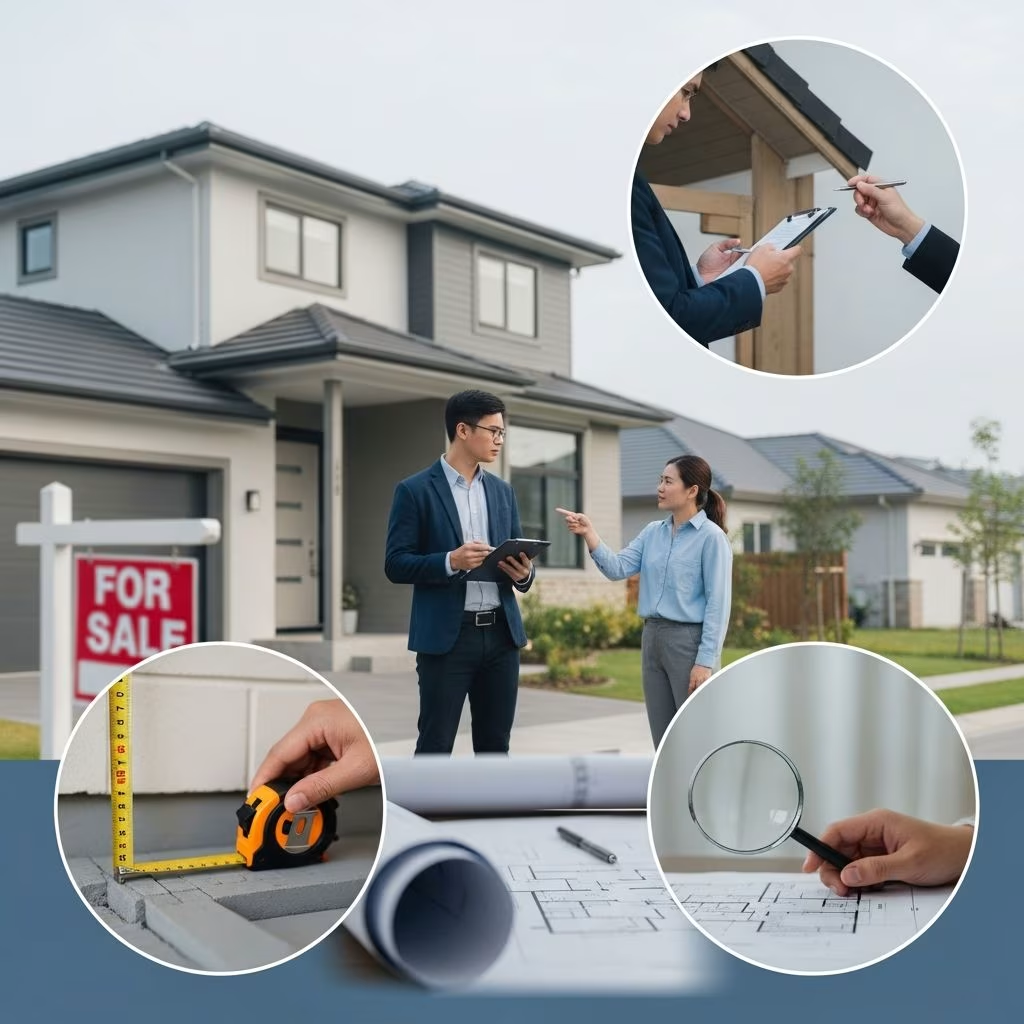
When you’re in the process of purchasing a residential property, one of the most critical steps you’ll take is arranging for a professional evaluation of the home’s condition. This assessment provides you with detailed information about the property’s structural integrity, mechanical systems, and overall livability before you finalize your purchase decision. Understanding what happens during this process, what professionals look for, and how to prepare can help you make a more informed investment decision.
Defining the Residential Property Evaluation Process
A residential property evaluation is a systematic and impartial examination of a potential home to verify that it meets safety standards, possesses structural soundness, and offers habitable living conditions. This comprehensive assessment goes far beyond a casual walkthrough; it involves a trained professional scrutinizing both visible and accessible components of the property. The evaluator’s role is to identify any existing problems, potential future issues, and areas where maintenance may be needed.
The timeline for scheduling this evaluation typically occurs after your purchase offer has been accepted and you’ve signed a purchase agreement with the seller, but before or concurrent with the property’s appraisal process. This placement in the buying timeline is strategic, as it gives you the opportunity to address any discovered issues before finalizing your commitment to purchase.
Duration and Scope of a Standard Evaluation
A standard residential property evaluation typically spans two to four hours, though the exact duration varies based on several factors. Smaller properties in excellent condition might be assessed more quickly, while larger homes, those with multiple systems, or properties with numerous defects will naturally require more time for a thorough examination.
Several variables influence how long the evaluation takes:
- The overall square footage and complexity of the home’s layout
- The number of systems requiring examination (HVAC, plumbing, electrical)
- The age of the property and presence of upgrades or modifications
- The number and severity of any apparent defects or concerns
- The evaluator’s attention to detail and thoroughness
- How accessible the property is for a complete examination
Structural and Foundation Components Under Examination
The structural integrity of a property forms the foundation (literally and figuratively) of the evaluation process. Evaluators carefully inspect the home’s structural framework to identify any weaknesses, settling issues, or deterioration that could compromise the building’s stability over time. This includes examining the foundation for cracks, moisture intrusion, or signs of movement that could indicate more serious problems.
Key structural elements reviewed include:
- Foundation integrity and the presence of significant cracks or shifts
- The quality and condition of framing materials throughout the home
- Grading and drainage patterns around the foundation’s perimeter
- The condition of retaining walls and how nearby vegetation might affect drainage
- The structural soundness of porches, decks, balconies, and their supporting components
- The condition of walkways, patios, and driveways
Climate Control and Heating Systems Assessment
The home’s climate control systems are among the most expensive components to repair or replace, making their evaluation particularly important. An evaluator will test the heating system to confirm it functions properly and assess whether it provides adequate capacity for the home’s size. Similarly, the central air conditioning system is tested when temperature conditions permit, ensuring the system can effectively cool the entire residence.
Beyond basic functionality, evaluators consider:
- Whether HVAC systems are appropriately sized for the home’s square footage
- The age and apparent condition of major components
- The presence and condition of thermostats and controls
- Proper ventilation throughout the home
- The general maintenance condition of visible HVAC components
Electrical System and Safety Features Inspection
The electrical system represents a critical safety component that receives thorough attention during any property evaluation. Evaluators inspect the main electrical panel or circuit breaker box, examining the wiring leading into and out of it to identify any obvious problems. They then test a representative sample of light switches and outlets throughout the home to verify they’re functioning correctly and safely.
Safety-related electrical components include:
- Smoke detectors on every floor and ideally in each bedroom
- Carbon monoxide detectors in appropriate locations
- Ground fault circuit interrupter (GFCI) outlets in bathrooms and kitchens
- The overall condition and safety of the electrical panel
- Proper grounding and bonding throughout the system
Plumbing and Water Systems
A functional plumbing system is essential for daily living, so evaluators test every fixture and faucet to ensure proper operation. This includes checking sinks, toilets, showers, bathtubs, and outdoor spigots. The evaluator looks for leaks, water pressure issues, and signs of corrosion or damage that might indicate future problems.
Plumbing evaluation encompasses:
- Water pressure and flow rate testing at various fixtures
- Drain functionality and absence of backups or slow drains
- Hot water heater condition and capacity
- Signs of water damage or staining that might indicate past leaks
- Visible piping for corrosion, leaks, or improper installation
- Properly functioning shut-off valves
Interior Conditions and Built-In Appliances
The interior environment of a home reveals much about its overall maintenance and condition. Evaluators inspect ceilings, walls, and floors for damage, staining, or signs of moisture problems. Permanently installed appliances (excluding laundry machines) are tested to verify they start correctly and function as intended. This might include the kitchen range, built-in microwave, garbage disposal, and dishwasher.
Interior examination includes:
- Ceiling condition for water stains, cracks, or sagging
- Wall surfaces for cracks, holes, moisture damage, or structural issues
- Floor condition, levelness, and presence of damage or water stains
- Countertops for damage and proper installation
- Cabinets for functionality, proper closing, and structural integrity
- All doors and windows for ease of operation and proper sealing
Roof and External Protection Systems
The roof represents a home’s primary defense against weather and water intrusion, making its condition critically important. Evaluators inspect the roof’s visible surface for missing, damaged, or deteriorated shingles. They also check gutters and downspouts to ensure proper water drainage away from the foundation. The condition of flashing around chimneys, vents, and other roof penetrations receives careful attention.
Roof and exterior inspection focuses on:
- Shingle condition, presence of moss or algae growth
- Proper gutter installation and absence of blockages
- Flashing integrity around roof penetrations
- Signs of active leaks or water damage in the attic
- Proper attic ventilation and insulation levels
- Overall remaining lifespan of roofing materials
What Professional Evaluators Cannot Assess
It’s equally important to understand the limitations of a standard property evaluation. Evaluators specifically cannot examine components hidden behind walls, including plumbing lines and electrical wiring that runs within the home’s structure. While they test the visible portions of these systems to confirm they’re working, they cannot guarantee the absence of problems within walls.
Additional limitations include:
- Chimneys, flues, or vents that aren’t easily accessible
- Anything requiring removal of finished surfaces or materials
- Systems that are turned off or not operational due to seasonal conditions
- Components that would require specialized equipment to assess fully
- Hidden water damage or pest damage within wall cavities
- Underground plumbing or septic systems
Specialized Evaluations for Specific Concerns
Depending on a home’s age, architectural style, and geographic location, additional specialized evaluations may be recommended. These focused assessments examine particular concerns that might not be covered in a standard evaluation.
| Specialized Evaluation Type | When It’s Recommended | What It Examines |
|---|---|---|
| Mold Assessment | Homes in humid climates or with history of water damage | Visible and hidden mold growth, moisture sources |
| Lead Paint Testing | Properties built before 1978 | Lead-based paint on interior and exterior surfaces |
| Asbestos Survey | Homes built before 1980s | Asbestos-containing materials in insulation, flooring, roofing |
| Radon Testing | Homes in high-radon areas | Radon gas levels in the home’s foundation |
| Pest Inspection | Any home with visible evidence of infestation | Termites, wood-destroying insects, rodent evidence |
| Chimney Inspection | Homes with fireplaces or wood-burning stoves | Chimney structure, flue condition, blockages |
Preparing Your Home for the Evaluation Process
If you’re the seller preparing your property for evaluation, several steps can help ensure a thorough and efficient assessment. Making the property accessible is paramount—clear away furniture, boxes, and clutter that might block access to key areas like the attic, basement, and crawl spaces. Ensure the evaluator can easily reach all components they need to examine.
Essential preparation steps include:
- Providing keys for locked areas, electrical panels, or access points
- Ensuring pilot lights are on for fireplaces and furnaces, even during warm months
- Creating an unobstructed path to the furnace, HVAC unit, and water heater
- Tidying the basement and crawl spaces for safe access
- Testing that all appliances start and operate properly
- Compiling documentation of recent repairs, upgrades, and renovation permits
- Creating a list of recent work performed and maintenance completed
- Conducting a preliminary exterior inspection and addressing obvious issues
Using the Evaluation Report for Purchase Decisions
Once the evaluation is complete, you’ll receive a comprehensive written report detailing all findings. This document becomes your roadmap for decision-making. The report identifies current problems, potential future issues, and maintenance recommendations. Armed with this information, you have several options: you can negotiate repairs with the seller, request credits toward repairs you’ll handle yourself, adjust your offer price based on discovered issues, or even walk away from the purchase if major problems make the property unsuitable for your needs.
The evaluation report typically includes:
- Detailed descriptions of all systems examined
- Photographs documenting identified issues
- Severity assessments for each problem discovered
- Recommendations for repairs or further evaluation
- Estimated costs for addressing identified issues
- Overall assessment of the property’s condition
Frequently Asked Questions About Property Evaluations
Can I be present during the evaluation?
Yes, you’re typically encouraged to be present. This allows you to ask questions, understand specific findings, and learn about the property’s systems and maintenance needs directly from the professional.
Should I hire my own evaluator or use one the seller recommends?
As the buyer, you should arrange your own independent evaluation using a professional of your choice. This ensures objectivity and protects your interests in the transaction.
How much does a residential property evaluation typically cost?
Costs vary by location and property size but generally range from $300 to $500 for a standard evaluation of an average home. Specialized assessments would be additional.
What happens if major issues are discovered?
You have negotiation options: request the seller make repairs, ask for credits toward repairs, renegotiate the price, or walk away from the purchase if issues are significant enough.
Is a property evaluation the same as a home appraisal?
No. An evaluation focuses on condition and functionality; an appraisal assesses market value. Both are important for different reasons in the buying process.
References
- How Home Inspections Work — Chase Bank. Accessed 2026-02-06. https://www.chase.com/personal/mortgage/education/buying-a-home/how-house-inspections-work
- Home Inspection Checklist: What Do Home Inspectors Look For? — The Mortgage Reports. Accessed 2026-02-06. https://themortgagereports.com/37715/home-inspection-checklist-what-to-expect-on-inspection-day
- Home Inspections — National Association of REALTORS®. Accessed 2026-02-06. https://www.nar.realtor/home-inspections
- How To Prepare For A Home Inspection With 20 Essential Steps — Solterra Texas. Accessed 2026-02-06. https://solterratexas.com/how-to-prepare-for-a-home-inspection-with-20-essential-steps/
- A Buyer’s Home Inspection Checklist — Rocket Mortgage. Accessed 2026-02-06. https://www.rocketmortgage.com/learn/home-inspection-checklist
This article is general information, not personal financial advice. Consider your own situation, or speak with a licensed adviser, before acting on it.


