

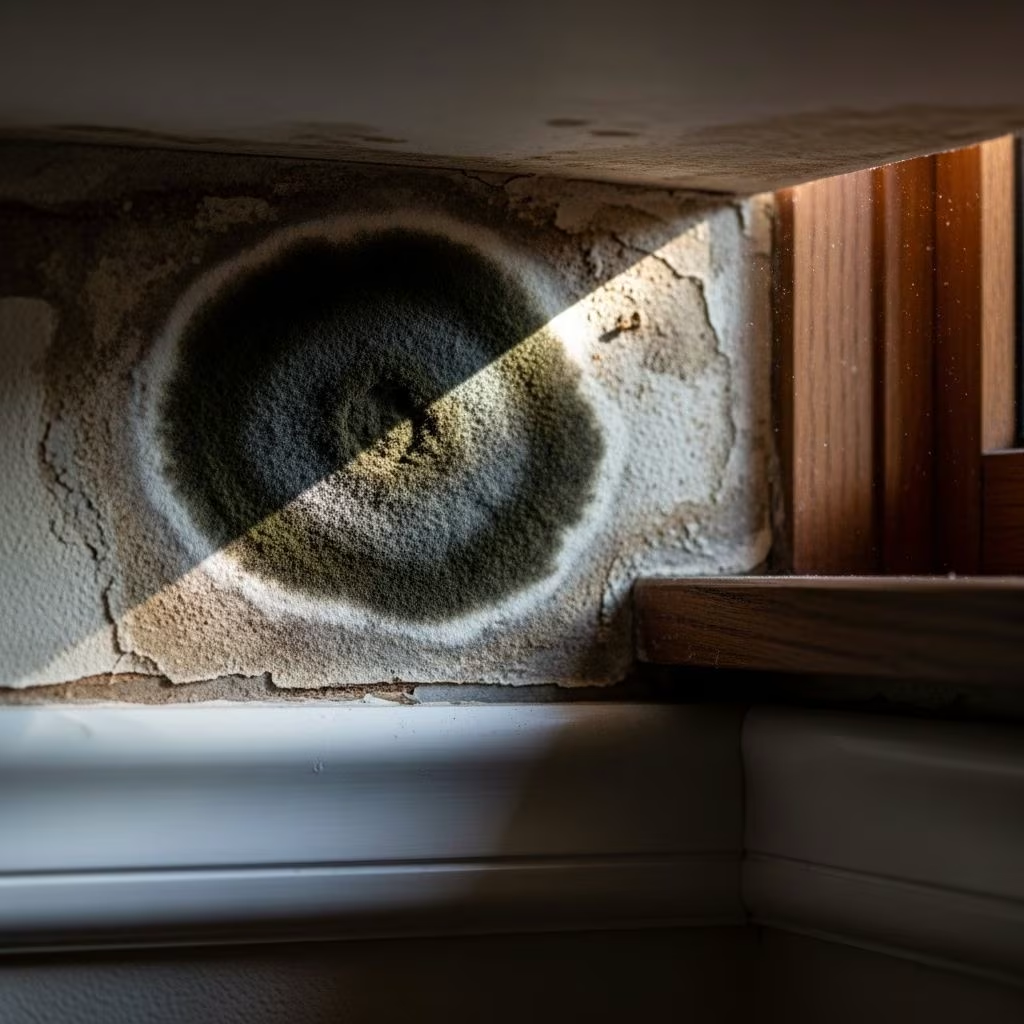
Mold growth in homes often stems from moisture issues, and understanding insurance coverage is crucial for homeowners facing remediation costs that can reach thousands of dollars. Standard policies provide limited protection, primarily for sudden incidents rather than ongoing problems.
Understanding the Basics of Mold in Insurance Policies
Mold thrives in damp environments, emerging after water exposure if not addressed promptly. Homeowners insurance policies distinguish between **sudden and accidental** water events and those caused by neglect or poor upkeep. Coverage hinges on this differentiation, with insurers scrutinizing the origin of moisture to approve claims.
For instance, a sudden pipe burst qualifies as a covered peril in most policies, potentially including mold cleanup as part of restoration efforts. In contrast, slow leaks over time fall under maintenance responsibilities, leaving homeowners to bear the full expense.
Scenarios Where Insurance Covers Mold Damage
Certain unexpected events trigger coverage for mold remediation when tied to a named peril. These include:
- Burst pipes or appliances: Sudden failures like a water heater rupture or frozen pipe cracking can lead to flooding and subsequent mold, often covered up to policy limits.
- Storm-related intrusions: Wind-driven rain entering through a broken window during a covered storm may qualify, provided drying efforts were reasonable.
- Fire suppression: Water from firefighters extinguishing a blaze can cause dampness and mold growth, typically included in fire damage claims.
Policies may cap mold payouts, such as $5,000 to $10,000 per incident, separate from general dwelling coverage. Always document the incident promptly to support claims.
Common Exclusions: When Mold Isn’t Covered
Most policies explicitly exclude mold from gradual or preventable sources. Key exclusions include:
- Long-term leaks: Dripping faucets, unsealed windows allowing chronic seepage, or neglected roof issues lead to denied claims.
- Flooding: Standard policies do not cover sewer backups, external floods, or earthquake-related water, requiring separate flood insurance which often excludes mold.
- High humidity or poor ventilation: Ongoing moisture from basements or attics without a sudden trigger remains uncovered.
- Construction defects: Mold from faulty building materials or repairs isn’t covered unless linked to a prior claim.
Neglect voids coverage, as insurers view these as homeowner duties. Flood policies from the National Flood Insurance Program explicitly omit mold remediation.
Types of Mold Claims and Payout Structures
Mold claims divide into two categories:
- First-party claims: Cover remediation for your dwelling, contents, and temporary living expenses during repairs.
- Third-party claims: Address liability if mold harms visitors, such as medical bills from exposure, often under personal liability limits.
Payouts operate on per-claim or aggregate limits. For example, some insurers like Allstate offer up to $5,000 for mold in standard policies, while others require endorsements for higher amounts. Chubb provides broader remediation in high-value policies.
| Claim Type | Coverage Example | Typical Limit |
|---|---|---|
| First-Party | Remediation after burst pipe | $5,000–$10,000 |
| Third-Party | Guest illness from mold | Liability limit (e.g., $100,000+) |
| Actual Cash Value | Content replacement minus depreciation | Varies by policy |
Enhancing Coverage with Policy Add-Ons
To bridge gaps, consider these options:
- Mold endorsements: Add $10,000–$25,000 in coverage for sudden perils, available from many insurers for modest premiums.
- Water backup coverage: Protects against sewer or sump pump failures, often including limited mold cleanup.
- Flood insurance: Through private carriers or NFIP, though mold exclusions persist in federal programs.
Review your declarations page or consult an agent to customize. In states like Texas and California, regulations may mandate offering these riders.
The Mold Remediation Process and Costs
Remediation involves inspection, containment, removal, cleaning, and restoration. Professional services cost $500–$6,000+ depending on infestation size, with insurance covering only eligible portions after deductibles.
Homeowners should:
- Contain the area to prevent spore spread.
- Document damage with photos and hire certified inspectors.
- Mitigate promptly to avoid claim denials for delayed action.
DIY is risky due to health hazards like respiratory issues from black mold (Stachybotrys).
Preventing Mold to Avoid Claims Altogether
Proactive steps reduce risks:
- Fix leaks immediately and maintain gutters/roofs.
- Use dehumidifiers in humid areas (keep below 60% RH).
- Ensure proper ventilation in bathrooms, kitchens, and attics.
- Inspect annually for hidden moisture.
Early detection via musty odors or discoloration prevents escalation. Regular home maintenance aligns with insurer expectations, minimizing disputes.
Navigating a Mold Insurance Claim
File promptly: Notify your insurer, provide evidence of the peril’s sudden nature, and get multiple remediation bids. Insurers may send adjusters to verify causes. If denied, appeal with expert reports or consider public adjusters.
Texas Department of Insurance notes coverage for sudden water but not gradual, emphasizing policy review.
State Variations and Regulatory Insights
Coverage nuances vary: California requires earthquake offers (excluding mold), while Texas limits mold to covered perils. Always check state-specific rules via departments like TDI.
Frequently Asked Questions
Does renters insurance cover mold?
Renters policies mirror homeowners, covering sudden perils but excluding maintenance issues. Landlords handle structural mold.
How long after water damage does mold appear?
Mold can grow in 24–48 hours, becoming visible in days to weeks.
Is black mold covered differently?
No, coverage depends on cause, not type—all mold follows the same rules.
Can I sue my insurer for denied mold claims?
Possible via bad faith if wrongly denied, but consult legal experts.
What’s the average mold remediation cost?
$2,000–$6,000 for small areas; larger infestations exceed $30,000.
Key Takeaways for Homeowners
Review your policy’s water and mold clauses annually. Sudden perils offer protection; neglect does not. Add endorsements for peace of mind, and prioritize prevention to protect your investment and health.
References
- Does Homeowners Insurance Cover Mold? — Progressive. 2023. https://www.progressive.com/answers/does-homeowners-insurance-cover-mold/
- How To Know If Your Homeowners Policy Covers Mold Damage — Cavender Insurance. 2024. https://www.cavenderins.com/blog/how-to-know-if-your-homeowners-policy-covers-mold-damage/
- When Does Homeowners Insurance Cover Mold? — Bankrate. 2024-03-15. https://www.bankrate.com/insurance/homeowners-insurance/does-homeowners-insurance-cover-mold/
- Mold Contamination Insurance Coverage 101: The Basics — United Policyholders. 2023. https://uphelp.org/claim-guidance-publications/mold-contamination-insurance-coverage-101-the-basics/
- Does Home Insurance Cover Mold? — Wawanesa U.S. 2024. https://www.wawanesa.com/us/blog/does-home-insurance-cover-mold
- Explaining Mold and Insurance Coverage — Mackoul Risk Solutions. 2023. https://mackoul.com/blog/explaining-mold-and-insurance-coverage/
- When are water damage and mold covered by insurance? — Texas Department of Insurance. 2024. https://www.tdi.texas.gov/tips/when-are-water-damage-and-mold-covered-by-insurance.html
This article is general information, not personal financial advice. Consider your own situation, or speak with a licensed adviser, before acting on it.


