

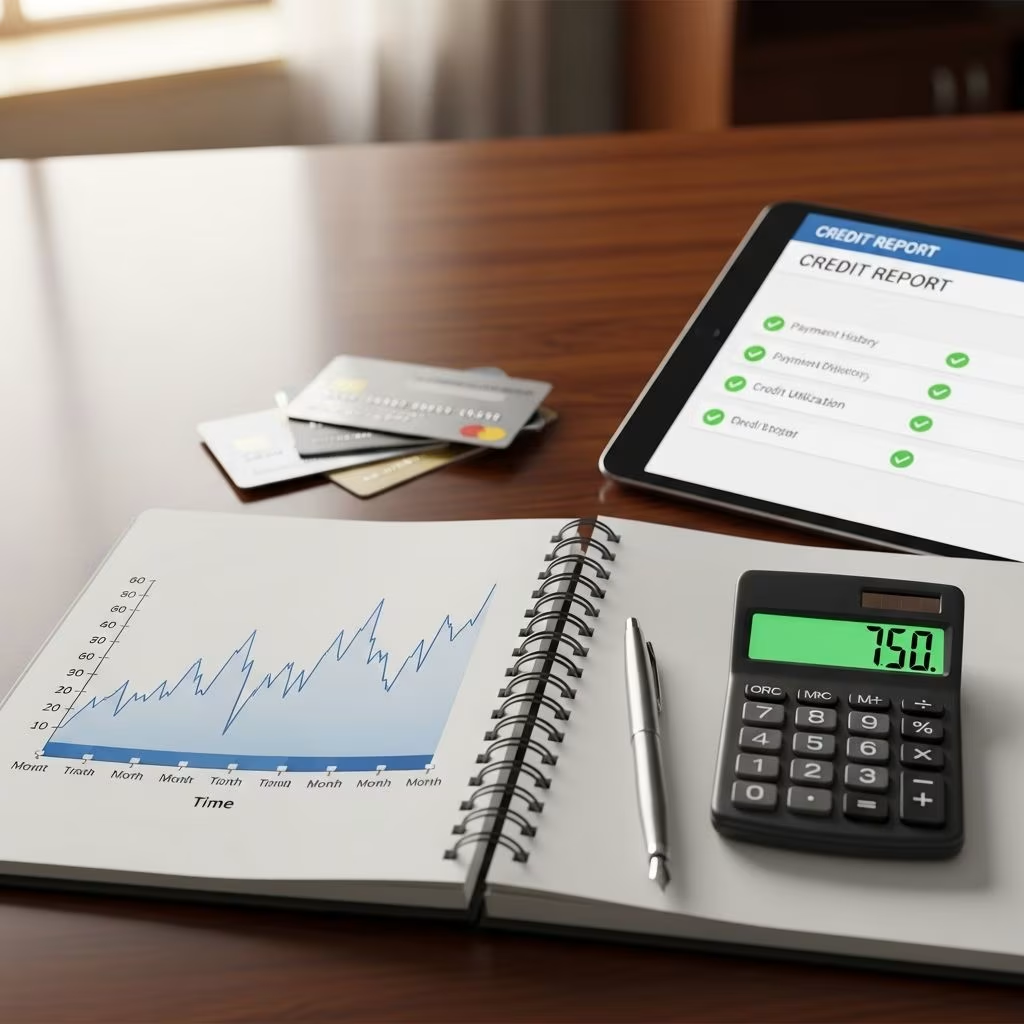
Your credit score is a dynamic number that reflects your financial behavior and can shift based on new information reaching the credit bureaus. In general, it recalculates whenever accessed, but meaningful updates align with lender reporting cycles, often monthly. Understanding this process empowers you to anticipate changes and take proactive steps.
The Mechanics Behind Credit Score Refresh Rates
Credit scores derive from data in your credit reports maintained by the three major bureaus: Experian, Equifax, and TransUnion. Lenders, including banks and credit card companies, furnish this data on their schedules, usually once per billing cycle. This means reports evolve continuously as information arrives, prompting score recalculations.
Each bureau processes updates independently. For instance, a creditor might send payment details to Experian mid-month but delay TransUnion until later. With multiple accounts, your reports could refresh several times monthly, leading to score variations across bureaus.
- Lenders report account status, balances, and payment history periodically.
- Bureaus integrate this data promptly upon receipt.
- Scores compute using models like FICO or VantageScore on the latest report snapshot.
Typical Timelines for Credit Report and Score Changes
Expect credit reports to update at least monthly, as most creditors align reports with statement closes, around the 30-45 day mark. Scores, being calculations from these reports, follow suit but can adjust daily if reports change.
| Bureau | Common Update Trigger | Frequency |
|---|---|---|
| Experian | Lender submissions | Multiple times per month |
| TransUnion | Account activity reports | Daily potential with new data |
| Equifax | Creditor cycles | 30-45 days typical |
This table illustrates general patterns; actual timing varies by your creditors. Services like Credit Karma check TransUnion and Equifax daily, reflecting even minor shifts.
Factors That Trigger Frequent Score Adjustments
Scores don’t stay static due to ongoing credit file evolution. Key triggers include:
- Payment Activity: On-time payments boost scores; delinquencies harm them immediately upon reporting.
- Balance Fluctuations: Paying down debt or new charges alters utilization ratios, a major score factor.
- New Accounts or Inquiries: Opening credit or hard pulls can cause dips, though temporary.
- Account Aging: Even without new reports, time-based factors like credit history length evolve daily.
If you hold several cards or loans, staggered reporting creates weekly or daily ripples. For example, one issuer updating on the 1st and another on the 15th means constant potential flux.
Why Scores Differ Between Bureaus and Models
A score from Experian might not match TransUnion’s due to incomplete data sharing among bureaus. Not every lender reports to all three, and timing lags exacerbate differences. Additionally, models vary: FICO emphasizes payment history (35%), while VantageScore weights utilization heavily.
Checking multiple sources reveals the full picture. Free weekly reports via AnnualCreditReport.com help spot discrepancies.
Real-World Examples of Update Patterns
Consider a consumer with three accounts:
- Month start: Mortgage lender reports to Equifax on day 1.
- Mid-month: Credit card updates Experian on day 10, showing lower balance.
- End-month: Auto loan hits TransUnion on day 25.
Result: Scores recalculate thrice monthly per bureau, with potential daily tweaks from aging data. Major actions like debt payoff reflect faster, sometimes within days.
Tools and Services for Real-Time Monitoring
Stay ahead with monitoring options:
- Credit bureau apps (e.g., Experian) for daily VantageScore views.
- Third-party platforms like Credit Karma for dual-bureau daily checks.
- Paid FICO services for precise lender-used scores.
Frequent checks don’t hurt scores, unlike pre-2000s myths. Regular reviews catch errors or fraud early.
Strategies to Stabilize and Improve Your Score
While updates are inevitable, habits minimize volatility:
- Pay bills promptly before reporting dates.
- Keep utilization under 30% by timing payments.
- Avoid new applications before big purchases.
- Use tools like Experian Boost for positive utility data inclusion.
Track progress monthly; small actions compound over cycles.
Common Misconceptions About Score Updates
Many believe scores update only quarterly—false. They’re request-driven and data-responsive. Another myth: Checking your own score dings it—no, soft inquiries are invisible to lenders.
Frequently Asked Questions
How often do credit scores truly change?
Potentially daily, but noticeable shifts occur monthly with lender reports.
Can I force an update to my score?
No, but disputing errors or adding positive data via services like Boost can prompt recalculation.
Why is my score different across bureaus?
Varied reporting timing and completeness cause variances; all are valid.
Does paying off debt instantly raise my score?
It reflects next reporting cycle, typically 30 days, though some services update faster.
Is daily monitoring necessary?
Helpful for vigilance, especially during credit-building, but weekly suffices for most.
Navigating Updates During Key Financial Moments
Before mortgages or auto loans, check all three bureaus. Lenders pull specific ones, so alignment matters. Post-update dips from inquiries are normal and recover quickly with good habits.
In summary, embrace the fluidity: Your score is a living metric. Consistent behavior yields steady gains amid the updates.
References
- How Often Is a Credit Report Updated? — Experian. 2023. https://www.experian.com/blogs/ask-experian/credit-information-is-updated-continuously/
- How Often Does Your Credit Score Update? — Credit Karma. 2024. https://www.creditkarma.com/credit/i/transunion-daily-credit-report
- How Often Is My Credit Score Updated? — Experian. 2024. https://www.experian.com/blogs/ask-experian/how-often-is-my-credit-score-updated/
- When Do Credit Scores Update? — Chase. 2023. https://www.chase.com/personal/credit-cards/education/credit-score/when-credit-scores-update
- How Often Will My Credit Scores Update? — Equifax. 2024. https://www.equifax.com/personal/education/financial-education-videos/articles/-/learn/how-often-my-credit-scores-update/
This article is general information, not personal financial advice. Consider your own situation, or speak with a licensed adviser, before acting on it.


