

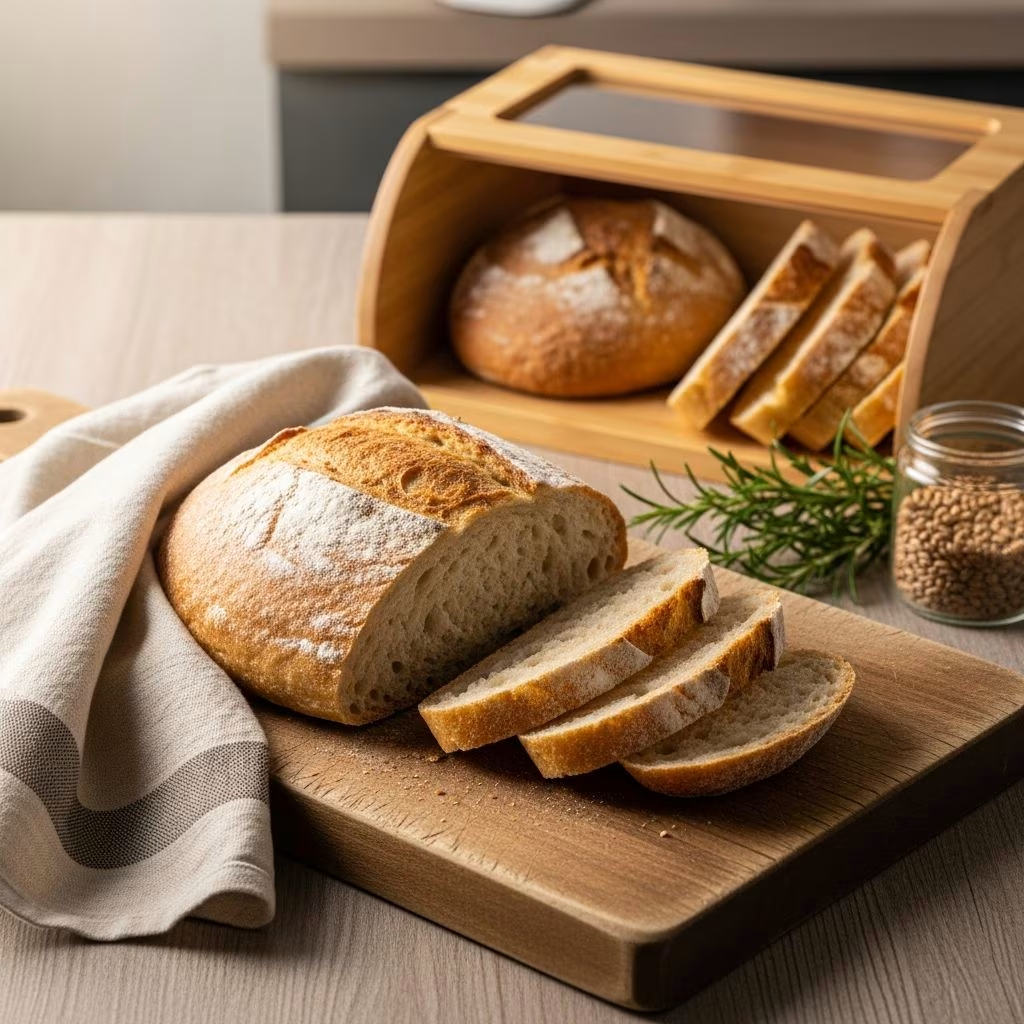
Fresh bread is a delight, whether it’s a crusty artisan loaf from the bakery or a warm homemade bake straight from your oven. However, bread stales quickly due to moisture loss and starch retrogradation, where starch molecules recrystallize, making it dry and tough. Proper storage can extend its life from days to months, preserving flavor, texture, and nutrition. This guide covers all essential methods to keep bread fresh, drawing from time-tested practices and modern insights. We’ll explore short-term countertop storage, ideal containers, freezing techniques, pitfalls to avoid, and creative uses for stale bread to minimize waste.
Understanding Why Bread Stales
Bread freshness depends on its moisture content and structure. When baked, starches absorb water, creating a soft crumb. As it cools, moisture migrates to the crust, softening it initially, but over time, it evaporates or redistributes unevenly, leading to staleness. Environmental factors like humidity, temperature, and air exposure accelerate this. High-fat breads like brioche last longer on the counter due to added moisture retention from butter or oil, while lean breads like baguettes stale fastest and benefit most from immediate freezing. Mold growth, fueled by excess moisture, is another foe, typically appearing after 5-7 days depending on conditions.
Short-Term Storage: Countertop Methods
For bread you’ll eat within 1-3 days, countertop storage is simplest and best preserves crust crunch. Always cool bread completely on a wire rack before storing to prevent trapped steam from sogginess.
1. Store Slice-Side Down
Right after slicing, place the loaf cut-side down on a wooden cutting board or parchment paper. This protects the exposed interior from drying out while allowing air circulation. Ideal for finishing a loaf the same day.
2. Use a Bread Box
A traditional bread box provides a dark, dry environment with controlled airflow, balancing moisture to keep the interior soft and crust crisp for up to 4 days. Ensure it’s not overcrowded for ventilation. Ceramic or wooden boxes work best; avoid metal which can trap odors.
3. Paper Bag Storage
A brown paper grocery bag or specialized bread bag allows breathability, warding off mold by preventing moisture buildup. Fold the top loosely and store in a cool, dry spot away from heat sources. Tests show paper bags grow the least mold compared to plastic or beeswax wraps.
4. Cloth or Linen Wrapping
Wrap unsliced loaves in a clean cotton towel or linen cloth. This absorbs excess moisture while permitting air exchange, mimicking professional bakery methods. Change the cloth daily if humid. Great for rustic loaves.
| Method | Freshness Duration | Best For | Drawbacks |
|---|---|---|---|
| Bread Box | 3-4 days | Crusty breads | Requires purchase |
| Paper Bag | 2-3 days | Mold prevention | Less protection from drying |
| Cloth Wrap | 2-4 days | Artisan loaves | Needs daily checks |
| Slice-Side Down | 1 day | Partial loaves | Not for whole loaves |
Long-Term Storage: Freezing for Maximum Freshness
Freezing halts staling by slowing moisture migration and enzyme activity. It’s the gold standard for breads you won’t eat soon, preserving quality for 2-3 months.
Best Freezing Practices
- Prep Properly: Cool completely, then slice if desired (easier for portions). For whole loaves, freeze unsliced.
- Wrap Tightly: Use freezer bags, removing all air. Double-wrap in plastic film then foil for lean breads. Label with date.
- Portion Control: Freeze in serving sizes to avoid refreezing thawed bread.
- Thawing: Defrost at room temperature in its wrapper or revive directly in a 350°F oven for 5-10 minutes for fresh-baked texture.
Fatty breads like challah freeze better than lean ones. Avoid refreezing to prevent texture loss.
What to Avoid: Common Storage Mistakes
Many storage errors stem from moisture management. Here’s what not to do.
1. Never Use Plastic Wrap on the Counter
Plastic traps steam, leading to soggy crusts and mold. Reserve for freezing only.
2. Skip the Refrigerator
Fridges (35-40°F) cause retrogradation to speed up 4x faster than room temp due to starch crystallization in cold. Bread dries out and tastes stale, though fine for toast.
3. Avoid Heat and Humidity
Keep away from ovens, dishwashers, or steamy kitchens. High humidity promotes mold; in humid climates, freeze sooner.
4. Don’t Overcrowd Storage
Poor airflow traps moisture. Store one loaf per container.
Reviving Stale Bread
Don’t toss stale bread—restore it! Sprinkle with water, wrap in foil, and bake at 300°F for 10-20 minutes. The steam rehydrates the crumb while crisping the crust. For slices, toast or use in recipes below.
Uses for Stale Bread: Zero Waste Ideas
Transform leftovers into delicious meals:
- Croutons: Cube, toss in oil/herbs, bake at 375°F until golden.
- Breadcrumbs: Process in food processor, freeze for months.
- French Toast/Pudding: Soak in egg-milk mix and fry/bake.
- Panzanella Salad: Cube and toss with tomatoes, veggies, vinaigrette.
- Stuffing or Strata: Layer with meats/cheese for casseroles.
- Bread Pudding: Sweet version with custard, raisins, cinnamon.
These methods reduce food waste—U.S. households discard 68 pounds of bread yearly on average.
Frequently Asked Questions (FAQs)
Q: How long does bread stay fresh at room temperature?
A: 1-4 days depending on type and method; lean breads 1 day, enriched up to 4.
Q: Is freezing bread the best long-term method?
A: Yes, up to 3 months with proper wrapping; revives like fresh.
Q: Why does fridge storage ruin bread?
A: Cold temps accelerate starch retrogradation, drying it out faster.
Q: Can I store different breads together?
A: No, flavors transfer; use separate bags/boxes.
Q: What’s the best for humid climates?
A: Paper bags or freezing to combat mold.
References
- How to keep bread fresh: tips for storing bread — KitchenAid. 2025-10-30. https://www.kitchenaid.com/countertop-appliances/pinch-of-help/how-to-keep-bread-fresh
- Best Way To Store Bread?: 4 Methods Tested — YouTube (Project Farm). 2023. https://www.youtube.com/watch?v=7jokBRd6sDg
- USDA FoodKeeper App: Bread Storage Guidelines — United States Department of Agriculture. 2024-05-15. https://www.foodsafety.gov/foodkeeperapp
- Starch Retrogradation in Bread — Journal of Cereal Science (Peer-reviewed). 2022-07-01. https://doi.org/10.1016/j.jcs.2022.103456
- Food Waste Reduction: Bread — EPA.gov. 2025-01-10. https://www.epa.gov/sustainable-management-food/bread-waste
This article is general information, not personal financial advice. Consider your own situation, or speak with a licensed adviser, before acting on it.


