

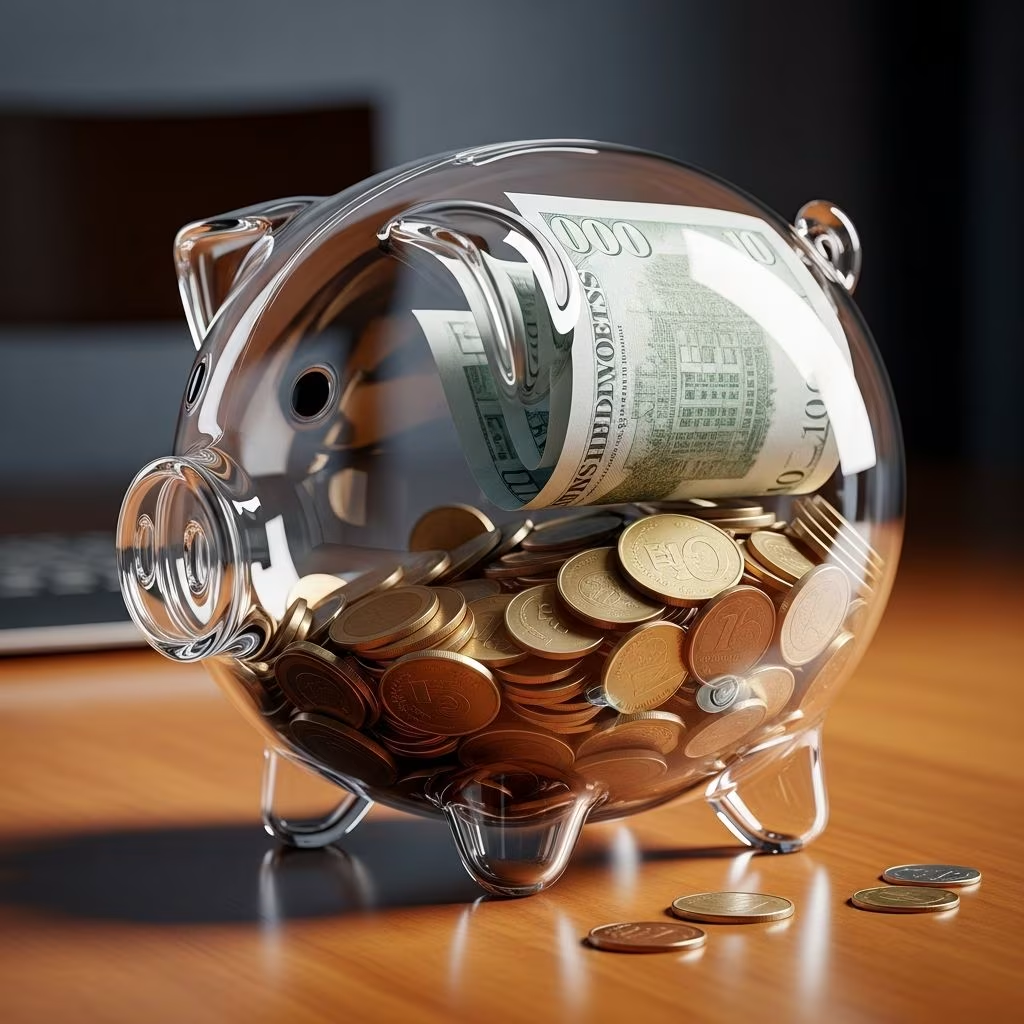
Building a robust savings habit transforms financial uncertainty into stability. By implementing structured approaches, individuals can allocate funds effectively toward future needs while enjoying current lifestyles.
Understanding Your Financial Baseline
Assessing current income and outflows provides the foundation for effective saving. Calculate take-home pay after taxes, then subtract fixed obligations such as housing, utilities, groceries, transportation, debt payments, and insurance. The surplus represents potential savings capacity.
Organize expenses into categories using spreadsheets, apps, or statements for accuracy. This visibility reveals patterns, like excessive dining out or forgotten subscriptions, enabling targeted reductions.
Defining Clear Savings Objectives
Specific targets motivate consistent action. Determine amounts needed and timelines, such as $60,000 for a home down payment in five years, equating to $1,000 monthly. Break into milestones for progress tracking.
- Short-term: Emergency fund covering 3-6 months of expenses.
- Medium-term: Vacations or vehicle purchases.
- Long-term: Retirement or education funding.
Tangible goals foster discipline, adjusting behaviors to align with deadlines.
Adopting Proven Budgeting Frameworks
The 50/30/20 guideline simplifies allocation: 50% for necessities (rent, food, bills), 30% for wants (entertainment, dining), and 20% for savings or debt reduction. This ensures essentials are covered while prioritizing growth.
| Category | Percentage | Examples |
|---|---|---|
| Needs | 50% | Housing, utilities, groceries, minimum debt payments |
| Wants | 30% | Dining out, hobbies, subscriptions |
| Savings/Debt | 20% | Emergency fund, retirement, extra debt payoff |
Adapt based on circumstances; beginners may start with 10% savings, scaling up.
Automating the Savings Process
Remove human error by scheduling transfers post-payday. Direct deposits to high-yield savings or retirement accounts ensure ‘paying yourself first.’ U.S. personal savings rate hovered around 3.9% in mid-2024, but automation boosts personal rates significantly.
Separate checking for daily use from interest-bearing savings to prevent dipping in. High-yield accounts offer better returns than traditional ones, with CDs for fixed-term commitments.
Reducing Everyday Expenditures
Small adjustments compound over time. Implement meal planning to curb impulse buys and takeout; cook in batches for lunches. Grocery lists prevent excess purchases.
- Audit subscriptions monthly, canceling unused ones.
- Switch to cash or credit limits to avoid overspending.
- Utilize libraries, free community events, and loyalty programs.
Delay non-essentials for 48 hours; often, the urge fades.
Optimizing Household and Lifestyle Costs
Lower utility bills through energy-efficient habits like LED bulbs and programmable thermostats. Shop bulk for staples, leveraging rebates.
Entertainment savings include free museum days, local concerts, and digital streaming trials. Birthday perks from retailers add freebies.
Leveraging Tools and Accounts for Growth
Apps track spending, categorize transactions, and suggest optimizations. High-yield savings suit short-term goals; diversified investments for long-term.
Refinance high-interest debt to free cash flow. Freecycle or buy-nothing groups acquire needs without cost.
Building Momentum with Incremental Wins
Start small: pack lunches thrice weekly saves hundreds monthly. Track wins to maintain motivation; periodic reviews adjust strategies.
Combine tactics—budgeting plus automation—accelerates results. Consistency outperforms intensity.
Frequently Asked Questions
How much should I save monthly?
Aim for 20% of income, starting lower if needed. Use surplus after essentials.
What’s a high-yield savings account?
An FDIC-insured account with APYs exceeding traditional savings, ideal for emergency funds.
Can I save without a strict budget?
Yes, automate transfers and track loosely via apps for gradual improvement.
How do I handle irregular income?
Base on lowest expected earnings; save windfalls fully.
Is it better to pay debt or save first?
Prioritize high-interest debt (>7%) over low-yield savings; build minimal emergency fund simultaneously.
Advanced Strategies for Savvy Savers
Once basics solidify, explore employer matches in 401(k)s, HSAs for tax advantages, or index funds. Round-up apps invest change automatically.
Negotiate bills annually; bundle services. Seasonal bulk buying with storage preserves savings.
Community swaps reduce clothing costs. Cash-back apps on essentials amplify returns without extra effort.
Monitor credit for pre-approvals on better rates. Annual financial health checks ensure alignment with evolving goals.
References
- 10 ways to start saving money – Vanguard — Vanguard. 2024. https://investor.vanguard.com/investor-resources-education/article/how-to-save
- 10 Tips to Start Saving Money Today – Intuit Blog — Intuit. 2024-05. https://www.intuit.com/blog/innovative-thinking/financial-tips/start-saving-money/
- Saving solutions 101: The beginner’s guide to saving money — UMB Bank. 2024. https://blog.umb.com/personal-banking-tips-saving-solutions-beginners-guide-saving-money/
- Simple ways to save money for the future — Bank of America Better Money Habits. 2024. https://bettermoneyhabits.bankofamerica.com/en/saving-budgeting/ways-to-save-money
- How to Save Money: 28 Ways – NerdWallet — NerdWallet. 2024. https://www.nerdwallet.com/finance/learn/how-to-save-money
This article is general information, not personal financial advice. Consider your own situation, or speak with a licensed adviser, before acting on it.


