

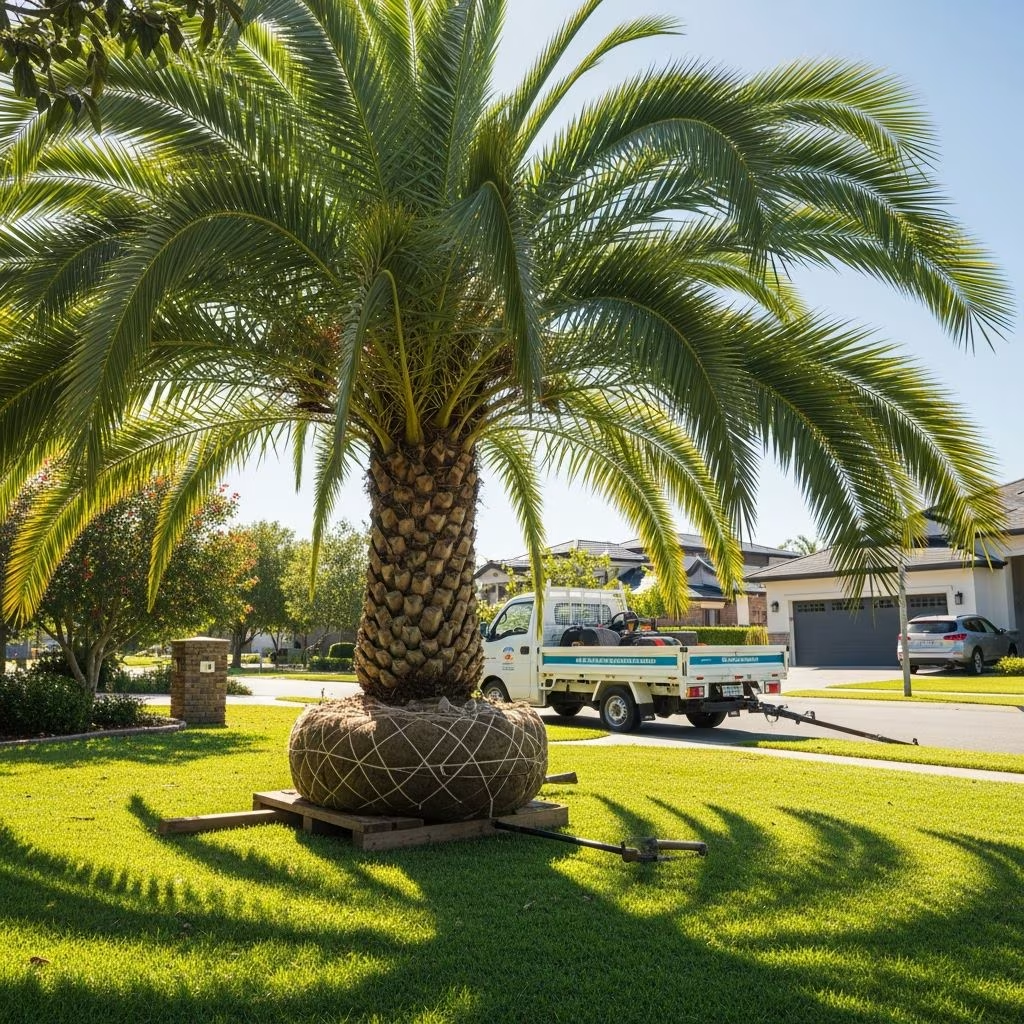
Palm trees are iconic features in warm climates like California, Florida, and the Southwest, adding tropical beauty to landscapes. However, as these trees mature, they often become high-maintenance burdens for homeowners—dropping fronds, requiring costly trimming, and sometimes invading spaces. The good news? These “nuisance” palms can be transformed into a source of substantial cash, fetching anywhere from a few hundred to several thousand dollars each when sold to nurseries, landscapers, hotels, golf courses, or palm enthusiasts.
Selling mature palms isn’t just a pipe dream; real homeowners have done it successfully. For instance, one individual received an offer of around $1,500 for palms in their front garden, while others list 20-60 foot specimens on marketplaces like Craigslist, attracting buyers willing to pay premium prices for relocation. Retail values for premium species like Canary Island Date Palms can reach several hundred dollars per foot, meaning a healthy 20-foot tree might retail for $4,000 or more—though sellers typically receive 30-70% of that after digger fees.
This comprehensive guide covers everything you need to know: assessing feasibility, identifying valuable species, navigating regulations, finding buyers, and closing the deal. Whether you have towering 50-foot giants or mid-sized specimens, you could be sitting on untapped money in your yard.
Step 1: Determine If Removal Is Feasible
Before dreaming of dollar signs, confirm that selling (and thus removing) your palm is practical and legal. Many urban areas have strict tree protection ordinances to preserve canopy cover, green space, and environmental benefits. Removing a large palm without a permit could result in fines exceeding $1,000—or even jail time in extreme cases.
- Check local regulations: Contact your city’s planning or public works department, or search online for “[your city] tree removal permit.” Homeowner associations (HOAs) may also restrict removals. In California, for example, coastal zones and certain municipalities require arborist reports.
- Assess site access: Palm diggers use cranes, trucks, and specialized equipment. If your tree is crammed between structures, under power lines, or in a tight backyard without yard access, removal may be impossible or prohibitively expensive. Ideal candidates have at least 20-30 feet of clear space around the trunk.
- Tree health check: Buyers want healthy, established trees. Inspect for pests (e.g., palm weevils), diseases (like Fusarium wilt), or trunk damage. Diseased trees have zero value and may need professional disposal.
Pro tip: Take measurements of clear height, distance to obstacles, and trunk diameter at breast height (DBH, 4.5 feet up). This info helps diggers provide accurate quotes.
Step 2: Identify Your Palm Species and Estimate Value
Not all palms are created equal. Common varieties like Mexican Fan Palms (Washingtonia robusta) flood the market and often have little to no resale value because digging costs ($500+) exceed what buyers will pay ($200-400 retail for small ones). Focus on rarer, desirable species that command high prices from landscapers seeking instant tropical vibes.
Use these steps to ID and value your trees:
- Photograph details: Snap clear shots of the trunk, fronds, crown, and overall height. Note trunk texture (smooth, fibrous, ringed?), frond shape (fan, feather?), and fruit/seeds.
- Identify species: Consult free online guides like Phil Bergman’s Jungle Music Palms & Cycads species list for Southern California (junglemusic.net). Common valuable types include:
- Canary Island Date Palm (Phoenix canariensis): Gold standard; $200-500/ft retail. 20ft = $4,000-$10,000.
- Pygmy Date Palm (Phoenix roebelen): Compact, popular for poolsides.
- Queen Palm (Syagrus romanzoffiana): Feathery, fast-growing.
- Triangle Palm (Dypsis decaryi): Exotic blue-green; high demand.
- Mexican Blue Palm: Rare, striking color.
- Estimate worth: Retail prices are 2-3x what you’ll net. Factor in digger cut (40-60%). A 25ft Canary might net $1,500-3,000; 60ft giants up to $10,000+.
| Species | Height Range | Retail Value per Foot | Typical Seller Net (est.) |
|---|---|---|---|
| Mexican Fan Palm | 20-60ft | $10-20 | $0-200 (often not worth it) |
| Canary Island Date | 15-30ft | $200-500 | $1,000-5,000 |
| Queen Palm | 10-25ft | $100-300 | $500-2,000 |
| Triangle Palm | 15-25ft | $150-400 | $800-3,000 |
Sellers report: “I have 4 triangle palms 20-25 feet” and “2 very large canary date palms… 60ft tall each” listing for best offers, with hotels/golf courses as prime buyers.
Step 3: Find Reputable Buyers and Digger Services
Once confirmed valuable and removable, shop around. Palm diggers (specialized tree movers) handle excavation, root balls, transport, and often buy outright or connect you to nurseries.
- Local searches: Google “palm tree digger [your city]” or “palm nursery buy trees.” In SoCal, companies like Palm Professionals specialize in buying/reselling homeowner palms.
- Online marketplaces: Post photos on Craigslist, Facebook Marketplace, or niche sites like ips.com and sellapalm.com. Include height, species, access details, and contact info. Example ads: “4 Mexican Fan Palms, 20ft tall, easy access, good price!”
- Landscapers & big buyers: Hotels, golf courses, and developers seek mature specimens for instant impact. Retailers like Home Depot rarely buy, but local nurseries do.
- Get multiple quotes: Expect 3-5 bids. Digger fees: $500-2,000 for small trees, up to $5,000+ for giants. Negotiate splits if they resell.
Real example: Homeowners in Paramount, CA, and Hemet, CA, listed 20-60ft palms with phone contacts, drawing quick interest.
Negotiating the Sale and Removal Process
Buyers handle logistics, but know the drill:
- Site visit: Pros inspect in person.
- Contract: Specifies price, who pays what, timeline (1-2 days typically).
- Removal day: Crane lifts tree with root ball (key for survival). Transport to buyer site; 90% transplant success if done right.
- Payment: Cash or check post-removal. Stump grinding extra (~$200-500).
Avoid scams: Verify licenses/insurance. Check reviews on Yelp/Google.
Real Seller Stories and Tips
- “We got offered $1500… glad we kept them, but interesting!”
- “8 big palm trees… 25 feet tall.” Hotels buy them.
- “Two 40-50ft palms… like to sell.”
- Pro from Palm Professionals: List on sellapalm.com for tips.
Frequently Asked Questions (FAQs)
Q: What if I have common Mexican Fan Palms?
A: Low value; labor often exceeds worth. Consider free removal services or stump-only deals.
Q: How much do diggers charge?
A: $500-5,000 based on size/access. They may buy outright to offset.
Q: Can I sell in non-tropical states?
A: Demand lower, but possible for exotics. Focus on warm regions.
Q: What’s the best height for selling?
A: 15-30ft sweet spot; taller riskier/more expensive.
Q: Do I need to trim before selling?
A: Yes, neat trees fetch more. Remove dead fronds.
Final Thoughts: Cash Your Canopy
Selling palms turns yard headaches into windfalls. Start with ID and regs—many overlook this goldmine. With quotes in hand, you could pocket $1,000s effortlessly. Questions? Local extension services or forums help.
References
- Tree Ordinances and Permits — California Department of Forestry and Fire Protection (CAL FIRE). 2024-01-15. https://www.fire.ca.gov/what-we-do/natural-resource-management/tree-mortality
- Palm Species Identification and Valuation Guide — University of California Agriculture and Natural Resources (UCCE). 2023-06-10. https://ucanr.edu/sites/UrbanHort/Palms/
- Palm Tree Transplantation Techniques — International Society of Arboriculture (ISA). 2025-03-20. https://www.isa-arbor.com/Publications/TreeCareInfo/PalmTransplant.aspx
- Urban Forestry Regulations in California — USDA Forest Service. 2024-11-05. https://www.fs.usda.gov/managing-land/urban-forests
- Palm Market Trends and Pricing — Florida Department of Agriculture and Consumer Services. 2025-01-08. https://www.fdacs.gov/Agriculture-Industry/Pests-and-Diseases/Palm-Protection
This article is general information, not personal financial advice. Consider your own situation, or speak with a licensed adviser, before acting on it.


