

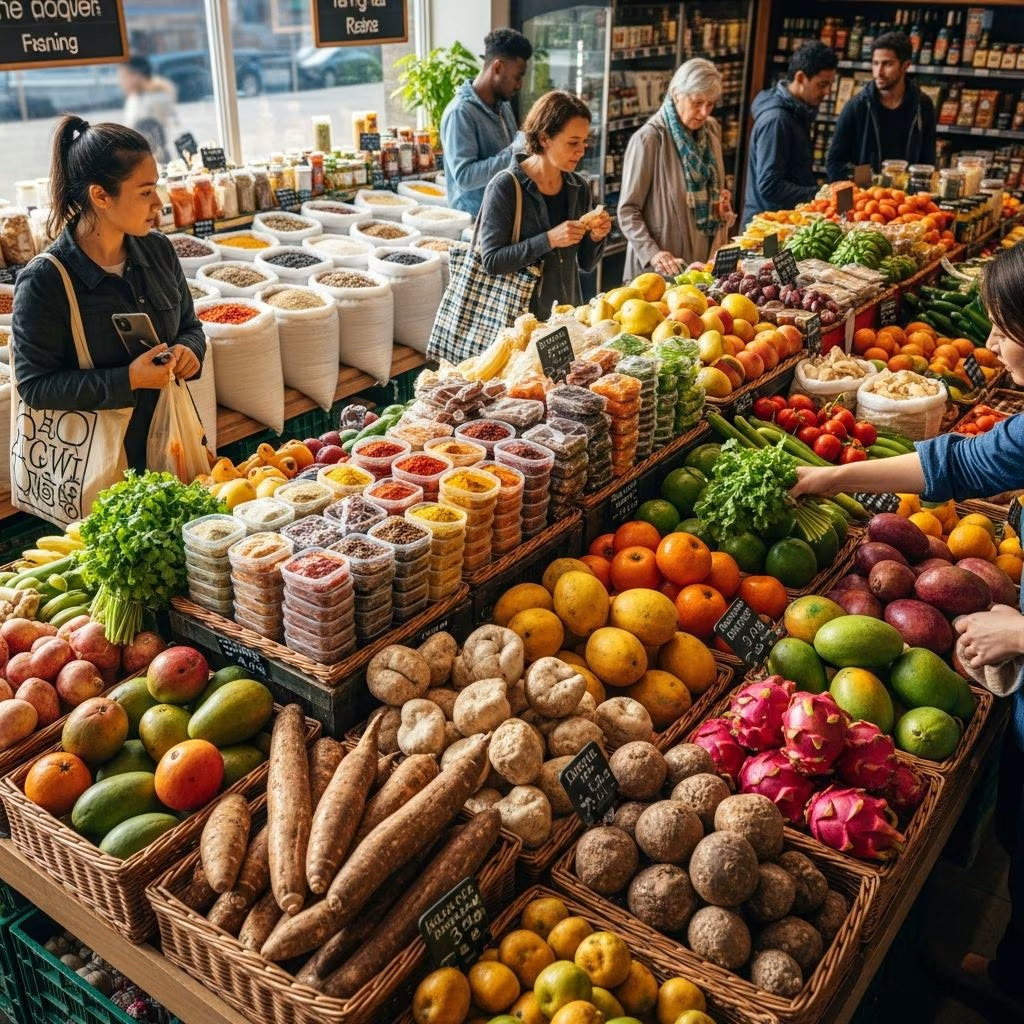
Ethnic grocery stores, often tucked into neighborhoods and boasting vibrant signs in multiple languages, offer more than just specialty items—they’re goldmines for budget-savvy shoppers. These markets stock pantry staples like rice and beans in bulk, a wide array of meats and fish, and produce that’s not only cheaper but frequently fresher than at chain supermarkets. Amid shelves lined with unfamiliar labels, you’ll discover ingredients that stretch your dollar further while introducing exciting flavors from around the world.
Whether you’re driving home from work or picking up the kids from school, these local gems are worth a visit. No extra gas costs if they’re on your route, and the savings can be substantial. During shortages like the early pandemic bean crisis, ethnic markets like Latin supermarkets remained stocked with essentials—and even toilet paper. This guide explores how to maximize savings at these stores, from stocking up on basics to exploring fresh sections and embracing their no-frills charm.
How to Shop Ethnic Grocery Stores and Save on Food
Transitioning your grocery routine to include ethnic markets starts with awareness. Notice the Asian, Latin, Indian, Middle Eastern, or Caribbean stores in your area. They’re not just for cultural authenticity; their business model—direct supplier connections, lower overhead, and community focus—translates to everyday low prices on high-quality food.
Stock Up on Pantry Staples
Pantry staples are the perfect entry point for newcomers to ethnic shopping. Rice, beans, pasta, canned goods, and condiments come in bulk sizes at fractions of chain store prices. When major grocers ran out of shelf-stable items early in the pandemic, Latin markets had plenty, teaching many shoppers the value of these spots.
Buy large bags of rice or dried beans to stretch your budget—perfect for meal prepping or family feeding. Spices are another win: Forget $5 blends at big stores; ethnic markets offer scotch bonnet peppers, za’atar, or garam masala for pennies. A 28-ounce bottle of sriracha might cost $2.68 here versus nearly $5 elsewhere.
- Rice and grains: Jasmine, basmati, or long-grain varieties in 20-pound sacks for under $15.
- Beans and legumes: Canned or dried black beans, lentils, chickpeas—buy in bulk for soups, salads, or rice bowls.
- Spices and sauces: Fresh curry pastes, fish sauce, soy varieties, and chili oils at rock-bottom prices.
- Noodles and grains: Rice noodles, udon, or quinoa alternatives from wheat, rice, or other flours.
To get started, browse cookbooks, food blogs, or apps for recipes using these ingredients. Make a targeted list to recreate takeout favorites like pad Thai or biryani at home, saving hundreds on dining out while building cooking skills. Don’t hesitate to ask staff—they’re often eager to share tips on usage or recipes.
Find Fresh Food for Less
The real magic happens in the produce, meat, and seafood sections. Ethnic markets prioritize items their communities love, leading to fresher, cheaper options you won’t find packaged neatly at chains. Chinese markets pile high with pea shoots, bok choy, water spinach, and thin celery for stir-fries, alongside familiar kale and chard—all at lower prices.
Logistics play a role: Smaller producers and frequent deliveries mean fresher stock. In New York’s Chinatown, connections to local farms keep prices down, as noted in a Wall Street Journal piece—produce and meats cost less without fancy packaging. Handwritten price tags and minimal advertising further cut costs passed to you.
Meats shine too. Skirt steak for carne asada abounds at Mexican markets when chains run short. Adventurous eaters find oxtail, octopus, or Korean-style ribs—fresh, high-quality, and often locally raised at sale-like prices. Live fish tanks offer peak freshness; point to your pick for on-site filleting.
| Item | Ethnic Market Price (Avg.) | Chain Store Price (Avg.) | Savings Example |
|---|---|---|---|
| Bok Choy (1 lb) | $1.00 | $2.50 | 60% less |
| Skirt Steak (1 lb) | $4.99 | $7.99 | 38% less |
| Fresh Greens Mix (1 lb) | $1.50 | $3.00 | 50% less |
| Live Tilapia (per lb) | $3.50 | $6.00 | 42% less |
Produce-forward diets in Asian and Latin cultures mean these items are priced attractively. You’ll pay less for valued staples without big-box gimmicks like 10-for-$10 yogurt deals. Ask other shoppers if puzzled—communities are welcoming.
No Frills Is a Good Thing
Ethnic markets’ simplicity is their strength. Small spaces mean lower rent, family staffing cuts payroll, and direct sourcing skips middlemen. No glossy labels or ad budgets—prices are scrawled on stickers, savings go to you.
This aligns with “shop small” ethos: Support independents while scoring deals. Larger ethnic chains offer variety, but mom-and-pop spots can undercut them. Extended families running shops keep operations lean, reflecting in every low price tag.
Beyond food, explore bakery items, sweets, frozen dim sum, or snack aisles bursting with global treats. An Asian market might have dozens of noodle types, sauce mixes from Vietnam to Indonesia, all reasonably priced for home brunches or snacks.
Why Ethnic Markets Beat Chain Stores
Chain grocers focus on mass appeal with high-markup packaged goods. Ethnic stores cater to specific communities, buying what sells in volume at wholesale rates. Frequent small deliveries ensure freshness; you’re buying from suppliers who prioritize quality over shelf life.
During economic squeezes, these markets thrive—less waste, no lavish displays. A trip feels adventurous: Unfamiliar greens challenge you to cook anew, turning savings into culinary wins. I’ve restocked on everything from sriracha to skirt steak, always under budget.
Tips for First-Time Shoppers
- Go with a plan: Research one cuisine weekly via blogs or YouTube for ingredients and recipes.
- Start small: Grab rice, a spice, and one produce item to experiment.
- Engage: Chat with staff or shoppers for authenticity—many share family recipes.
- Check smaller stores: They sometimes beat big ethnic supermarkets on price.
- Seasonal savvy: Prices dip on cultural staples during festivals.
Overhead like rent and staffing directly impacts prices. Family-run operations minimize costs, letting them offer premium fish or meats cheaper. It’s economic and cultural immersion in one.
Frequently Asked Questions (FAQs)
Q: Are ethnic grocery stores more expensive than chains?
A: No, they often undercut chains on staples, produce, and meats due to lower overhead and direct sourcing. Bulk buys amplify savings.
Q: Is the food safe and fresh?
A: Yes—frequent deliveries and community focus ensure top freshness, often surpassing chains. Live seafood and local meats are highlights.
Q: What if I don’t know how to use the ingredients?
A: Use apps, blogs, or ask staff/shoppers. Start with familiar recipes tweaked with market finds like bok choy in stir-fries.
Q: Can I find everyday items like milk or bread?
A: Many stock mainstream basics plus specialties, but pair with chains for dairy if needed. Focus on strengths: produce and proteins.
Q: Are these stores only for specific cuisines?
A: No—Asian, Latin, Indian, etc., all offer crossovers like cheap rice/beans. Explore varieties for best deals.
Embrace the Adventure
Shopping ethnic markets saves money and sparks joy. From pandemic-proof staples to mind-blowing produce varieties, these stores redefine grocery runs. Lower prices on high-quality food mean more home cooking, less takeout. Support local businesses, expand your palate, and watch your budget thank you. Next trip, venture into that unfamiliar aisle—you might discover your new favorite meal.
References
- Shop an Ethnic Grocery Store to Save Money and Expand Your Palate — Money Talks News. 2020-01-01. https://www.moneytalksnews.com/slideshows/shop-an-ethnic-grocery-store-to-save-money-and-expand-your-palate/
- Shop at Ethnic Grocery Stores for Good Deals and Fresh Food — The Penny Hoarder. 2023-05-15. https://www.thepennyhoarder.com/save-money/ethnic-grocery-store/
- How to Save Money on Food at Ethnic Markets — Premeditated Leftovers. 2022-08-10. https://premeditatedleftovers.com/deals-money-saving-tips/ethnic-markets-fascinating-food-fantastic-bargains/
This article is general information, not personal financial advice. Consider your own situation, or speak with a licensed adviser, before acting on it.


