

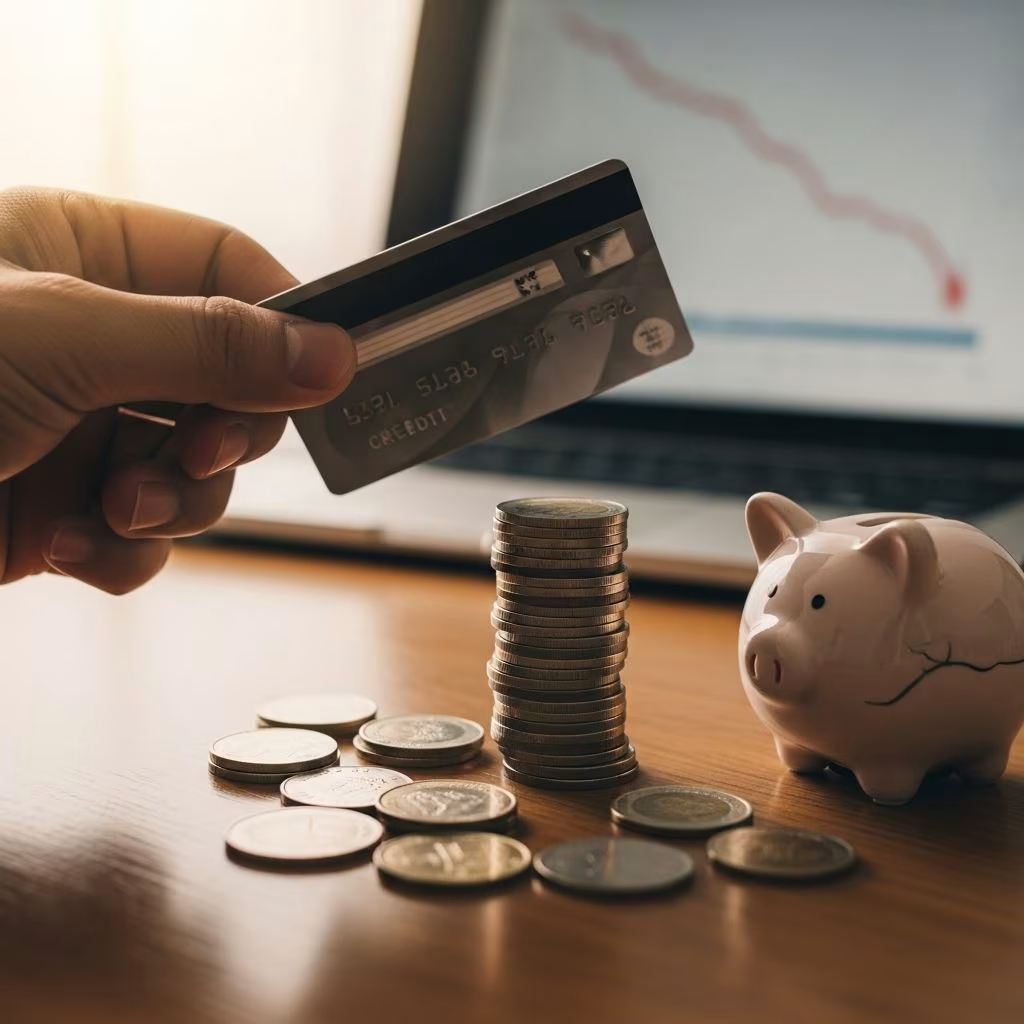
Feeling like your money disappears as soon as you get paid is frustrating and discouraging. You work hard, but somehow your account balance never reflects that effort. The good news is that learning how to stop spending money unnecessarily is a skill, not a personality trait. With the right focus areas and a few simple systems, you can start keeping more of what you earn and redirecting it toward the things that really matter.
This guide walks you through key problem areas where people commonly overspend, practical steps to reduce unnecessary purchases, and habits that help you stay in control for the long term.
How To Stop Spending Money: 5 Key Focus Areas
When you are trying to stop overspending, it is easier to start with a few specific categories instead of attempting to fix everything at once. Many people leak money in the same places:
- Eating out and uneaten food
- Clothing and accessories
- Expensive coffee
- Unnecessary things
- Credit cards
By targeting these areas, you can quickly free up cash and gain confidence that change is possible. Research shows that food away from home is one of the largest flexible expenses for many households, often exceeding groceries, especially for younger adults. Small purchases like coffee and impulse buys also add up significantly over time.
1. Eating Out And Uneaten Food
Restaurants, takeout, delivery fees, and food waste can quietly consume a large portion of your income. Studies in the U.S. and Europe find that households waste 20–30% of the food they purchase, which means you are literally throwing money away. At the same time, meals prepared outside the home typically cost far more than home-cooked options.
Why this category drains your money
- Frequent takeout and delivery add service charges and tips on top of already higher food prices.
- Buying groceries without a plan often leads to spoiled food that never gets eaten.
- Grabbing snacks or meals when you are tired, stressed, or hungry encourages impulse choices rather than intentional spending.
Practical ways to spend less on food
- Plan simple meals: Create a basic weekly meal plan using ingredients you can reuse across recipes to minimize waste.
- Cook in batches: Prepare larger portions and freeze leftovers to avoid last-minute takeout.
- Set an eating-out limit: Decide in advance how many times per week you will eat out and your maximum budget.
- Use a grocery list: Shop with a list and avoid browsing aisles you do not need.
- Store food properly: Learn simple food storage techniques to keep produce fresh longer and reduce waste.
| Habit | Result |
|---|---|
| Ordering takeout 3–4 times a week | High recurring food costs plus delivery and service fees |
| Cooking at home most weekdays | Lower overall food spending and more control over portions |
| Shopping without a list | Food waste and duplicate items you never use |
| Meal planning and list-based shopping | Less waste and predictable grocery costs |
2. Clothing And Accessories
Clothing, shoes, and accessories are another common overspending area. They are closely tied to emotions, identity, and social pressure, which can make it easy to justify purchases you do not truly need.
Why clothing spending gets out of control
- Sales and promotions create urgency and fear of missing out.
- Social media encourages you to keep up with new trends.
- Shopping is sometimes used as a way to cope with stress or boredom.
Strategies to rein in clothing and accessory costs
- Build a capsule wardrobe: Focus on versatile pieces that mix and match so you need fewer items overall.
- Use the “one in, one out” rule: For every new item you bring home, choose one to sell, donate, or give away.
- Unsubscribe from marketing emails: Reduce exposure to flash sales and constant temptation.
- Delay purchases: Wait a few days before buying non-essential clothing to see if you still want it.
- Set a monthly clothing budget: Decide on a specific amount and track every purchase against it.
3. Expensive Coffee
A single coffee shop drink may not feel like a big deal, but buying it daily can add up to hundreds or even thousands per year. For many people, coffee runs are more about routine and comfort than necessity.
Why coffee spending sneaks up on you
- It feels like a small, harmless treat.
- It is tied to socializing, commuting, or work breaks.
- Subscription coffee or app-based ordering makes it fast and frictionless.
Ways to cut back without feeling deprived
- Make coffee at home: Invest in a basic setup (like a French press or drip machine). This can dramatically reduce the per-cup cost.
- Limit café visits: Choose specific days of the week for coffee shop visits instead of going daily.
- Downsize your order: Opt for a smaller size or simpler drink if you still want the experience.
- Use rewards intentionally: If you have a loyalty program, plan how you will use rewards rather than letting them encourage extra spending.
4. Unnecessary Things
Unnecessary purchases include impulse buys, décor you do not need, extra gadgets, or “just in case” items that rarely get used. These purchases clutter both your home and your finances.
Examples of unnecessary spending
- Buying items because they are on sale, not because you need them.
- Picking up snacks, trinkets, or small accessories while waiting in line.
- Upgrading working items (like electronics) just for newer features, not necessity.
How to reduce spending on unnecessary items
- Use a waiting period: Create a 24–72 hour rule before buying non-essential items.
- Shop with a list: Whether online or in-store, buy only what is on your list.
- Declutter regularly: Seeing how much unused stuff you already own can reduce the urge to buy more.
- Track impulse purchases: Keep a short log of unplanned buys to understand patterns.
5. Credit Cards
Credit cards can be useful tools, but they also make it much easier to overspend. Research consistently shows that people tend to spend more when using cards instead of cash, partly because it feels less painful than handing over physical money.
How credit cards encourage overspending
- Delayed payment disconnects the purchase from the cost.
- Rewards programs can justify extra purchases that are not necessary.
- Minimum payments make it easy to carry balances and pay interest.
Steps to control credit card spending
- Remove cards from your wallet: Store them in a safe place at home so you do not use them for everyday spending.
- Delete saved cards from online accounts: Increase friction by requiring yourself to enter card details manually each time.
- Use credit only for planned expenses: For example, a specific recurring bill you pay in full each month.
- Pay more than the minimum: Avoid carrying balances and accumulating high-interest debt.
- Consider cutting up cards: If you find yourself repeatedly relapsing into overspending, destroying the physical cards can help you pause while you rebuild better habits.
Foundational Strategies To Help You Stop Overspending
Beyond specific categories, certain core strategies make it much easier to stop spending money you do not have and stick to your intentions.
Use Cash For Daily Spending
Using cash creates a natural boundary: once it is gone, you cannot spend more without consciously deciding to get more cash. Behavioral research also indicates that paying with cash increases your awareness of cost and reduces impulse purchases compared to cards.
- Set a weekly cash amount for variable categories like groceries, personal spending, or entertainment.
- Keep your card separate and use it only for essential fixed bills if needed.
- Track how long your cash lasts and adjust the amount or your habits if you consistently run out early.
Track Your Expenses
It is almost impossible to change what you do not measure. Tracking your spending helps you see where your money really goes and which areas to prioritize.
- Use an app, spreadsheet, or notebook to log every purchase, even small ones.
- Review weekly to identify patterns, such as days when you spend more or categories that surprise you.
- Compare spending to your income to make sure you are not regularly exceeding what you earn.
Know What Triggers Your Spending
Overspending is rarely random. It is linked to specific situations, emotions, places, and people. Understanding your personal triggers allows you to plan ahead instead of reacting in the moment.
Common spending triggers
- Shopping with certain friends who like to browse and buy.
- Scrolling social media and seeing influencer recommendations or lifestyle content.
- Walking through malls or big stores when you are bored or stressed.
- Emotional states like sadness, anxiety, or excitement.
How to manage your triggers
- Change your environment: Avoid window-shopping or visiting stores “just to look.”
- Adjust your social media feed: Unfollow or mute accounts that constantly make you want to buy.
- Prepare for emotional spending: Create a list of non-spending activities (walks, calls with friends, hobbies) you can choose when you feel triggered.
- Use cash only when with certain people: If you overspend with particular friends, bring cash and leave cards at home.
Give Yourself Time Before Buying
Impulsive decisions are one of the biggest causes of overspending. Adding a delay between wanting something and buying it gives your rational side time to catch up.
- Try the 24-hour rule for smaller non-essential purchases.
- Use a 3–7 day waiting period for more expensive or long-term items.
- Keep a “want list”: Write down things you want to buy and review the list once a week to see which items still matter.
Cut Up Your Credit Cards (If Necessary)
If you find that you cannot stop relying on credit cards despite your best efforts, more drastic action may be appropriate. Cutting up your cards can help create a strong barrier while you build better habits and work on paying off existing balances.
- Shred physical cards but keep account details saved in a secure place if you need them for debt repayment.
- Turn off card details in apps to prevent quick, thoughtless purchases.
- Focus on a repayment plan to gradually eliminate your credit card debt while avoiding new charges.
Expert Tip: Focus On Improving Your Habits
Stopping overspending is less about perfection and more about consistent habits. Financial behaviors, like many other behaviors, are shaped over time and can be changed through small, repeated actions.
- Check your accounts regularly: Look at your balances a few times a week so you stay aware and engaged.
- Automate good decisions: Set up automatic transfers to savings or debt payments right after payday.
- Review progress monthly: Celebrate wins, note challenges, and adjust your plan instead of giving up.
FAQs About How To Stop Spending Money
How can I reduce my mindless spending?
Mindless spending usually happens when you are not fully considering a purchase before you make it. To reduce it:
- Set a simple rule like “no purchases over a certain amount without a 24-hour wait.”
- Check your budget before buying to confirm you can afford it.
- Ask yourself if the item is a need or a want, and whether it aligns with your bigger financial goals.
- Limit situations where you tend to browse or shop out of habit.
How do I stop spending money for 30 days?
A short-term reset like a 30-day no-spend challenge can help you break patterns and see what is truly essential.
- Define what counts as a necessary expense (rent, utilities, groceries, basic transportation, medication, etc.).
- Commit to not buying anything outside of those essentials for 30 days.
- Tell a friend or partner about your challenge for accountability.
- Plan low- or no-cost activities to replace shopping or dining out.
- At the end of the month, review how much you saved and what you learned.
Why can’t I stop spending money?
There are many reasons you might struggle to stop spending money: habits built over time, emotional spending, social pressure, easy access to credit, or a lack of clear financial goals. The key is to recognize that this is a behavioral challenge, not a personal failure.
- Identify your main triggers and problem categories.
- Use tools like cash, tracking, and waiting periods to create boundaries.
- Consider finding an accountability partner to check in with regularly.
- If spending feels uncontrollable or is linked to deeper emotional issues, consider speaking with a financial counselor or therapist.
Start Working On How To Stop Spending Money Randomly
Changing how you spend does not happen overnight, but every small step makes a difference. Start by choosing one or two categories—like eating out and unnecessary shopping—and focus only on those for the next month. As you see progress, you will build confidence and motivation to tackle more areas.
Remember:
- Your spending is a reflection of your habits, not your worth.
- Habits can be changed, especially when you make the process simple and specific.
- The money you save from stopping random spending can be redirected toward savings, debt repayment, or goals that matter deeply to you.
By identifying patterns, addressing your triggers, and using practical tools like cash, tracking, and challenges, you can move from feeling out of control with money to intentionally directing it. That shift can transform not just your bank account, but your sense of security and your future options.
References
- Food Expenditure Series — U.S. Department of Agriculture, Economic Research Service. 2024-04-30. https://www.ers.usda.gov/data-products/food-expenditure-series/
- Food-away-from-home — U.S. Bureau of Labor Statistics, Consumer Expenditure Surveys. 2023-09-08. https://www.bls.gov/cex/tables.htm
- Financial well-being: A conceptual model and new measures — Consumer Financial Protection Bureau. 2015-01-27. https://www.consumerfinance.gov/reports/financial-well-being/
- Household Food Waste: Multivariate Regression and Decomposition Analysis of the Role of Household Characteristics, Attitudes, and Behaviors — Koivupuro et al., Resources, Conservation and Recycling. 2012-02-01. https://doi.org/10.1016/j.resconrec.2011.11.008
- The Effect of Credit Cards on Household Debt — Zinman, Journal of Banking & Finance. 2009-07-01. https://doi.org/10.1016/j.jbankfin.2008.12.017
- Always Leave Home Without It: A Further Investigation of the Credit-Card Effect on Willingness to Pay — Prelec & Simester, Marketing Letters. 2001-02-01. https://doi.org/10.1023/A:101140371Emergency
This article is general information, not personal financial advice. Consider your own situation, or speak with a licensed adviser, before acting on it.


