

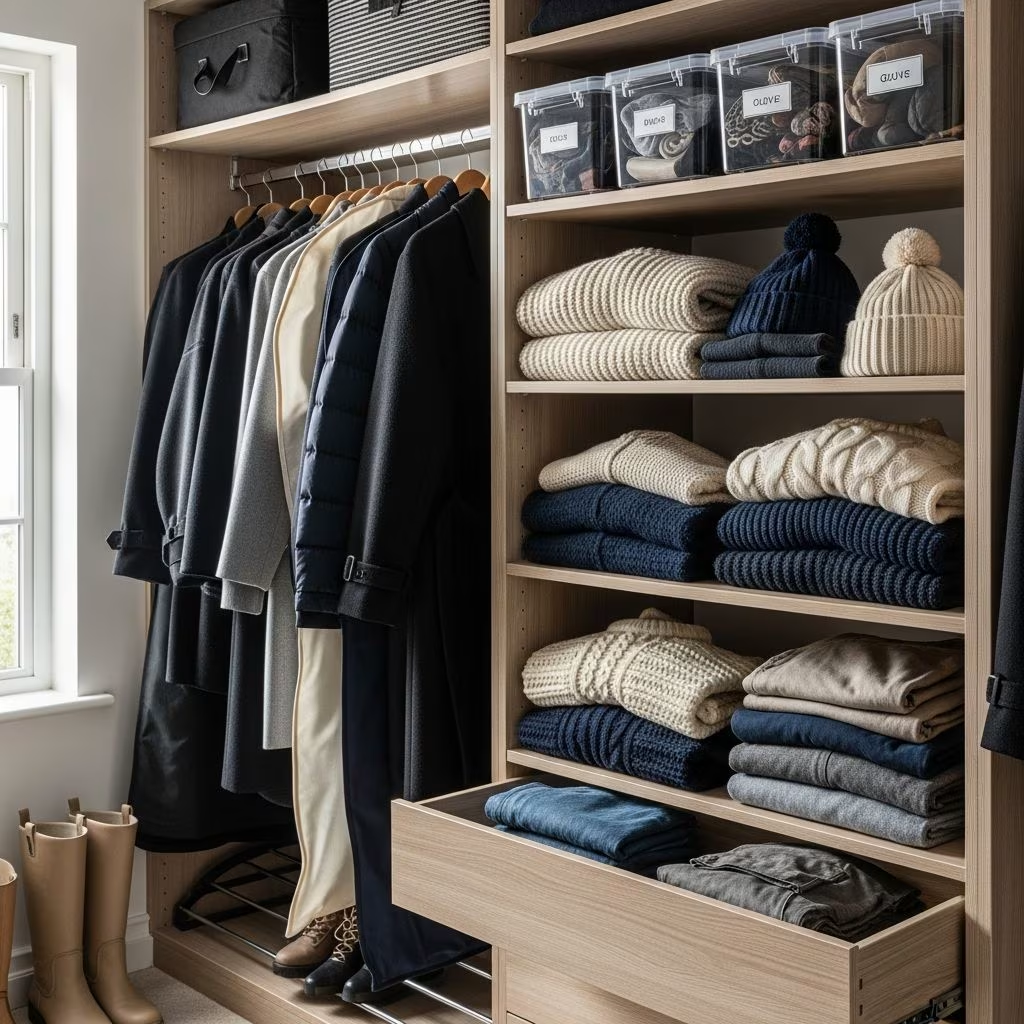
Storing winter clothes properly at the end of the season is essential for preserving your wardrobe’s quality and freeing up valuable closet space for summer essentials. With the right preparation and techniques, you can prevent damage from moths, moisture, and dust while saving money on replacements. This guide covers everything from cleaning to ideal storage spots, drawing on expert-recommended methods to keep your coats, sweaters, boots, and accessories in top shape for next winter.
Why Proper Storage Matters
Improperly stored winter gear can lead to stretched sweaters, musty odors, mold growth, or pest infestations, costing you hundreds in dry cleaning or replacements. Clean, dry storage in the right environment extends fabric life and maintains shape, ensuring your investments last seasons longer. For instance, natural fibers like wool and cashmere are prone to stretching on hangers, while synthetics may trap moisture if sealed poorly.
By decluttering first and using breathable containers, you’ll maximize space—vacuum bags can compress bulky coats by up to 80%—and make unpacking effortless come fall.
Step 1: Clean and Prep Your Winter Clothes
Before boxing up, every item must be spotless to avoid attracting pests or setting stains. Wash or dry clean coats, sweaters, pants, and shirts according to labels—wool items often need gentle cycles or professional care. Air-dry fully to prevent mildew, then inspect for loose buttons, tears, or worn areas. Repair now to avoid bigger issues later.
Declutter ruthlessly: Donate or sell unworn pieces. Ask if you’ve worn it twice this winter or if it fits your current style. This cuts storage needs by 30-50% and refreshes your wardrobe.
- Wash heavy coats and jackets if machine-safe; otherwise, spot-clean and air out.
- Sweaters: Hand-wash knits in cold water with wool-safe detergent.
- Boots and shoes: Wipe interiors with a vinegar solution to neutralize odors.
- Scarves and hats: Gentle wash and reshape while damp.
Step 2: Choose the Right Storage Supplies
Select containers that protect without trapping moisture. Plastic bins with tight lids shield against dust and bugs in dry areas; breathable cotton or canvas bags suit humid spots like basements. Avoid cardboard, which attracts insects, and over-rely on vacuum bags—they crush structured items like suits.
Cedar blocks or lavender sachets naturally repel moths without chemicals. Acid-free tissue paper prevents creases and color bleeding.
| Item Type | Best Container | Avoid | Tips |
|---|---|---|---|
| Bulky sweaters/coats | Vacuum bags or large plastic bins | Wire hangers | Layer heaviest first |
| Suits/dresses | Breathable garment bags | Vacuum compression | Hang on padded hangers |
| Shoes/boots | Shoe boxes or bags with stuffers | Stacking loose | Stuff with paper |
| Delicates (scarves) | Cotton bins with tissue | Plastic bags | Roll loosely |
Step 3: How to Fold, Hang, and Pack Each Item
Tailor methods to garment type for shape retention. Fold knits flat to avoid stretching; hang structured pieces.
Sweaters and Knits
Never hang— they’ll stretch irreversibly. Fold neatly: lay flat, smooth arms across, fold in thirds vertically, then horizontally. Stack heaviest at bin bottom in plastic or cotton boxes.
Coats and Jackets
For heavy coats, use sturdy padded hangers in breathable garment bags. Lightweight ones can fold into bins with tissue between layers. Sturdy shoulder guards preserve shape.
Pants, Skirts, and Shirts
Hang pants from cuffs to prevent creases; use skirt hangers by waistband. Fold shirts like sweaters or hang on wooden/plastic hangers—avoid foam or wire.
Dresses and Delicates
Garment bags with hanger loops for support. Wrap in acid-free tissue before binning.
Boots, Shoes, and Accessories
Stuff with acid-free paper or toilet rolls to hold shape. Use under-bed boxes or hanging bags—never stack. Leather condition first; store belts rolled.
Step 4: Pick the Perfect Storage Spot
Ideal spots maintain 60-70°F and 40-50% humidity: closets, under beds, or bedroom bins. Avoid attics (heat extremes), basements (dampness), or garages (pests/cold). Climate-controlled units work for overflow.
- Dark and cool: Prevents fading and dry rot.
- Accessible: Label bins (e.g., ‘Winter Sweaters – Size M’).
- Ventilated: Breathable fabrics over plastic for long-term.
Step 5: Prevent Pests, Odors, and Damage
Moths love wool—use cedar, lavender, or cedar sprays. Silica packets absorb moisture; check quarterly for issues. Rotate air occasionally.
Avoid sunlight (fades colors), overcrowding (creases fabrics), and plastic over-breathables for naturals.
Step 6: Label and Organize for Easy Access
Color-code bins: blue for tops, yellow for bottoms. Inventory lists inside lids speed unpacking. Store by frequency: most-worn on top.
Common Storage Mistakes to Avoid
- Storing dirty clothes—invites bugs.
- Vacuuming delicates—crushes feathers/fur.
- Cardboard boxes—pest magnets.
- Hot/humid spots—causes mildew.
- Forgetting checks—small issues snowball.
Maintenance During Storage
Inspect every 3 months: air out, refresh cedar, remove any musties. This prevents surprises.
Frequently Asked Questions (FAQs)
Can I use vacuum bags for all winter clothes?
No, only bulky non-structured items like sweaters. Avoid for coats or suits to prevent shape loss.
How long can I store clothes before unpacking?
Up to 9 months safely if conditions are ideal. Check periodically.
What’s best for leather jackets and boots?
Condition first, then breathable bags. Stuff boots; avoid plastic.
Do cedar blocks really work against moths?
Yes, their oils repel naturally. Refresh annually.
Under-bed storage: yay or nay?
Yay for plastic bins—dust-proof and space-saving.
References
- Seasonal Clothing Storage – Tips — Speed Queen. 2023. https://staging.speedqueen.com/scoop-blog/laundry-room/tips/seasonal-clothing-storage/
- How to Store Off-Season Clothes — Complete Closet Design. 2024. https://completeclosetdesign.com/blog/seasonal-storage-tips
- Best Fabric and Clothing Storage Ideas — The Storage Center. 2024. https://thestoragecenter.com/blog/best-fabric-and-clothing-storage-ideas/
- How to Store Winter Clothes: The 2026 Guide — Minify Self Storage. 2026-01-01. https://www.minifyselfstorage.com/blog/Storing-Winter-Clothes
- How to Properly Keep Clothes in Storage — HeySunday. 2024. https://www.heysunday.com/blog/how-to-store-clothes
This article is general information, not personal financial advice. Consider your own situation, or speak with a licensed adviser, before acting on it.


