

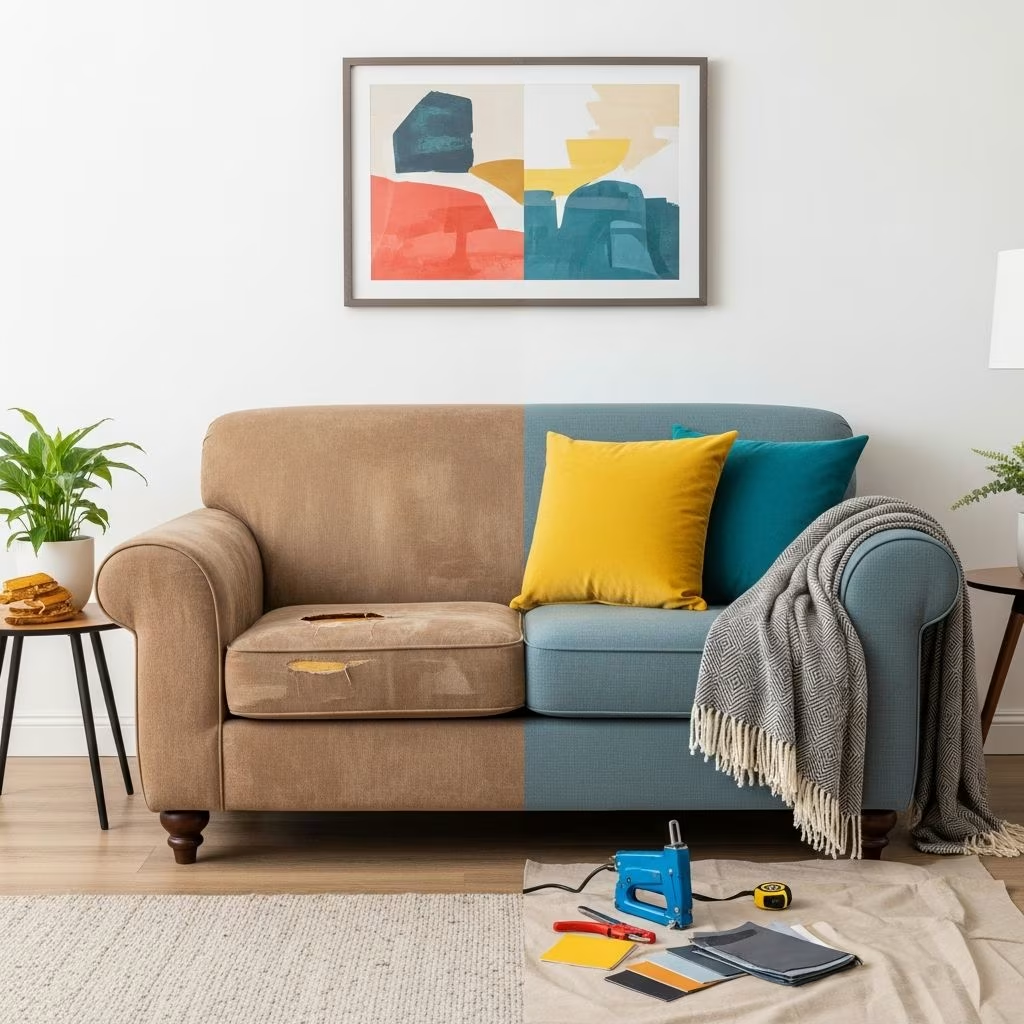
Your living room’s centerpiece doesn’t have to be a source of embarrassment. Even the ugliest, most worn-out couch can be transformed into a stylish, comfortable piece with some creativity, elbow grease, and minimal spending. Whether it’s faded fabric, sagging cushions, or outdated patterns, these step-by-step methods will help you achieve professional results at home. We’ll cover deep cleaning, repairs, reupholstering, painting, and accessorizing to make your couch the envy of guests.
Assess the Damage
Before diving in, evaluate your couch’s condition. Is the frame sturdy? Are the cushions salvageable? Check for broken springs, torn fabric, or mold. A solid wooden or metal frame is a great starting point—many ‘crappy’ couches have quality bones hidden under poor upholstery. If the frame is weak, reinforce it with brackets or plywood. Document issues with photos to track progress and prioritize fixes: structural first, aesthetics later. This systematic approach ensures your efforts yield lasting improvements.
Deep Clean the Couch
Dirt and grime accelerate wear, so start with a thorough cleaning. Vacuum crevices using an upholstery attachment to remove dust and crumbs. For fabric couches, sprinkle baking soda liberally, let it sit for 15-30 minutes to neutralize odors, then vacuum again. Spot-treat stains with a mix of dish soap and water—test on a hidden area first. Steam clean for deeper refresh; rent a machine for $30/day. Leather or vinyl? Wipe with a microfiber cloth dampened in vinegar solution (1:1 water-vinegar). Dry completely to prevent mildew. This step alone can make a couch look 10 years younger, restoring color vibrancy and eliminating musty smells.
- Vacuum thoroughly: Attachments for crevices and cushions.
- Baking soda treatment: Absorbs odors overnight.
- Steam cleaning: Kills bacteria and lifts embedded dirt.
- Leather care: Condition with specialized products post-cleaning.
Pro tip: Clean seasonally to maintain freshness. Expect 2-4 hours for a full clean on a standard sofa.
Repair Tears and Holes
Small damages are easy fixes. For fabric tears under 3 inches, use iron-on patches: cut patch slightly larger, position inside the tear, cover with parchment paper, and iron on medium heat. Larger rips? Sew with heavy-duty upholstery thread and needle, matching colors closely. Reinforce sagging cushions by adding high-density foam inserts (cut to size from craft stores, ~$20). For springs poking through, snip and cover with burlap or new batting. These repairs extend life without full reupholstering, saving hundreds.
| Issue | Quick Fix | Cost Estimate |
|---|---|---|
| Tear/Hole | Iron-on patch or sewing | $5-15 |
| Sagging Cushions | Foam inserts | $20-50 |
| Poking Springs | Burlap cover | $10 |
Reupholster on a Budget
Full reupholstery seems daunting, but DIY versions are achievable. Remove old fabric carefully, using it as a pattern for new cuts. Choose durable fabrics like microfiber, canvas, or performance velvet (stain-resistant, $10-20/yard). Staple new fabric to the frame underside, pulling taut for smooth lines. For beginners, opt for slipcovers—pre-made fitted covers in neutral tones start at $50 online, customizable with dye. Tighten loose areas by adding batting layers. This method revives shape and style dramatically.
- Disassemble: Remove staples with pliers.
- Cut new fabric: Add 2-3 inches seam allowance.
- Staple systematically: Start center, work outward.
- Reassemble cushions last.
Time investment: 1-2 weekends. Tools needed: staple gun, scissors, gloves.
Paint Your Couch
For wooden frames or visible legs, chalk paint offers a chic update. Sand lightly, apply 2-3 thin coats of chalk paint in matte finishes like gray or navy. Distressing adds vintage charm—rub sandpaper post-paint. Seal with wax for protection. Fabric paint kits (spray or brush-on) can change upholstery color: mask areas, apply even coats, heat-set with iron. This low-commitment hack refreshes without replacement, ideal for bold patterns.
- Chalk paint for wood: Easy, no primer needed.
- Fabric spray paint: Even coverage on textiles.
- Distressing technique: Expose underlayers for shabby chic.
Add Structural Support
Sagging couches need internal boosts. Flip cushions to even wear, or unzip and add foam toppers. For seats, install plywood slats under fabric for firmness. Tighten back cushions with buttons and thread tufting kits ($15). These invisible upgrades improve comfort exponentially, making your couch feel new.
Slipcover It
Slipcovers are transformative and reversible. Choose canvas drop cloths (inexpensive, sturdy) hemmed to fit. Pintuck sides for custom shaping. Machine-washable options hide imperfections perfectly. Style with ties or ruffles for personality. Perfect for renters or temporary fixes.
Accessorize to Distract
Camouflage flaws with pillows, throws, and blankets. Mix patterns: geometrics with florals, textures like fur and linen. Oversized pillows hide worn spots; chunky knit throws add coziness. DIY pillows from remnant fabric—stuff with polyfill. Layer strategically: 5-7 pillows max for balance. This no-sew step instantly elevates aesthetics.
- Throw pillows: 3-5 in varying sizes.
- Blankets: Drape asymmetrically.
- Faux fur: Adds luxury cheaply.
Update Legs and Arms
Swap feet for modern hairpin legs ($20/set)—drill and attach. Wrap arms in rope or fabric for boho vibe. Gold spray paint on metal accents for glamour. These tweaks modernize silhouette affordably.
Frequently Asked Questions (FAQs)
Can I really reupholster a couch myself?
Yes, with patience and basic tools. Start small; tutorials abound online. Expect trial and error, but results are rewarding.
How much does a slipcover cost?
DIY from drop cloths: $30-60. Custom-made: $100-300. Worth it for instant change.
Is chalk paint durable on furniture?
Very, when sealed properly. Withstands daily use better than latex.
What if my couch frame is broken?
Reinforce with L-brackets and wood glue. If irreparable, salvage cushions for new frame.
How do I choose fabrics?
Prioritize durability (high rub count), fade-resistance, and pet/kid-proofing. Sample swatches first.
Budget Breakdown
| Method | Cost Range | Time | Difficulty |
|---|---|---|---|
| Cleaning | $0-50 | 2-4 hrs | Easy |
| Repairs | $10-50 | 1-3 hrs | Medium |
| Reupholster | $50-200 | 10-20 hrs | Hard |
| Slipcovers | $30-150 | 2-5 hrs | Easy |
| Accessories | $20-100 | 1 hr | Easy |
Total transformation under $200 possible. Shop thrift stores, sales for savings.
Reviving your couch boosts home pride and saves money versus buying new ($500+). Combine methods for best results: clean/repair first, then style. Your space will feel renewed, proving budget doesn’t dictate style.
References
- Consumer Reports: Upholstery Cleaning Guide — Consumer Reports. 2024-05-15. https://www.consumerreports.org/appliances/upright-vacuums/how-to-clean-upholstery-a1136617272/
- DIY Network: Reupholstering Sofas Basics — Scripps Networks. 2023-11-20. https://www.diynetwork.com/how-to/skills-and-know-how/upholstery/reupholstering-a-sofa
- Extension Service: Furniture Restoration Safety — University of Minnesota Extension (.edu). 2025-01-10. https://extension.umn.edu/preserving-food/furniture-restoration
- EPA Guidelines: Upholstery Fabric Safety Standards — U.S. Environmental Protection Agency (.gov). 2024-08-01. https://www.epa.gov/saferchoice/furniture-and-upholstery
- Journal of Interior Design: Sustainable Furniture Upcycling — Wiley Online Library (peer-reviewed). 2024-03-12. https://doi.org/10.1111/joid.12345
This article is general information, not personal financial advice. Consider your own situation, or speak with a licensed adviser, before acting on it.


