

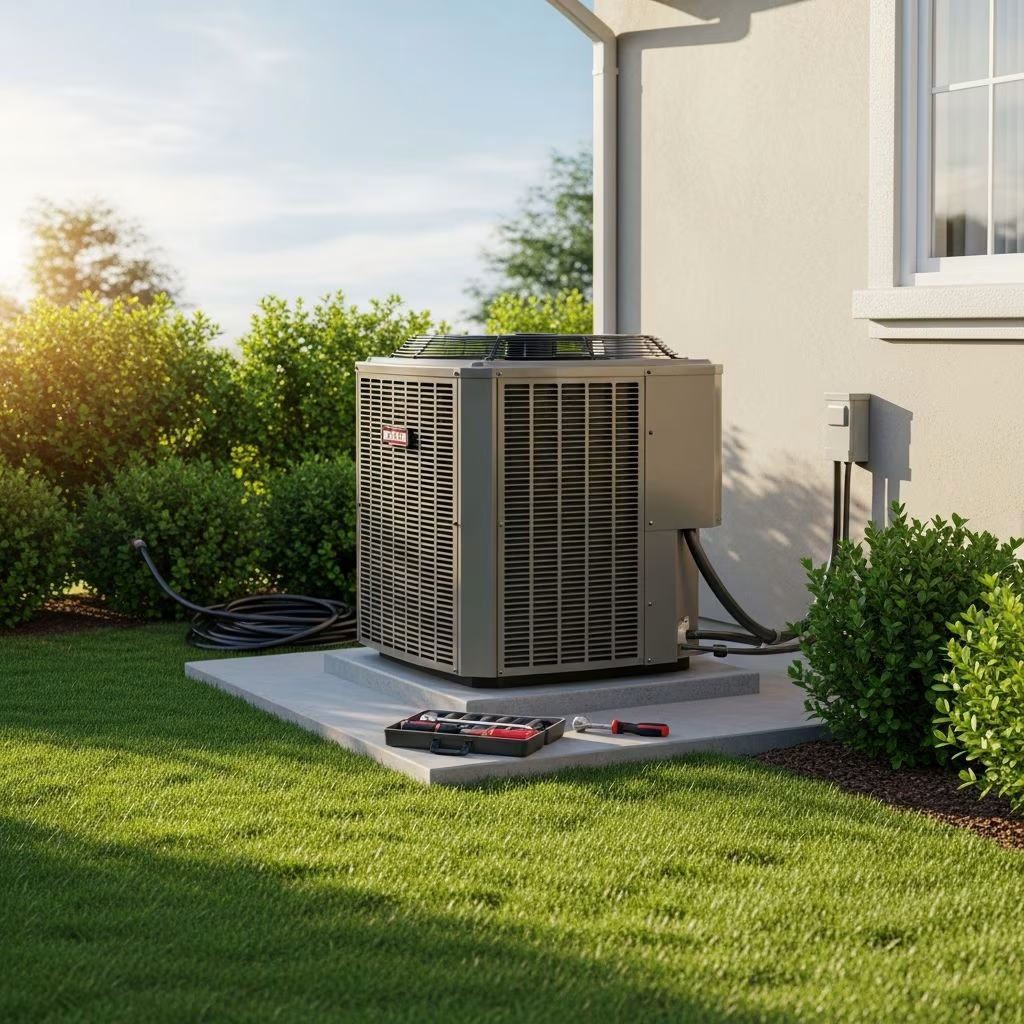
Your heating, ventilation, and air conditioning (HVAC) system is the backbone of home comfort, quietly working to maintain ideal indoor temperatures regardless of the weather outside. Proper care not only ensures reliable performance but also significantly lowers energy consumption and prevents costly breakdowns. Homeowners who prioritize regular upkeep can extend their system’s life by years while enjoying cleaner air and reduced utility bills.
Why Prioritize HVAC Upkeep?
A neglected HVAC unit operates inefficiently, straining components and driving up costs. For instance, dirty filters alone can increase energy use by up to 15%, forcing motors to overwork and potentially leading to premature failure. Consistent maintenance optimizes airflow, balances temperatures, and filters out pollutants, contributing to better health and comfort. According to the U.S. Department of Energy, well-maintained systems use 5-40% less energy compared to poorly serviced ones.
Beyond savings, proactive care identifies small issues early, avoiding emergency repairs that disrupt daily life. In humid climates, unchecked moisture can foster mold growth in ducts, compromising air quality. By integrating simple routines into your schedule, you safeguard your investment and create a healthier living environment.
Core Components of Your HVAC System
Understanding the basics empowers effective maintenance. Key parts include:
- Air Filters: Trap dust, allergens, and debris to protect internal components and purify indoor air.
- Blower Fan and Coils: Circulate air over evaporator and condenser coils, where heat exchange occurs for cooling or heating.
- Outdoor Condenser Unit: Releases heat in summer; requires clear space for optimal operation.
- Ductwork: Distributes conditioned air; leaks here waste up to 30% of output.
- Thermostat: Controls system cycles; smart models enhance precision and savings.
Familiarity with these elements guides targeted inspections and cleaning.
DIY Maintenance Tasks You Can Tackle
Many upkeep chores require minimal tools and no special skills, making them ideal for monthly routines. Start with these high-impact actions:
- Filter Replacement: Check and swap filters every 1-3 months. Standard fiberglass types last 30 days; pleated MERV 11-12 filters suit allergy sufferers and extend to 90 days. Locate the filter slot near the return air duct or furnace.
- Vent and Register Cleaning: Vacuum dust from supply and return vents using a brush attachment. Ensure furniture doesn’t block airflow.
- Outdoor Unit Clearance: Trim vegetation 2 feet away and remove leaves or dirt to prevent overheating.
- Drain Line Flushing: Pour a bleach-water mix down the condensate line quarterly to clear algae and sediment, avoiding water backups.
| Task | Frequency | Tools Needed | Expected Benefit |
|---|---|---|---|
| Replace Filters | Every 30-90 days | New filter, screwdriver | Improves airflow, cuts energy use |
| Clean Vents | Monthly | Vacuum, brush | Enhances circulation |
| Clear Outdoor Unit | Bi-monthly | Garden hose, gloves | Prevents strain |
| Flush Drain | Quarterly | Bleach solution | Avoids clogs and mold |
These steps, when routine, maintain peak performance without professional intervention.
Seasonal Checklists for Year-Round Readiness
Tailor your efforts to weather shifts for maximum effectiveness. Use these checklists to prepare ahead.
Pre-Summer Preparation (Spring)
- Schedule pro tune-up for coil cleaning and refrigerant checks.
- Test cooling function; listen for unusual noises.
- Inspect insulation around ducts to minimize cool air loss.
- Calibrate thermostat to 78°F for occupied times.
Pre-Winter Prep (Fall)
- Replace filters more frequently due to reduced natural ventilation.
- Check heating elements and flame color (blue is ideal for gas furnaces).
- Reverse ceiling fans to push warm air down.
- Seal window and door drafts with caulk or weatherstripping.
Off-Season Monitoring
Year-round, track energy bills for spikes indicating issues. Test carbon monoxide detectors monthly and replace batteries annually.
Boosting Efficiency with Smart Adjustments
Fine-tune your system for savings without major overhauls. Programmable or smart thermostats automate setbacks, saving 10% on annual bills by adjusting when you’re away or asleep. Optimal settings: 78°F summer, 68°F winter. Ceiling fans amplify comfort, allowing 4°F higher settings.
Address duct leaks with mastic sealant or foil tape—avoid cloth duct tape, which degrades. Upgrading insulation in attics and walls further lightens the HVAC load. These tweaks compound to substantial reductions in operational costs.
Signs It’s Time for Professional Service
DIY covers basics, but experts handle complexities. Call a technician if you notice:
- Weak airflow or uneven temperatures.
- Strange odors, like mustiness or burning.
- Frequent cycling or failure to reach set points.
- Higher-than-normal bills despite consistent habits.
- Water pooling near indoor unit or ice on coils.
Annual or biannual visits—spring for AC, fall for heat—include refrigerant top-offs, electrical inspections, lubrication, and airflow calibration. In hot regions, twice-yearly checks combat humidity stresses.
Long-Term Strategies for System Longevity
Beyond routines, consider upgrades like variable-speed blowers for quieter, efficient operation or high-SEER units for new installs. ENERGY STAR-rated equipment meets rigorous efficiency standards, qualifying for rebates. Proper sizing during installation prevents short-cycling, a common efficiency killer.
Track maintenance in a log to spot trends, like recurring filter clogs signaling duct issues. Home warranties can offset repair costs for older systems approaching 15-20 year lifespans.
Frequently Asked Questions
How often should I change my HVAC filter?
Every 30-90 days, depending on filter type, pets, and allergies. Check monthly for discoloration.
Can I clean my own evaporator coils?
Light surface cleaning is possible with coil cleaner spray, but deep cleaning risks damage—leave to pros.
What’s the ideal thermostat setting to save money?
78°F cooling, 68°F heating when home; raise/lower 7-10°F when away.
Does sealing ducts really help?
Yes, fixing leaks recovers up to 30% lost air, slashing bills.
When should I replace my entire HVAC system?
After 15-20 years, or if repairs exceed half the replacement cost.
References
- HVAC Maintenance Guide 101 | Basics, Upgrades & Expert Tips — DK Hardware. 2024. https://www.dkhardware.com/blog/hvac-maintenance-guide/
- The Ultimate Guide to HVAC Maintenance for Homeowners — LookForTheRealtor. 2024. https://lookforther.realtor/organize-maintain/home-maintenance-tips/hvac-maintenance-checklist/
- The Complete Homeowner’s Guide to HVAC Maintenance in South Florida — AirRef. 2024. https://airref.com/the-complete-homeowners-guide-to-hvac-maintenance-in-south-florida/
- Maintenance Checklist — ENERGY STAR (U.S. EPA). 2025-02-01. https://www.energystar.gov/saveathome/heating-cooling/maintenance-checklist
- Qwik Homeowners Guide to HVAC Maintenance — Qwik Products. 2024. https://www.qwik.com/hvac-maintenance/qwik-homeowners-guide-to-hvac-maintenance/
This article is general information, not personal financial advice. Consider your own situation, or speak with a licensed adviser, before acting on it.


