

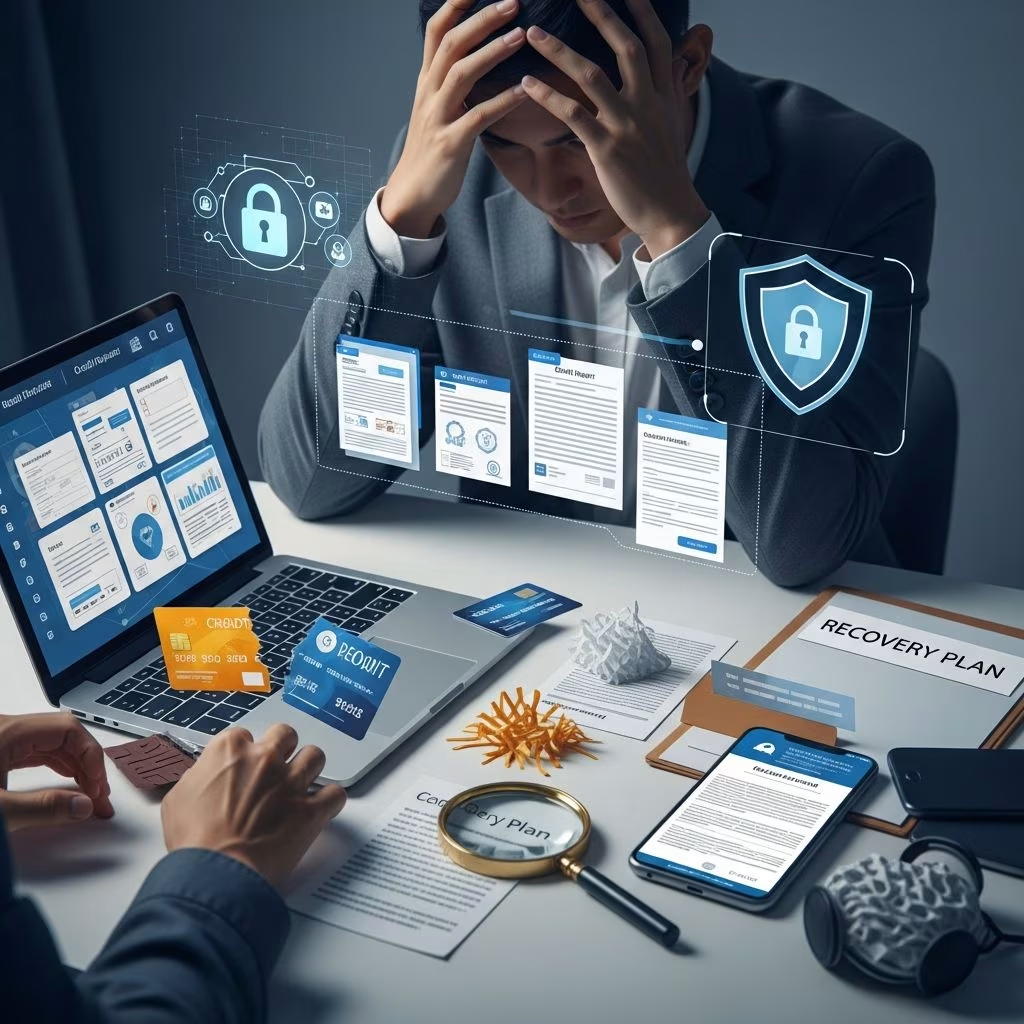
Identity theft strikes millions annually, compromising personal data and financial stability. Swift action minimizes damage and restores security. This guide outlines immediate steps, long-term protections, and resources for victims.
Recognizing Signs of Identity Theft
Early detection is crucial. Common indicators include unauthorized charges on statements, new accounts you didn’t open, denied credit applications, or unexpected tax documents. Regularly reviewing financial statements reveals anomalies quickly.
- Unfamiliar transactions on bank or credit card statements.
- Changes to credit scores without explanation.
- Mail missing bills or receiving collection notices for unknown debts.
- Notifications from unknown sources about account activity.
Act promptly upon noticing these red flags to limit fraudsters’ access.
Immediate Response: First Steps After Discovery
Contact your financial institutions right away. Notify banks, credit card issuers, and other relevant parties about suspicious activity. Most offer zero-liability policies, protecting you from unauthorized charges if reported timely.
- Secure accounts: Change passwords and enable multi-factor authentication (MFA) immediately.
- Report to issuers: Call the fraud department; they will investigate and potentially issue new cards.
- Freeze debit/credit use: Request temporary holds on affected accounts.
Document all interactions, including dates, names, and reference numbers for records[10].
Reporting the Incident Officially
File a report with the Federal Trade Commission (FTC) at IdentityTheft.gov. This generates an official Identity Theft Report, essential for disputing fraudulent accounts and working with creditors.
Also, report to local law enforcement for a police report, which strengthens disputes with businesses. Provide evidence like transaction records and communications.
| Agency | Purpose | Contact Method |
|---|---|---|
| FTC | Official Identity Theft Report | IdentityTheft.gov |
| Local Police | Police Report | Non-emergency line |
| FBI IC3 | Cybercrime reporting | ic3.gov |
Protecting Your Credit Files
Place a credit freeze with Equifax, Experian, and TransUnion to block new account openings in your name. Free and reversible, freezes prevent fraudsters from using stolen information.
- Initial Fraud Alert: Free for one year; requires businesses to verify identity before extending credit.
- Extended Fraud Alert: Free for seven years with an Identity Theft Report.
- Credit Freeze: Permanent until lifted by you; no impact on your score.
Lift freezes temporarily when applying for credit via phone or online portals.
Disputing Fraudulent Information
Use your Identity Theft Report to dispute errors on credit reports. Send certified mail with supporting documents to each bureau. They must investigate within 30 days.
Review free weekly credit reports at AnnualCreditReport.com. Dispute unauthorized accounts, inquiries, or addresses promptly.
Dispute Process
- Gather evidence: Statements, reports, correspondence.
- Submit online, by mail, or phone.
- Track progress; follow up if needed.
- Verify removal after investigation.
Securing Online and Financial Accounts
Strengthen digital defenses post-incident. Use unique, complex passwords managed by a reputable password manager. Enable MFA everywhere possible, preferring app-based over SMS.
Scan devices for malware and update software. Avoid public Wi-Fi for banking; use VPNs if necessary.
- Enroll in transaction alerts for real-time notifications.
- Separate cards for online/recurring payments.
- Opt for virtual card numbers where available.
Addressing Tax and Government-Related Fraud
Identity thieves may file fake tax returns. Contact the IRS if you receive notices about returns you didn’t file. Submit Form 14039 for identity protection.
Check SSA earnings statements for discrepancies. Report Social Security fraud via SSA’s dedicated hotline[10].
Long-Term Monitoring and Prevention
Enroll in credit monitoring services for ongoing vigilance. Regularly check accounts, use chip/contactless payments, and inspect ATMs for skimmers.
Educate family on risks; use RFID-blocking wallets. Shred sensitive documents.
Emotional and Legal Support
Recovery can be stressful. Seek support from victim assistance programs or counselors. Consult attorneys for complex cases involving significant losses.
Frequently Asked Questions (FAQs)
What should I do first if I suspect identity theft?
Contact financial institutions to secure accounts and report fraud.
How long does a credit freeze last?
Indefinitely until you lift it; it’s free and doesn’t affect your score.
Am I liable for fraudulent charges?
Typically no, under federal law, if reported promptly.
Can I get free credit reports during recovery?
Yes, weekly at AnnualCreditReport.com, plus two free from each bureau annually.
How do I remove fraudulent info from my credit report?
Dispute with bureaus using your Identity Theft Report.
Recovery demands diligence but empowers you against future threats. Stay proactive for lasting security.
References
- Credit Card Fraud Prevention — FRSecure. 2023. https://frsecure.com/blog/preventing-credit-card-fraud/
- How to Help Prevent Credit Card Fraud — Equifax. 2024-01-15. https://www.equifax.com/personal/education/credit-cards/articles/-/learn/how-to-help-prevent-credit-card-fraud/
- Credit Card Fraud Protection — Infosys BPM. 2023-05-10. https://www.infosysbpm.com/blogs/fraud-retail/credit-card-fraud-prevention.html
- Latest Credit Card Frauds Prevention — Bank of America. 2024. https://business.bofa.com/en-us/content/latest-credit-card-frauds-prevention.html
- Strategies to Prevent Card Fraud — Redstone Bank. 2023-11-01. https://redstone.bank/news/2023/11/effective-strategies-to-prevent-debit-card-credit-card-fraud/
- 10 Credit Card Security Tips — Fidelity. 2024-02-20. https://www.fidelity.com/learning-center/personal-finance/10-credit-card-security-tips
- Credit Card and Debit Card Fraud — OCC.gov (U.S. Office of the Comptroller of the Currency). 2025-03-12. https://www.occ.gov/topics/consumers-and-communities/consumer-protection/fraud-resources/credit-card-and-debit-card-fraud.html
- Tips to Prevent Credit Card Fraud — Regions Bank. 2024. https://www.regions.com/insights/personal/article/tips-to-prevent-credit-card-fraud
This article is general information, not personal financial advice. Consider your own situation, or speak with a licensed adviser, before acting on it.


