

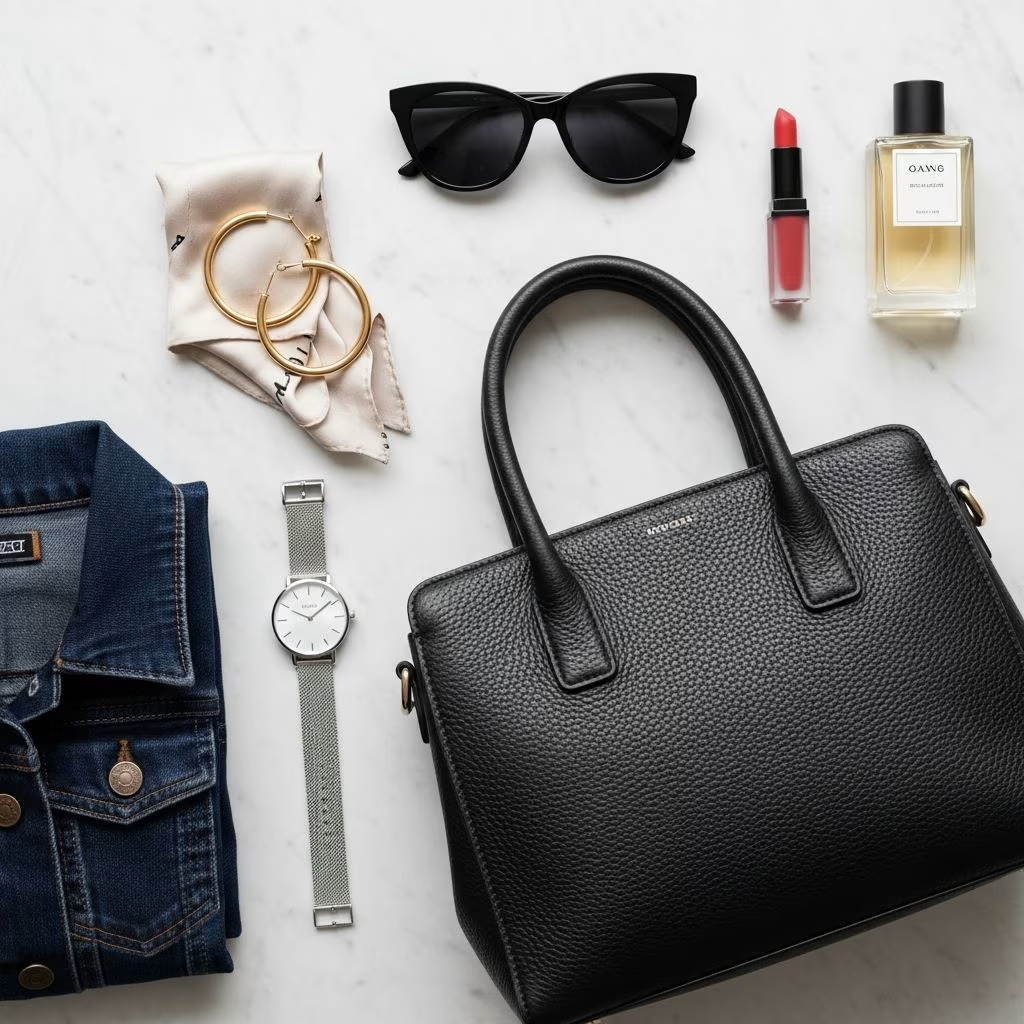
Looking polished and put-together does not require designer labels or constant shopping trips. With a smart strategy, you can look expensive on a budget while still prioritizing your long-term financial goals. In fact, being intentional about your style can support better money habits by helping you avoid impulse purchases and focus on what truly adds value to your life.
This guide walks you through practical tips to elevate your appearance, curate a timeless wardrobe, and maintain good grooming habits without breaking the bank.
Why Looking Expensive Doesn’t Have to Be Expensive
“Looking expensive” is really about intentional choices, not price tags. A cohesive color palette, well-fitting clothes, and thoughtful grooming often create a more elevated impression than flashy logos. When you focus on classic pieces and quality over quantity, you also reduce waste and avoid constant replacement costs, which aligns with healthy financial habits such as budgeting and planned spending.
Before you start upgrading your wardrobe, remember that your appearance is only one part of your financial life. Maintaining a budget, keeping debt under control, and saving for the future remain top priorities.
1. Utilize Neutral Colors
One of the easiest ways to look more elevated right away is to build outfits around neutral colors. Neutrals create a cohesive, streamlined look and are easy to mix and match, meaning you need fewer pieces to create multiple outfits.
Why Neutral Colors Look Expensive
- Timeless appeal: Shades like black, white, beige, navy, gray, and cream rarely go out of style.
- Easy coordination: Neutrals pair well with each other, making your wardrobe more versatile.
- Subtle sophistication: Understated colors tend to look more refined than loud, trendy prints.
Neutrals also allow any special piece you own (like a statement coat or bag) to stand out without making your outfit feel busy.
How to Use Neutrals on a Budget
- Prioritize neutral basics such as t-shirts, button-downs, trousers, and simple dresses.
- Choose a primary neutral (for example, black or navy) and build around it to avoid mismatched items.
- Add color through small accents like scarves, lipstick, or jewelry instead of large, expensive pieces.
2. Invest in Timeless Pieces
To look expensive over the long term, focus on timeless wardrobe staples that you can wear for years. This is a form of intentional spending: you purchase fewer items but choose pieces that fit your lifestyle, flatter your body, and resist rapidly changing trends.
Examples of Timeless Wardrobe Staples
- A well-cut blazer in black, navy, or camel
- Classic dark-wash jeans with a simple silhouette
- Neutral ankle boots or simple flats
- A little black dress or other versatile dress in a solid neutral color
- A structured handbag without obvious logos
Balancing Investment and Budget
You do not need to buy everything at once. Treat these items like small, planned investments:
- Set a specific sinking fund in your budget for wardrobe upgrades so you save gradually.
- Buy the best quality you can afford in categories you use often (for example, shoes you wear daily).
- Look for sales, outlet stores, or secondhand options to get classic items at a lower price.
| Category | Timeless Piece | Budget-Friendly Tip |
|---|---|---|
| Tops | White button-down shirt | Search thrift stores for cotton or linen shirts; tailor if needed. |
| Outerwear | Neutral trench or wool coat | Buy off-season (coats in spring, trenches in late summer). |
| Shoes | Leather loafers or ankle boots | Look for store-brand leather instead of designer labels. |
| Accessories | Simple structured handbag | Choose clean lines and minimal hardware to avoid trendiness. |
3. Wear Clothes That Fit Well
No matter how much something cost, it will not look expensive if it does not fit correctly. Proper fit instantly elevates your appearance and makes even affordable pieces look intentional and tailored.
Signs Your Clothes Fit Well
- Shoulder seams sit exactly at your shoulder, not drooping or pulling.
- Pants skim your shape without bunching around the crotch or dragging on the floor.
- Waistbands sit comfortably and do not cut in or gape at the back.
- Button-down shirts close smoothly without gaping at the chest.
Affordable Ways to Improve Fit
- Use a tailor: Simple alterations like hemming pants or taking in a waist are often inexpensive and can dramatically improve how your clothes look.
- Try multiple sizes: In thrift stores or sales, experiment with different sizes and cuts; the number on the tag matters less than the fit.
- Know your measurements: Measure your bust, waist, hips, and inseam to shop more accurately online.
4. Take Care of Your Clothes
Caring for your clothing properly helps them last longer, reduces your cost per wear, and keeps them looking crisp and expensive. According to textile and consumer guidance, gentle washing, avoiding high heat, and repairing items can extend their life and reduce waste.
Basic Clothing Care Habits
- Follow care labels: Wash delicate items on gentle cycles or by hand and avoid tumble-drying clothes that call for air drying.
- Use garment hangers: Hang blazers, dresses, and coats on sturdy hangers to maintain their shape.
- Spot clean when possible: Treat small stains early instead of over-washing the entire garment.
- Store seasonally: Pack off-season items in breathable bags or bins to prevent dust and damage.
Low-Cost Tools That Make Clothes Look Better
- A fabric shaver for removing pilling on knitwear
- A handheld steamer or iron for crisp seams and collars
- Shoe polish and a soft brush to refresh leather footwear
- Basic sewing kit for loose buttons or small tears
5. Pay Attention to Grooming
Clothing is only one part of looking expensive; grooming often has an even bigger impact. Research on first impressions indicates that people form opinions in seconds based on visible cues like neatness, facial appearance, and cleanliness. Simple, consistent grooming habits can make budget outfits look far more elevated.
Budget-Friendly Grooming Habits
- Hair: Keep a simple, manageable style. Regular trims (even at lower-cost salons) help avoid a neglected look.
- Skin: Follow a basic skincare routine: gentle cleanser, moisturizer, and sunscreen. Dermatology guidance shows that sunscreen is one of the most effective anti-aging products you can use.
- Nails: Keep nails clean and trimmed. A clear or neutral polish often looks more polished than chipped bright colors.
- Fragrance: If you use perfume, apply lightly. A subtle scent seems more refined than an overpowering one.
Minimal Makeup That Looks Polished
If you wear makeup, consider a simple, everyday routine:
- Even out your skin tone with light coverage if you prefer.
- Groom eyebrows for a clean frame to your face.
- Add a neutral lip color or tinted balm for a healthy look.
This approach can be more budget-friendly because you use fewer products consistently rather than chasing every new trend.
6. Keep Accessories Simple and Intentional
Accessories can either make your outfit look cluttered or subtly elevated. When you are trying to look expensive on a budget, opt for minimal, cohesive accessories that complement your outfits without overwhelming them.
Choose Elevated, Minimal Accessories
- Small hoop earrings or simple studs in gold or silver tones
- A classic watch with a leather or metal band
- A structured, neutral handbag without heavy logos
- A slim belt to define your waist and polish simple outfits
How to Accessorize Without Overspending
- Pick a metal color (gold, silver, or rose gold) and mostly stick to it so everything matches easily.
- Buy fewer pieces but wear them often, rather than accumulating many trendy items you rarely use.
- Check secondhand or vintage shops for quality belts, scarves, and jewelry at lower prices.
7. Build a Capsule Wardrobe
Creating a simple capsule wardrobe is an effective way to look expensive on a budget. A capsule wardrobe focuses on a limited number of versatile pieces that all work together, reducing decision fatigue and the temptation to buy more than you need.
Benefits of a Capsule Wardrobe
- Cost control: You buy intentionally, reducing impulse purchases.
- Consistency: Your style looks cohesive and polished day to day.
- Time savings: Getting dressed becomes faster because most pieces mix and match.
Sample Capsule Wardrobe for a Polished Look
| Item Type | Quantity | Notes |
|---|---|---|
| Neutral tops | 4–5 | Mix of t-shirts, blouses, and a button-down shirt. |
| Bottoms | 3–4 | Dark jeans, tailored trousers, and a neutral skirt. |
| Dresses | 1–2 | Versatile neutral dresses for work or dinner. |
| Outerwear | 2 | Blazer and a coat or trench in neutral colors. |
| Shoes | 3 | Flats or loafers, ankle boots, and one dressier pair. |
| Bags | 2 | Everyday structured bag and a smaller evening option. |
8. Shop Smart and Avoid Impulse Buys
Looking expensive on a budget is impossible if shopping constantly undermines your finances. Smart shopping strategies ensure your wardrobe supports your long-term goals instead of competing with them.
Smart Shopping Tips
- Make a list: Identify specific wardrobe gaps and shop only for those items.
- Set a budget line: Decide in advance how much you can spend per month on clothing without affecting essentials and savings.
- Wait 24–48 hours: For non-essential purchases, give yourself time before buying to reduce impulse spending.
- Compare cost per wear: A slightly more expensive, durable piece you wear weekly can be cheaper over time than a trendy item you wear once.
Use Secondhand and Sales Strategically
- Browse thrift and consignment stores for quality fabrics like wool, linen, silk, and cotton.
- Shop sales for classic items, not just trendy pieces that may date quickly.
- Pay attention to fit and condition; do not buy something only because it is discounted.
9. Align Your Style with Your Financial Goals
Your style and your finances should support each other. Responsible budgeting often follows a framework where essentials, financial goals, and flexible spending are balanced, leaving room for personal priorities such as clothing without overshadowing savings and debt repayment. When you treat style as part of your overall life plan, it is easier to resist pressure to overspend just to keep up with trends.
Practical Ways to Align Style and Money
- Set an annual or quarterly clothing budget and track your spending.
- Plan wardrobe updates around life events (for example, a new job) rather than around constant sales.
- Regularly review your closet and sell or donate items you no longer wear, using any proceeds to fund timeless replacements.
Frequently Asked Questions (FAQs)
Q: Can I really look expensive if most of my clothes are from budget or thrift stores?
A: Yes. Focus on fit, neutral colors, simple silhouettes, and good grooming. A well-fitting thrift-store blazer in a neutral tone can look more elevated than an ill-fitting designer piece. Prioritize tailoring and care so your clothes always look clean, pressed, and intentional.
Q: Which items are worth spending a bit more on?
A: Items you wear frequently and for several years are often worth a slightly higher upfront cost, such as everyday shoes, outerwear, and a structured bag. These pieces are visible, heavily used, and strongly influence how polished your overall outfit appears, so quality can make a noticeable difference.
Q: How can I avoid shopping just because I feel like I have nothing to wear?
A: Start by creating new outfit combinations with what you already own. Try mixing different tops and bottoms, layering pieces, and using accessories to change the feel of an outfit. Then, identify specific gaps (for example, “I need a neutral cardigan”) and only shop with a clear list and pre-set budget, which reduces impulse buying.
Q: Is it better to follow trends or stick to classics when I am on a budget?
A: When money is limited, classics usually offer better long-term value. You can still incorporate trends in small, inexpensive ways, such as a trendy color scarf or lipstick. Keeping your core wardrobe timeless ensures your outfits look current for years without constant replacement.
Q: How often should I update my wardrobe if I am trying to be financially responsible?
A: There is no single rule, but many people benefit from planning intentional updates once or twice a year. Use these times to assess what needs replacing due to wear, what no longer fits your lifestyle, and what key pieces would make the rest of your wardrobe more versatile. Always ensure these updates fit within your broader budget and savings goals.
References
- The 50-20-20-10 Budget Will Help You Invest In Yourself — The Everygirl. 2024-06-27. https://theeverygirl.com/50-20-20-10-method-for-budgeting/
- Guide to Common Home Laundering & Drycleaning Symbols — American Cleaning Institute. 2021-01-01. https://www.cleaninginstitute.org/cleaning-tips/clothes/guide-common-home-laundering-drycleaning-symbols
- First Impressions — American Psychological Association. 2019-08-01. https://www.apa.org/monitor/2019/09/first-impressions
- Reduce, Reuse, Rewear — U.S. Environmental Protection Agency. 2023-11-27. https://www.epa.gov/recycle/reuse-rewear
- Skin Care and Aging — National Institute on Aging. 2021-07-08. https://www.nia.nih.gov/health/skin-care-and-aging
This article is general information, not personal financial advice. Consider your own situation, or speak with a licensed adviser, before acting on it.


