

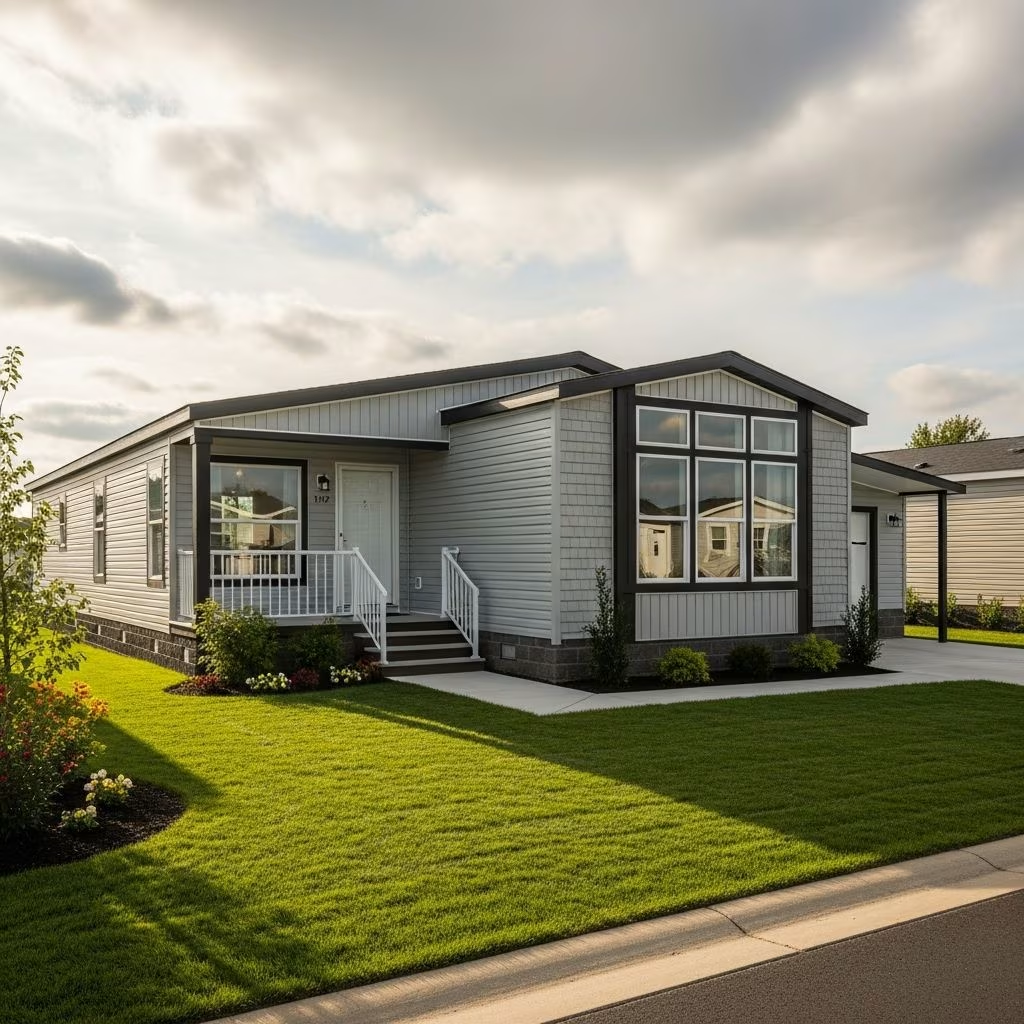
Manufactured homes are a type of factory-built housing designed to offer more affordable homeownership while still meeting national safety and construction standards. Built in controlled environments and transported to a homesite, these properties can be placed on either leased land or land you own and may qualify for traditional mortgage-style financing when they meet specific criteria.
This guide explains what manufactured homes are, how they are built and regulated, how they compare with modular and site-built houses, and what you need to know about costs, pros and cons, and financing options.
Definition: What Exactly Is a Manufactured Home?
In the United States, a manufactured home is a dwelling built in a factory and transported to its final location on a permanent chassis, in compliance with the federal building code administered by the U.S. Department of Housing and Urban Development (the HUD Code). The modern definition generally applies to homes built after June 15, 1976, when the HUD Code took effect.
The HUD Code regulates key aspects of the home, including:
- Design and structural strength
- Durability and transportability
- Fire resistance and safety systems
- Energy efficiency (insulation, windows, HVAC)
- Overall construction quality and performance
Because manufactured homes are built to a national standard, they are often treated differently from traditional “site-built” homes in zoning rules, titling, and lending. However, many modern manufactured homes offer layouts, finishes, and amenities that closely resemble conventional housing.
Manufactured vs. Mobile vs. Modular Homes
Factory-built housing uses several overlapping terms. Understanding the distinctions is crucial when you are comparing properties or exploring financing.
| Type | Key Definition | Building Code | Foundation & Transport |
|---|---|---|---|
| Manufactured home | Factory-built home on a permanent chassis, built after June 15, 1976. | HUD Code (federal). | Transported on chassis, installed on temporary or permanent foundation. |
| Mobile home | Factory-built home constructed before June 15, 1976, often to less stringent standards. | No uniform federal code pre-1976. | Built to be easily moved; often in older mobile home parks. |
| Modular home | Factory-built sections assembled on-site, generally on a permanent foundation. | Local/state building codes, the same as site-built homes. | Delivered in modules, craned onto a permanent foundation; no permanent chassis. |
Key Differences From Modular Homes
- Code: Manufactured homes follow a national HUD Code, while modular homes must meet local building codes similar to site-built houses.
- Chassis: Manufactured homes stay on a permanent steel chassis; modular homes do not.
- Real property status: Modular homes are generally treated as real property once completed, whereas manufactured homes may be titled as either personal property or real estate depending on foundation and local law.
How Manufactured Homes Are Built
Manufactured homes are constructed in large, climate-controlled factories using standardized processes. This approach allows builders to work efficiently, avoid weather delays, and apply consistent quality controls.
While details vary by manufacturer, the typical construction process includes:
1. Engineering and Design
- Plans are drawn to comply with the HUD Code and any applicable state-level requirements.
- Floor plans are engineered for transport on a permanent steel chassis.
- Energy efficiency requirements are incorporated into insulation, windows, and mechanical system specifications.
2. Structural Framing and Chassis
- Permanent chassis: Steel frames form the base of the home and remain with the home for its life, ensuring transportability.
- Floor system: Floors are built in sections, attached to the chassis, and prepped with plumbing, electrical, and HVAC runs.
- Walls and roof: Exterior and interior walls are framed, insulated, and finished before being lifted into place; roof trusses and ceiling assemblies are then attached and sealed.
3. Systems and Interior Finishes
- Plumbing, wiring, and ductwork are installed to HUD Code standards and factory-tested for leaks and safety.
- Drywall (or other wall finishes), flooring, cabinets, built-ins, and fixtures are added in assembly-line stages.
- Appliances and HVAC equipment may be installed before shipment or at the homesite.
4. Transport and On-Site Installation
- Each section is wrapped and transported on its chassis to the site by truck.
- On-site crews position and join the sections, connect utilities, and complete final finishing.
- Skirting, porches, decks, garages, and landscaping can be added depending on local codes and buyer preferences.
Because construction happens indoors, manufactured homes avoid many of the weather delays and material exposure issues that can affect site-built homes, which can enhance durability and quality when the builder adheres to best practices.
Types and Sizes of Manufactured Homes
Most manufactured homes fall into three broad size categories, each suited to different needs and budgets.
Single-Wide Homes
- Built as one long section, typically narrower than 18 feet.
- Often 600–1,300 square feet, depending on layout.
- Commonly include 1–3 bedrooms and 1–2 bathrooms.
- Appealing to individuals, couples, and small families seeking low total cost.
Double-Wide Homes
- Constructed as two sections joined on-site to create a wider, more traditional floor plan.
- Commonly around 1,000–2,400 square feet, with more spacious living areas.
- Layouts often resemble small ranch-style homes with separate living, dining, and sleeping areas.
- Popular among first-time buyers and move-up buyers wanting more space while staying within a moderate budget.
Triple-Wide and Multi-Section Homes
- Built in three or more sections, then combined on-site.
- Less common but can offer generous square footage and complex layouts.
- May include luxury features such as large kitchens, walk-in closets, or spa-like bathrooms.
Where Manufactured Homes Can Be Placed
Buyers have several placement options, each with different cost and financing implications.
- Manufactured home communities: Land-lease communities where you typically own the home but rent the homesite.
- Land you already own: Placing a home on your own lot may allow you to title it as real property if permanently affixed, which can open more mortgage options.
- Rural or suburban parcels: Manufactured homes are common in rural areas where land is cheaper and local codes are supportive.
Zoning and local regulations vary widely, so you should confirm whether manufactured housing is permitted on a specific lot and what foundation and installation standards apply.
Benefits of Manufactured Homes
Modern manufactured homes can offer a compelling value proposition compared with many site-built alternatives.
1. Affordability
- Factory construction can reduce labor and material waste, lowering per-square-foot costs versus site-built homes.
- HUD-regulated designs enable large-scale production, which supports economies of scale.
- Lower upfront costs may make homeownership accessible to buyers priced out of traditional housing markets.
2. Speed and Predictability
- Homes are built indoors, so weather rarely delays construction.
- Standardized production typically means more predictable build times.
- In many cases, buyers can move in weeks to a few months sooner than with a custom site-built home.
3. Modern Quality and Amenities
- Today’s manufactured homes use many of the same materials as site-built homes, including modern framing, insulation, and finishes.
- Buyers can often choose from upgrades such as vaulted ceilings, high-end appliances, or luxury bathrooms.
- HUD Code oversight includes inspections and quality controls at the factory level.
4. Energy Efficiency
- HUD standards include energy efficiency requirements for insulation, windows, and systems.
- High-performance manufactured homes can significantly reduce energy consumption compared with older models.
- Lower utility bills can improve overall housing affordability over time.
Drawbacks and Risks to Consider
Despite their advantages, manufactured homes also carry some potential drawbacks that buyers should carefully evaluate.
1. Land-Lease Vulnerabilities
- If your home is in a land-lease community, you may face rent increases over time.
- Relocating a manufactured home can be complex and costly, which limits your mobility.
- Community rules and restrictions can affect property use and modifications.
2. Financing Complexity
- Homes not permanently attached to land may be financed with personal property (chattel) loans rather than traditional mortgages, often at higher interest rates.
- Lenders may impose stricter requirements on age, condition, and foundation type for mortgage-style loans.
- Some programs do not finance single-wide homes or homes located in certain types of parks.
3. Perception and Resale
- In some markets, older stereotypes about “mobile homes” can affect resale demand.
- Homes on rented land may not appreciate like site-built homes on owned land.
- Local zoning restrictions can limit where manufactured homes are allowed, affecting long-term flexibility.
Manufactured Home Foundations and Real Property Status
How a manufactured home is installed and titled has major implications for financing and long-term value.
Permanent Foundations
A permanent foundation is usually constructed of durable materials such as concrete or treated wood, with attachment points that anchor the home to the underlying soil or rock. To meet certain lending and HUD requirements, these foundations may need to be certified by a professional engineer.
- Permanent foundations can improve resistance to wind and seismic forces.
- They are often required for mortgage-style financing through programs such as Fannie Mae.
- When combined with ownership of the underlying land, they may allow the home to be classified and recorded as real property.
Personal Property vs. Real Estate
- Personal property (chattel): Homes located on rented land or not permanently affixed are often titled like vehicles and financed with chattel loans.
- Real property: Homes attached to a permanent foundation on owned land may qualify as real estate, making them eligible for conventional, FHA, or VA loans when other criteria are met.
Financing Options for Manufactured Homes
Financing can be more nuanced for manufactured homes than for site-built houses, but several options exist when the home meets age, foundation, and property requirements.
Conventional Mortgages
- Some conforming loan programs (such as those following Fannie Mae guidelines) finance manufactured homes that are built on a permanent chassis and attached to a permanent foundation.
- The home typically must be classified as real property, not personal property.
- Lenders may require minimum square footage, multi-section design, and HUD certification labels.
Government-Backed Loans
- FHA loans: The Federal Housing Administration insures some loans for manufactured homes that meet HUD and FHA standards, which can allow lower down payments.
- VA loans: Eligible veterans may be able to use VA-backed financing for manufactured homes and/or lots when properties meet VA requirements.
- Program specifics vary, and buyers must work with lenders experienced in manufactured housing.
Chattel (Personal Property) Loans
- Used mainly when the home is on leased land or not affixed to a permanent foundation.
- Often feature shorter terms and higher interest rates than mortgage loans.
- Approval focuses largely on the borrower’s credit and income, similar to auto or personal loans.
Is a Manufactured Home Right for You?
Deciding whether to buy a manufactured home requires balancing cost, flexibility, and long-term goals.
A manufactured home may be a good fit if you:
- Need a more affordable path to homeownership.
- Value predictable construction timelines and modern amenities.
- Are comfortable with either land-lease living or owning rural/suburban land.
- Understand how foundation and titling affect financing and resale.
You may prefer another option if you:
- Need maximum flexibility to remodel or add stories in the future.
- Plan to live in an area with restrictive zoning toward manufactured housing.
- Are focused on conventional urban neighborhoods where land-lease communities are uncommon.
Frequently Asked Questions (FAQs)
Q: Are manufactured homes safe?
A: Yes. Modern manufactured homes must meet the HUD Code, which sets national standards for structural integrity, fire safety, and energy efficiency. These standards are enforced through factory inspections and certification processes.
Q: Do manufactured homes lose value over time?
A: Value trends depend on factors such as location, land ownership, condition, and local demand. Homes permanently affixed to owned land and treated as real property are more likely to behave like other residential real estate, while homes on leased land may appreciate less or depreciate faster.
Q: Can I customize a manufactured home?
A: Many manufacturers offer customizable floor plans, finishes, and features such as upgraded kitchens, energy-efficient packages, or additional bedrooms. Choice and cost vary by builder and community.
Q: How can I tell if a home is manufactured or modular?
A: Manufactured homes have a permanent steel chassis and display HUD certification labels on the exterior sections. Modular homes are typically placed on a permanent foundation without a chassis and are inspected to local building codes instead of the HUD Code.
Q: Can I move a manufactured home after it is installed?
A: It is possible but can be difficult and expensive. Homes must be structurally capable of transport, and you will need specialized movers, permits, and a suitable new site. Many lenders and communities place restrictions on relocating homes once installed.
References
- About Manufactured Homes — Manufactured Housing Institute. 2023-04-01. https://www.manufacturedhousing.org/about-manufactured-homes/
- Manufactured housing — U.S. Code of Federal Regulations, 24 CFR Part 3280 (via summary). U.S. Department of Housing and Urban Development. 2022-01-01. https://www.ecfr.gov/current/title-24/subtitle-B/chapter-XX/part-3280
- B2-3-02, Special Property Eligibility and Underwriting Considerations: Factory-Built Housing — Fannie Mae Selling Guide. 2024-03-06. https://selling-guide.fanniemae.com/sel/b2-3-02/special-property-eligibility-and-underwriting-considerations-factory-built-housing
- What exactly is a mobile manufactured home? The answer may surprise you — State of Connecticut, Department of Consumer Protection. 2014-06-01. https://portal.ct.gov/-/media/DCP/pdf/MACCfinaldraftpdf.pdf
- Manufactured Housing: Building the American Dream — Manufactured Housing Institute. 2022-10-01. https://www.manufacturedhousing.org/wp-content/uploads/2022/10/MHI-Fact-Sheet.pdf
- Manufactured Homes: Definition and Construction — Rocket Mortgage (Quicken Loans). 2023-08-15. https://www.rocketmortgage.com/learn/what-is-a-manufactured-home
- What Is a Manufactured Home? The Pros and Cons — K. Hovnanian Homes. 2023-05-10. https://www.khov.com/blog/what-is-a-manufactured-home-pros-and-cons/
This article is general information, not personal financial advice. Consider your own situation, or speak with a licensed adviser, before acting on it.


