

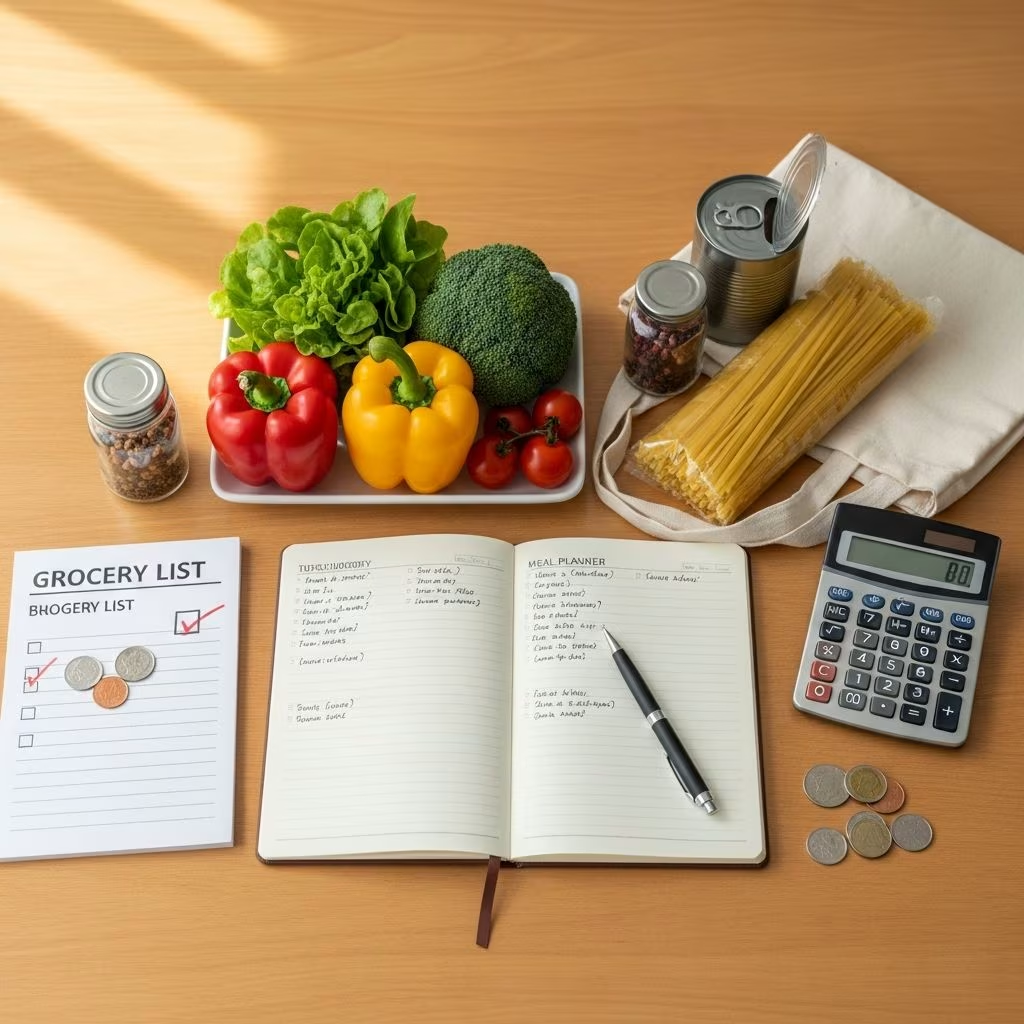
Meal planning on a budget is one of the most effective ways to cut your food spending, avoid last-minute takeout, and reduce stress during the week. With a simple process, you can feed yourself or your family well, without feeling like you are always overspending at the grocery store.
This guide walks you through how to start meal planning on a budget, practical tips to save money on food, and example ideas to help you build a realistic weekly plan that fits your life.
Why Meal Planning On A Budget Matters
Food is one of the largest monthly expenses for many households, and small changes in how you plan and shop can create big savings over time. According to the U.S. Bureau of Labor Statistics, the average U.S. household spends thousands of dollars per year on food, with a significant portion going toward food away from home such as restaurants and takeout. Minimizing those unplanned meals out through better planning can free up money for debt payoff, savings, or other financial goals.
In addition, research from the United Nations Environment Programme shows that a large share of food waste happens at the household level, which means wasted money and resources. Planning meals in advance, using what you already have, and shopping with a list can dramatically lower that waste.
How To Start Meal Planning On A Budget
Starting a meal plan does not need to be complicated. The goal is to create a simple system you can repeat each week, adjusting as your schedule and needs change. Here is a step-by-step process you can follow.
1. Take Inventory Of What You Already Have
Before you write down any meals or step into a grocery store, look through your kitchen. Many people buy duplicates or let food expire simply because they forget what they already own.
- Check your pantry for canned goods, pasta, rice, beans, baking supplies, and snacks.
- Review your refrigerator for produce, dairy, sauces, leftovers, and items approaching their use-by date.
- Look in your freezer for meat, frozen vegetables, fruit, bread, or pre-cooked meals.
Write a quick list of ingredients you want to use soon. This list becomes the base for your upcoming meals, helping you build your plan around food you already paid for instead of starting from scratch.
2. Consider Your Food Budget
Next, decide how much you can realistically spend on food for the week or month. Your grocery budget should fit within your overall spending plan, not work against it. Many financial education resources recommend starting by tracking your current food spending and then slowly working it down over time instead of cutting it too aggressively all at once.
You might:
- Look at your bank and credit card statements from the last 1–3 months to see how much you normally spend on groceries and eating out.
- Set a weekly grocery limit and a separate, smaller amount for eating out.
- Adjust as needed if you are cooking for more people, have special dietary needs, or are hosting guests.
Knowing your number in advance helps you make smarter choices as you build your meal plan and grocery list.
3. Browse Grocery Sales And Discounts
Once you know what you already have and how much you can spend, check current grocery store sales. Many shoppers save money by centering their meal plans around discounted items, especially proteins and pantry staples.
- Look at digital or paper flyers from the stores you usually shop at.
- Check loyalty program apps for coupons or member-only prices.
- Note any deals on meat, eggs, dairy, seasonal produce, and whole grains.
Designing meals around sale items can significantly lower your total bill while still allowing you to eat a variety of foods. Planning with seasonal produce often lowers costs and can increase nutritional quality.
4. Choose Simple, Budget-Friendly Meals
For budget meal planning, prioritize recipes that are:
- Built around inexpensive staples like rice, pasta, oats, beans, eggs, and frozen vegetables.
- Flexible, so you can swap ingredients based on what is on sale or what you already have.
- Easy to cook in batches, such as soups, casseroles, sheet-pan meals, and stir-fries.
Aim for a balance of breakfast, lunch, dinner, and snacks that repeat throughout the week. Repeating meals reduces decision fatigue and cuts down on the number of different ingredients you need to buy.
5. Map Out Your Week
Now that you have ingredients to use, a budget, and a sense of what is on sale, map out your actual meals. Look at your calendar and be honest about how busy your days are.
- Pick quick or pre-prepped meals for your longest days.
- Plan more involved recipes for weekends or lighter days.
- Assign specific meals to each day, or simply choose 4–5 dinners you will rotate through.
You can write your plan on paper, in a notes app, or on a whiteboard on your fridge. The key is having a visible, simple reference so you know what is for dinner before 5 p.m. hits.
6. Build A Focused Grocery List
With your meals chosen, create a grocery list based on:
- Ingredients you already have that need to be used.
- Items required to complete each recipe.
- Snacks, beverages, and breakfast items you plan to include.
Group your list by store section (produce, meat, dairy, dry goods, frozen, household) to make your trip faster and reduce impulse purchases. Shopping from a list is one of the most reliable ways to control overspending and reduce food waste.
7. Shop Intentionally
When you go to the store, stick as closely as possible to your list and your budget.
- Avoid shopping when you are very hungry or rushed, which can lead to impulse buys.
- Compare unit prices (cost per ounce, pound, or liter) to find the most economical option.
- Consider store brands, which often offer similar quality to name brands at lower prices.
Try to stay flexible. If you see a more affordable substitute that still works for your plan (for example, swapping broccoli for green beans), make the change and adjust your meals accordingly.
8. Prep What You Can In Advance
Once you are back home, a bit of meal prep can make it much easier to follow your plan during the week, especially on busy days.
- Wash and chop vegetables and store them in containers for quick cooking.
- Cook large batches of grains like rice or quinoa and portion them into the fridge or freezer.
- Pre-cook proteins such as shredded chicken, ground turkey, or beans for use in multiple meals.
Short blocks of prep time can reduce the temptation to order takeout when you are tired because part of the meal is already done.
Budget Meal Planning Tips To Save Even More
Once you understand the basic process, these practical tips can help you stretch your food dollars even further.
Rely On Affordable Pantry Staples
Many nutritious and filling foods are naturally budget-friendly. Common examples include:
- Dry beans and lentils
- Rice, oats, and other whole grains
- Frozen vegetables and fruit
- Eggs and canned tuna or salmon
- Peanut butter and other nut butters
These items have a longer shelf life and can form the base of many different meals, keeping your plan flexible and affordable.
Use Leftovers Strategically
Planned leftovers are one of the easiest ways to save money and reduce food waste. Instead of letting extra food sit forgotten in the back of the fridge, intentionally incorporate it into your plan.
- Cook a double batch of dinner and bring the extra portion for lunch the next day.
- Turn roasted vegetables into a frittata, grain bowl, or soup later in the week.
- Freeze portions of meals for future busy nights.
Cook At Home More Often
Eating out frequently can dramatically increase your food spending. Many financial and nutrition organizations highlight that home-cooked meals are usually cheaper per serving than restaurant meals, especially for families. Even replacing a few restaurant meals per week with simple home-cooked options can add up to substantial savings over a month.
Embrace Theme Nights
Theme nights simplify decisions and help you reuse ingredients efficiently. For example:
- Meatless Monday – bean chili, lentil tacos, or vegetable pasta
- Taco Tuesday – tacos, burrito bowls, or quesadillas
- One-Pot Wednesday – soup, stew, or skillet meals
- Pasta Friday – spaghetti, baked ziti, or veggie-loaded pasta
Themes also make meal planning faster because you are working within a simple framework instead of starting from zero each week.
Sample Simple Budget-Friendly Weekly Meal Outline
The table below shows a basic example of how a budget-conscious week might look. You can customize the meals to match your preferences, dietary needs, and cultural foods.
| Day | Breakfast | Lunch | Dinner |
|---|---|---|---|
| Monday | Overnight oats with fruit | Leftover bean and veggie chili | Bean and veggie chili with rice |
| Tuesday | Scrambled eggs and toast | Tuna salad sandwich and carrots | Chicken tacos with cabbage slaw |
| Wednesday | Yogurt with oats and berries | Chicken taco bowl | One-pot lentil and vegetable soup |
| Thursday | Peanut butter toast and banana | Lentil soup and bread | Stir-fry with frozen vegetables and rice |
| Friday | Oatmeal with cinnamon and apple | Leftover stir-fry | Tomato pasta with mixed vegetables |
| Saturday | Egg and veggie breakfast burrito | Pasta leftovers | Homemade pizza using leftover toppings |
| Sunday | Yogurt parfait | Grain bowl with beans and vegetables | Roast chicken, potatoes, and carrots |
How To Adjust Meal Planning For Your Lifestyle
Your budget meal plan should support the life you actually live. Here are ways to adapt the process for different situations.
For Busy Schedules
- Choose 2–3 core dinners and repeat them instead of planning something different every night.
- Use time-saving tools like a slow cooker, pressure cooker, or sheet-pan recipes.
- Keep a small list of quick emergency meals (for example, pasta with sauce and frozen vegetables) for nights when plans change.
For Families
- Involve kids in picking one or two meals each week to increase the chance they will eat what you cook.
- Make family-style meals that are easy to customize, like taco bowls or baked potatoes with various toppings.
- Buy larger packages of staples when it is cost-effective and you know you will use them.
For One-Person Households
- Cook recipes that freeze well in single portions for future weeks.
- Plan to repeat lunches to avoid food going bad.
- Buy fresh produce in smaller quantities and balance it with frozen options so nothing spoils.
Common Budget Meal Planning Mistakes To Avoid
As you build your habit, watch out for a few pitfalls that can derail your efforts.
- Overplanning complicated recipes – too many new or complex meals can lead to burnout and wasted ingredients.
- Ignoring your actual schedule – planning time-consuming meals on busy nights makes it harder to stick to your plan.
- Not checking your pantry first – this often leads to buying duplicates and overspending.
- Skipping a grocery list – shopping without a list usually increases impulse purchases.
- Being too rigid – allow room to swap meals around or adjust based on cravings and energy.
Frequently Asked Questions (FAQs)
Q: How much can I realistically save by meal planning on a budget?
A: The amount varies by household, but many people find they can cut food spending by 10–30% over time by eating out less, reducing impulse buys, and using up what they already have. The savings can be redirected toward debt repayment, emergencies, or other financial goals.
Q: Do I need to cook everything from scratch to save money?
A: No. You can combine basic convenience items like pre-cut vegetables or jarred sauces with simple home cooking. The goal is to reduce high-cost restaurant and takeout meals, not to make every meal perfectly from scratch.
Q: How do I meal plan on a budget if I have dietary restrictions?
A: Focus on affordable staples that fit your needs (such as beans, rice, gluten-free grains, or specific vegetables) and build repeatable meals around them. Shopping sales within your allowed foods, buying in bulk when appropriate, and using frozen options can still lower costs, even with restrictions.
Q: What if I get bored eating the same meals?
A: Use a small rotation of recipes and change flavors with different spices, sauces, or toppings. For example, rice and beans can become a taco bowl one night and a soup base another night, using the same core ingredients in new ways.
Q: How often should I update my meal plan and grocery budget?
A: Many people plan weekly because it aligns with their shopping schedule, while others prefer a two-week or monthly overview. Review your plan regularly and adjust your grocery budget if your income, household size, or goals change.
References
- Consumer Expenditures — 2023 — U.S. Bureau of Labor Statistics. 2024-09-10. https://www.bls.gov/news.release/cesan.nr0.htm
- Food Waste Index Report 2021 — United Nations Environment Programme. 2021-03-04. https://www.unep.org/resources/report/unep-food-waste-index-report-2021
- Food and Nutrition: Stretching Your Food Dollars — Cooperative Extension, University of Kentucky. 2022-05-01. https://www.uky.edu/hes/sites/www.uky.edu.hes/files/documents/stretching-your-food-dollars.pdf
- Healthy Eating on a Budget — U.S. Department of Agriculture, MyPlate. 2023-02-01. https://www.myplate.gov/eat-healthy/healthy-eating-budget
This article is general information, not personal financial advice. Consider your own situation, or speak with a licensed adviser, before acting on it.


