

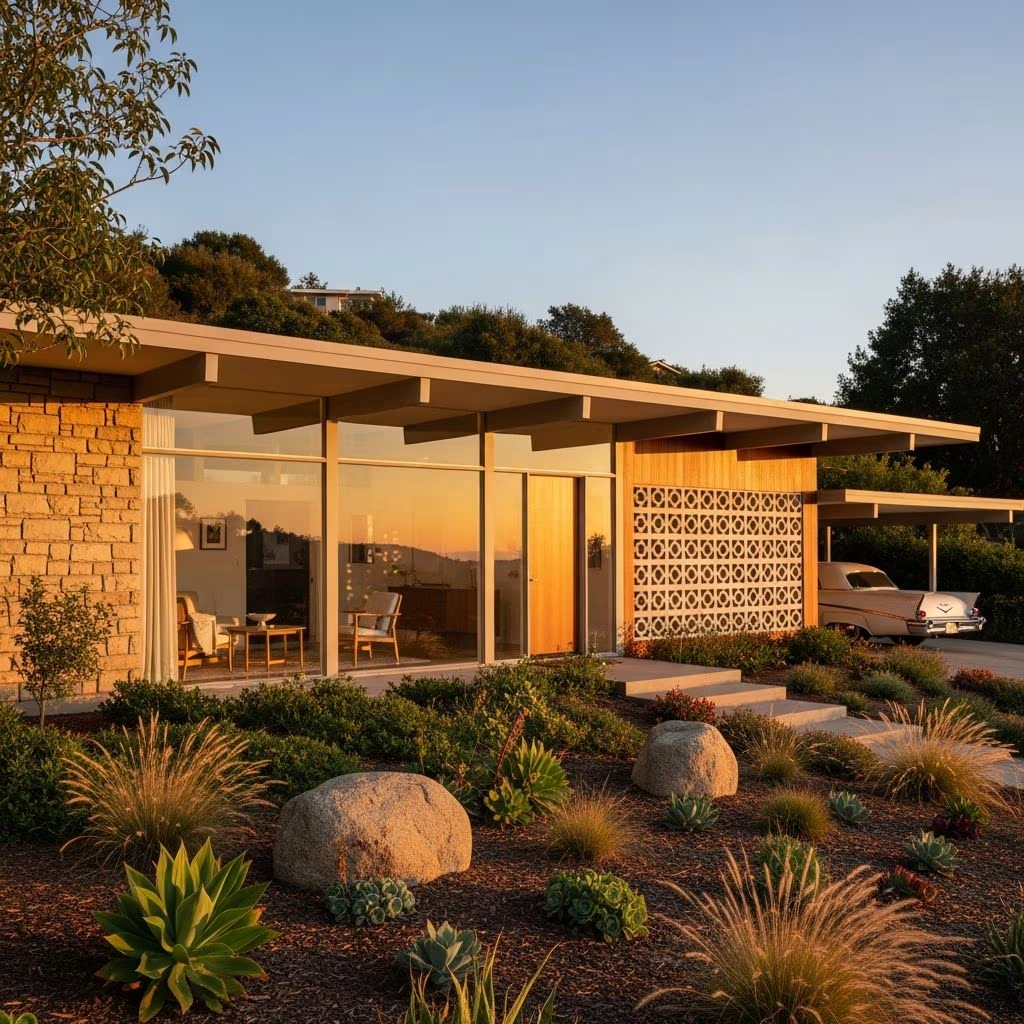
Midcentury modern homes, often abbreviated as MCM, represent a pivotal era in residential architecture that prioritizes simplicity, functionality, and a deep connection to the natural world. Emerging primarily between the late 1940s and early 1970s, these structures redefined how people lived by emphasizing open spaces, innovative materials, and seamless indoor-outdoor flow. Today, they enjoy renewed popularity among buyers seeking sustainable, efficient, and aesthetically pleasing properties that stand apart from cookie-cutter contemporary builds.
The Origins and Evolution of Midcentury Modern Architecture
The midcentury modern movement drew inspiration from earlier modernist pioneers like Frank Lloyd Wright and the Bauhaus school, evolving in post-World War II America amid economic optimism and technological advances. Architects such as Richard Neutra, Josef Eichler, and Charles and Ray Eames championed designs that were affordable, mass-producible, and responsive to everyday family needs. These homes proliferated in suburban developments, particularly in California and the Midwest, where flat roofs, expansive glass, and minimalist forms became hallmarks.
Unlike ornate Victorian or Colonial Revival styles, MCM rejected excess ornamentation in favor of honest expression of materials and structure. This philosophy aligned with the era’s cultural shift toward leisure, nature appreciation, and casual entertaining, making these homes ideal for the growing middle class. By the 1980s, tastes shifted toward larger, more traditional homes, leading to a decline in new MCM construction. However, a resurgence began in the 1990s, fueled by nostalgia, media exposure, and recognition of their energy-efficient qualities.
Signature Architectural Features That Define MCM Homes
Identifying a midcentury modern home is straightforward once you know the core elements. These properties boast distinctive traits that prioritize harmony with their environment and user comfort.
- Clean, Geometric Lines: Expect sharp angles, flat planes, and minimal curves without fussy details. Roofs are typically low-pitched or flat, creating a horizontal profile that hugs the landscape.
- Natural and Organic Materials: Wood species like teak, mahogany, walnut, oak, and rosewood dominate, often left exposed to highlight grain and texture. Brick, stone, and cork flooring blend interiors with exteriors.
- Open Floor Plans: Walls give way to fluid living areas, promoting social interaction and a sense of spaciousness in compact footprints, usually single-story or split-level.
- Abundant Natural Light: Clerestory windows, skylights, floor-to-ceiling glass, and sliding doors flood spaces with daylight while framing views.
- Built-In Elements: Custom cabinetry, benches, shelving, and even fireplaces integrate seamlessly, maximizing utility without clutter.
In regions with hilly terrain, like parts of the Midwest, split-level designs adapt to sloped lots, maintaining the low-profile aesthetic while optimizing space.
Blending Interiors and Exteriors: The Heart of MCM Philosophy
A defining principle of midcentury modern is erasing boundaries between inside and out. Large aluminum-framed windows and doors not only maximize light but also create visual continuity with gardens or patios. Indoor planters, overhanging eaves, and strategic site placement ensure homes feel like extensions of their surroundings.
This integration supports sustainable living avant la lettre—passive solar gain reduces heating needs, while cross-ventilation via operable windows cools naturally. Modern renovations often enhance this with energy-efficient glazing, preserving the original intent.
| Feature | MCM Benefit | Modern Upgrade Idea |
|---|---|---|
| Large Windows | Natural light and views | Low-E glass for efficiency |
| Open Plans | Family flow | Zoning with sliding panels |
| Built-Ins | Space-saving | Smart storage tech |
| Natural Materials | Warmth and durability | Eco-friendly sealants |
Iconic Fireplaces and Functional Innovations
Fireplaces in MCM homes are statement pieces, often corner or see-through designs that serve multiple rooms. Creative masonry, like elongated Roman bricks, adds subtle flair without overwhelming the clean lines. These focal points anchor open living areas, doubling as room dividers.
Other innovations include utilitarian built-ins along stair railings or walls, reflecting a post-war ethos of efficiency. Low-slung profiles on generous lots emphasize understatement, with brick facades and integrated planters enhancing curb appeal.
Why Midcentury Modern Homes Are Making a Comeback
The timeless allure of MCM lies in its adaptability. Clean lines offer a serene counterpoint to today’s cluttered aesthetics, while open layouts suit remote work and multigenerational living. Environmentally conscious buyers appreciate the modest scale and material honesty, which align with green building standards.
Market data shows MCM properties commanding premiums—up to 20-30% over comparable homes in desirable neighborhoods. Their durability means many originals remain structurally sound, though updates are common to meet code and comfort expectations.
Navigating the Purchase Process for MCM Enthusiasts
Buying a midcentury modern home requires diligence. Start by targeting hotspots like Palm Springs, CA; Eichler tracts in the Bay Area; or Midwest enclaves with architects like the Dombar brothers.
- Research Local Experts: Engage realtors specializing in MCM, preservation groups, and inspectors familiar with era-specific issues like asbestos or single-pane glass.
- Inspect Thoroughly: Check for dry rot in wood elements, roof integrity on flat designs, and HVAC compatibility with open plans.
- Budget for Updates: Factor in kitchen/bath modernizations while retaining character—expect $50K-$150K depending on scope.
- Financing Options: Explore renovation loans or historic home incentives if the property qualifies for preservation status.
Viewings should assess flow, light quality, and site harmony. Authentic details like original hardware or vaulted ceilings boost value.
Renovation Strategies: Honoring Heritage While Modernizing
Updating an MCM home demands respect for its DNA. Preserve clean lines by avoiding bulky additions; opt for modular expansions instead.
- Kitchen Revamps: Swap dated cabinets for flat-panel teak fronts with quartz counters mimicking stone.
- Bathroom Refresh: Install floating vanities and frameless showers, using terrazzo tiles for retro nod.
- Energy Efficiency: Retrofit insulation under preserved wood ceilings and add radiant floor heating.
- Furniture Pairing: Complement with Eames chairs, Noguchi lamps, and Nelson benches for cohesion.
Avoid over-customization; focus on reversibility to maintain resale appeal. Case studies like the renovated Kingsland residence show how simplicity, flow, and purpose unify old and new.
Common Pitfalls and How to Avoid Them
Buyers often overlook hidden costs: outdated electrical, lead paint, or pest issues in natural materials. Over-renovating erases charm—consult architects versed in MCM before major changes. In competitive markets, act fast but verify authenticity via original blueprints if possible.
FAQs: Midcentury Modern Homes Answered
What defines a true midcentury modern home?
Key markers include clean lines, natural materials, open plans, indoor-outdoor connections, and built-ins, typically built 1945-1970.
Are MCM homes energy efficient?
Originally yes, via orientation and ventilation; modern upgrades like better windows amplify this.
How much do they cost compared to traditional homes?
Often 10-30% more in hot markets due to demand and scarcity.
Can I renovate without losing the style?
Yes, prioritize reversible changes and consult MCM specialists.
Where are the best places to find MCM homes?
California suburbs, Midwest hillsides, and preserved urban pockets.
Styling Your MCM Home: Furniture and Decor Tips
Furnish with iconic pieces: Saarinen tables, wormwood sideboards, and abstract art. Use solid colors, avoiding patterns, with wood tones for warmth. Plants enhance the nature theme—fiddle leaf figs or monstera thrive in bright spaces.
Incorporate tech discreetly: recessed speakers, hidden charging stations preserve sleekness.
References
- Six Features That Make a Home Mid-Century Modern — Cincinnati Magazine. 2023 (approx.). https://www.cincinnatimagazine.com/where-to-live/six-features-that-make-a-home-mid-century-modern/
- Mid-Century Interiors: 3 Characteristics — EYRC Architects. 2023 (approx.). https://www.eyrc.com/houses-blog/blog/mid-century-modern-interiors
- Characteristics of Mid-century Modern — Ann Arbor Modern (University affiliate). N/A. https://www.a2modern.org/characteristics-of-mid-century-modern/
- What Are Mid Century Modern Characteristics? — Atomic Ranch Magazine. 2023 (approx.). https://www.atomic-ranch.com/modernist-index/mid-century-modern-characteristics/
- History of Interior Design: Mid-Century Modern — National Design Academy (UK edu-equivalent). 2023. https://www.nda.ac.uk/blog/history-of-interior-design-mid-century-modern/
This article is general information, not personal financial advice. Consider your own situation, or speak with a licensed adviser, before acting on it.


