

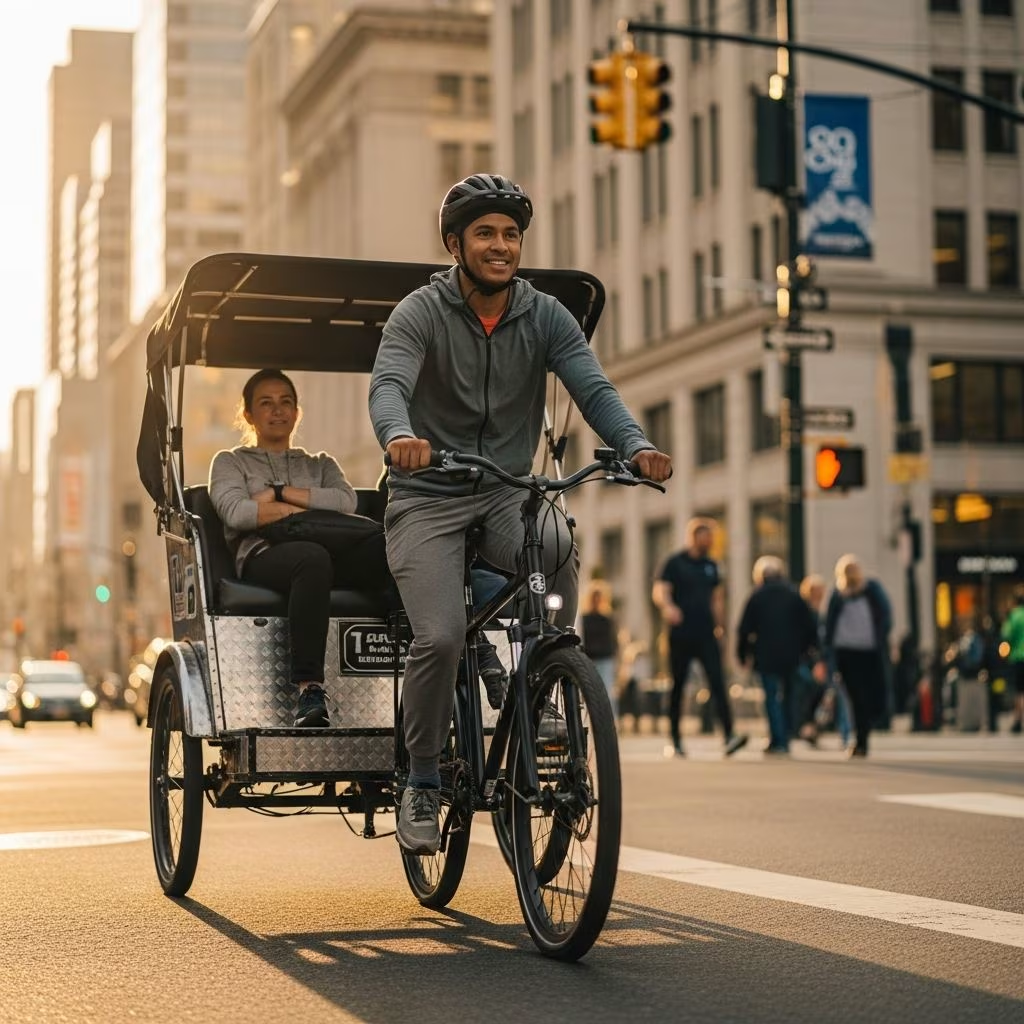
Pedicabs represent a unique intersection of sustainable transportation, tourism services, and flexible employment opportunities. These distinctive three-wheeled vehicles, typically featuring a forward-positioned driver’s seat with passenger seating farther back for two to four riders, have become increasingly popular in urban centers across North America and Europe. While pedicabs serve as a crucial component of the transportation network in developing countries, their role in Western cities focuses primarily on serving tourists, convention attendees, and nightlife enthusiasts. For those seeking alternative employment or entrepreneurial opportunities, pedicab driving offers an intriguing option that combines physical activity with flexible scheduling and genuine human interaction.
Understanding How Pedicabbing Works
The pedicab industry operates differently across regions, but in North America and Europe, it primarily caters to leisure travelers and event attendees. Pedicabs compete with traditional taxi services and ride-sharing applications like Uber and Lyft, though they occupy a distinctly smaller market niche. Unlike ride-sharing giants that operate across entire regions, pedicab providers typically concentrate their services within a limited geographical area—often just a few square miles in a city’s central business or entertainment district.
Types of Pedicab Business Providers
Pedicab operations come in various organizational structures, each with distinct characteristics and requirements. Pedicab companies are frequently called “shops,” a term that also refers to their physical headquarters—typically garages or small warehouses where vehicles are maintained and stored. Understanding the different provider models is essential for potential drivers considering entry into this field.
For-Hire Transportation Providers: These operations function similarly to traditional taxi companies or ride-sharing services, offering point-to-point transportation for diverse clientele including tourists, convention attendees, college students, and young professionals. Drivers in this model can adopt a social approach similar to traditional taxi drivers, though extensive narrative commentary about routes isn’t mandatory. Many drivers do provide such narration strategically to earn higher tips and create memorable experiences for passengers.
Tour and Activity-Based Operators: Some pedicab services specialize in guided tours, evening entertainment packages, or transportation to specific venues. These providers often emphasize the experiential aspect of the ride, with drivers serving as informal tour guides and local ambassadors.
Sponsorship Model Providers: Innovative operators like Austin’s Capital Pedicab have developed entirely different business models. These companies completely forgo traditional fares, instead operating their pedicabs as moving billboards. Advertisers pay based on the size and number of display advertisements affixed to the vehicles. Under this model, drivers work entirely for tips, with riders encouraged to pay what they believe is fair. This approach eliminates rental fees and fare cuts but significantly reduces earnings predictability.
Regulatory requirements differ by location, but virtually every U.S. city permitting pedicab operations requires shops to maintain business licenses and commercial liability insurance. Typical insurance coverage amounts fall around $1,000,000 per pedicab.
Earning Potential and Revenue Models
Pedicab drivers’ earnings fluctuate considerably based on multiple factors including their shop’s fare structure, fee arrangements, location, weather conditions, and time of operation. Understanding the various compensation models is crucial for assessing whether pedicab driving aligns with your financial goals.
Compensation Structure Options
Rental Fee Model: Many pedicab shops operate on a rental basis, charging licensed drivers a flat fee for a day’s work or a specific shift duration (typically six to eight hours). Under this arrangement, drivers retain all earnings after deducting the rental fee. For example, if a driver pays a $50 rental fee and collects $200 in fares during their shift, they take home $150. This model appeals to drivers who prefer keeping earnings clear and straightforward without worrying about ongoing percentages.
Percentage Commission Model: Some shops retain a percentage of each fare collected. Commission rates typically range from 25% to 50% depending on the operation size, local market conditions, and the services provided by the shop. A driver collecting $200 in fares with a 40% commission would keep $120.
Sponsorship and Tips Model: As mentioned, some operators eschew fares entirely, compensating drivers exclusively through tips while generating revenue from advertisers. This model offers no rental fees or fare cuts but introduces significant earning uncertainty.
Set Wage Plus Tips: Certain larger operations compensate drivers with a guaranteed hourly wage supplemented by tip income. This model provides earning stability but typically results in lower overall compensation than commission or rental models during busy periods.
Revenue Variations by Season and Time
Earning potential fluctuates dramatically based on temporal factors. Weekends, evenings, and major events generate substantially higher demand and therefore higher earnings opportunities. Many pedicab shops eschew rigid, scheduled shifts in favor of driver-controlled schedules that respond to market demand. During peak periods, drivers have strong incentives to work longer hours, while during slower periods, fewer drivers choose to operate. This flexibility allows drivers to maximize earnings during lucrative times while maintaining personal control over their schedules.
Hours and Shift Flexibility
One of pedicabbing’s defining characteristics is scheduling flexibility. Rather than working predetermined shifts, most pedicab shops—particularly those following the for-hire model—allow drivers to determine their own schedules based on anticipated demand. This demand-driven approach empowers drivers to work during peak earning periods while taking time off during slower stretches.
Peak periods typically include Friday and Saturday evenings, holiday weekends, major sporting events, concerts, conventions, and local festivals. Many drivers optimize their schedules around these predictable high-demand windows, effectively controlling their earning potential through strategic scheduling choices.
Operational Expenses and Cost Advantages
A significant advantage of pedicab driving over ride-sharing or traditional taxi work involves dramatically lower operational costs. Unlike motorized vehicle operators, pedicab drivers avoid numerous expenses that consume ride-sharing and taxi driver profits.
Expenses Eliminated:
- Fuel costs
- Vehicle insurance premiums
- Mechanical repairs and maintenance
- Parking fees
- Registration and licensing fees for personal vehicles
- Oil changes and routine service
The primary expense pedicab drivers face is the rental fee or commission paid to their shop owner—significantly less burdensome than the comprehensive costs associated with operating a gas-powered vehicle. This advantage particularly appeals to individuals considering gig economy work who lack capital for vehicle ownership or wish to minimize business expenses.
Advantages of Pedicab Driving
Pedicab driving offers numerous compelling benefits that distinguish it from conventional employment and other gig economy opportunities.
Flexible Schedule and Lifestyle
Perhaps the most attractive feature is complete scheduling flexibility. Drivers set their own hours based on personal preferences and anticipated earnings opportunities. This flexibility accommodates various life circumstances—students can work around class schedules, parents can arrange childcare more easily, and those pursuing other ventures can maintain pedicabbing as supplementary income.
Impressive Earning Potential
Even drivers working for set wages plus tips enjoy flexible earning potential that can reach impressive levels. During peak periods, passenger demand frequently exceeds available pedicabs, creating steady fare streams. Beyond the base compensation model, drivers can substantially boost earnings through exceptional service, engaging conversation, and local knowledge that encourages generous tipping.
Health and Fitness Benefits
Pedicab driving provides legitimate cardiovascular and muscular exercise. Unlike sedentary driving positions, pedicabbing involves continuous pedaling, building leg strength and cardiovascular endurance. Many drivers view the work as combining employment with fitness training—getting paid while improving personal health.
No Vehicle Ownership Costs
Compared to ride-sharing, taxi driving, or delivery work, pedicab driving eliminates motor vehicle operational expenses. Drivers aren’t responsible for fuel, maintenance, insurance on a personal vehicle, or repair costs. This advantage makes pedicabbing accessible to individuals lacking capital for vehicle ownership or existing driver’s licenses in some jurisdictions.
Environmental Consciousness
Pedicab drivers contribute to sustainable urban transportation. The eco-friendly nature of human-powered vehicles appeals to environmentally conscious individuals who prefer work aligned with their values. This aspect increasingly attracts consumers seeking sustainable transportation options, potentially enhancing customer satisfaction and tip earnings.
Social Interaction and Community Connection
Unlike isolated work environments, pedicab driving involves constant human interaction. Drivers meet tourists, locals, and event attendees, creating opportunities for meaningful conversations and building community connections. This social aspect appeals to extroverted individuals who enjoy people interaction and find purpose in enhancing others’ experiences.
Entrepreneurial Opportunity
For ambitious individuals, pedicab driving can transition into business ownership. Understanding operations from the driver’s perspective provides valuable insights for launching independent pedicab businesses or expanding existing operations.
Disadvantages and Challenges
Despite notable advantages, pedicab driving presents legitimate challenges that potential drivers should carefully consider.
Weather Dependency
Unlike motorized vehicles, pedicabs offer minimal weather protection. Rain, snow, extreme heat, and strong winds significantly impact both driver comfort and customer demand. Bad weather reduces passenger volume while simultaneously making driving more physically demanding and unpleasant.
Physical Demands
Continuous pedaling demands substantial physical fitness. Drivers must maintain cardiovascular endurance and leg strength, carrying passengers uphill through busy streets. Individuals with knee problems, back issues, or poor fitness levels may find the physical demands prohibitive. Injury risk increases in high-traffic environments and difficult terrain.
Earnings Unpredictability
Income varies substantially based on multiple uncontrollable factors. Weather, competition from other pedicabs, local events, tourist seasons, and economic conditions all affect daily earnings. Unlike salaried positions offering income consistency, pedicab drivers face genuine uncertainty about weekly revenue.
Tip Dependency in Certain Models
Sponsorship-model operators work entirely for tips, creating significant earning uncertainty. Even commission-based drivers depend partially on passenger generosity. Not all riders tip appropriately, and some don’t tip at all, unpredictably affecting earnings.
Limited Employee Protections
Many pedicab drivers are classified as independent contractors rather than employees, potentially reducing access to benefits like health insurance, paid time off, unemployment insurance, and workers’ compensation. This arrangement transfers financial risk to drivers.
Safety and Traffic Concerns
Operating in congested urban streets alongside cars, buses, and trucks presents genuine safety risks. Drivers experience exposure to vehicle traffic, aggressive drivers, and accident potential without protective enclosures. Pollution exposure also increases compared to climate-controlled vehicle environments.
Regulatory Uncertainty
Pedicab regulations vary significantly by city and change over time. Some municipalities have implemented strict restrictions or bans on pedicab operations, limiting opportunities in certain locations.
Is Pedicab Driving Right for You?
| Factor | Favorable for Pedicabbing | Unfavorable for Pedicabbing |
|---|---|---|
| Physical Fitness | Good to excellent cardiovascular health | Physical limitations, joint problems, poor fitness |
| Schedule Needs | Requires flexibility, wants control over hours | Needs consistent, guaranteed income |
| Weather Tolerance | Comfortable working outdoors year-round | Prefers climate-controlled environments |
| Social Preference | Enjoys constant human interaction | Prefers working independently or alone |
| Location | Lives in pedicab-friendly urban areas | Lives in areas without pedicab services |
| Income Stability | Can tolerate variable earnings | Requires predictable, consistent income |
Getting Started in Pedicabbing
Prospective pedicab drivers should begin by researching local pedicab operations. Contact established shops in your city, inquire about driver requirements, observe operations, and speak with current drivers about their experiences. Most shops require basic requirements such as being at least 18 years old, possessing a valid driver’s license, passing background checks, and demonstrating basic cycling competence.
Understanding local regulations is crucial. Research your city’s specific pedicab licensing requirements, insurance mandates, and operational restrictions. This information typically resides with your city’s transportation or business licensing department.
Consider starting part-time while maintaining other income sources until determining whether pedicabbing suits your preferences and financial needs. This approach allows experimentation without fully committing.
Frequently Asked Questions (FAQs)
Q: How much can pedicab drivers realistically earn?
A: Earnings vary widely based on location, season, and business model. Drivers in busy urban centers during peak seasons typically earn $15-30 per hour after expenses. Some top earners in high-demand areas exceed $50 per hour during peak times, though this isn’t guaranteed.
Q: Do I need special licensing to drive a pedicab?
A: Requirements vary by city. Most municipalities require basic driver’s licenses and may require pedicab-specific permits. Check your local transportation department for specific requirements.
Q: Is pedicab driving a year-round opportunity?
A: Feasibility depends on climate. Temperate regions support year-round operation, though winter months typically see reduced demand. Harsh winter climates may limit seasonal opportunity windows.
Q: Can someone with average fitness do pedicab driving?
A: Starting is possible, though the job requires building fitness. Many drivers improve their fitness after beginning. However, pre-existing serious joint or cardiovascular conditions may present challenges.
Q: What about insurance and liability concerns?
A: Pedicab shops carry commercial liability insurance (typically $1,000,000 per vehicle). Drivers should confirm coverage details and understand personal liability exposure, particularly for accidents involving passengers.
Q: Can I own my own pedicab instead of renting?
A: Yes, some drivers purchase personal pedicabs and operate independently or lease them to shops. However, ownership requires significant capital, ongoing maintenance, and navigating business operations independently.
Conclusion
Pedicab driving represents a distinctive employment opportunity combining physical activity, scheduling flexibility, environmental sustainability, and genuine human interaction. The work suits individuals prioritizing autonomy over income consistency, enjoying outdoor work regardless of weather, and possessing adequate physical fitness. For those aligned with these characteristics and living in pedicab-friendly locations, the work offers legitimate earning potential supplemented by non-monetary benefits including health improvements and community connection.
However, pedicab driving isn’t universally suitable. Those requiring income stability, preferring climate-controlled environments, or lacking physical fitness may find the disadvantages outweigh benefits. Prospective drivers should honestly assess their circumstances, research local opportunities, and potentially trial part-time work before committing fully to the occupation.
Ultimately, pedicab driving succeeds best for individuals viewing employment as more than income generation—those seeking alignment between work and personal values, prioritizing lifestyle flexibility, and finding fulfillment in direct customer service. For such individuals, pedicabbing offers a viable and rewarding transportation employment option.
References
- Pedicab Driving – How It Works, Earnings Potential, Pros & Cons — Money Crashers. Accessed November 2025. https://www.moneycrashers.com/pedicab-driving-how-it-works-earnings-potential-pros-cons/
- Dive into the Electric Pedicab Business — VIP Pedicab. Accessed November 2025. https://www.vippedicab.com/blog/dive-into-the-electric-pedicab-business
- Embarking on a Pedicabs Business Adventure — Desygner. Accessed November 2025. https://desygner.com/blog/industry/how-to-start-pedicabs-business
This article is general information, not personal financial advice. Consider your own situation, or speak with a licensed adviser, before acting on it.


