

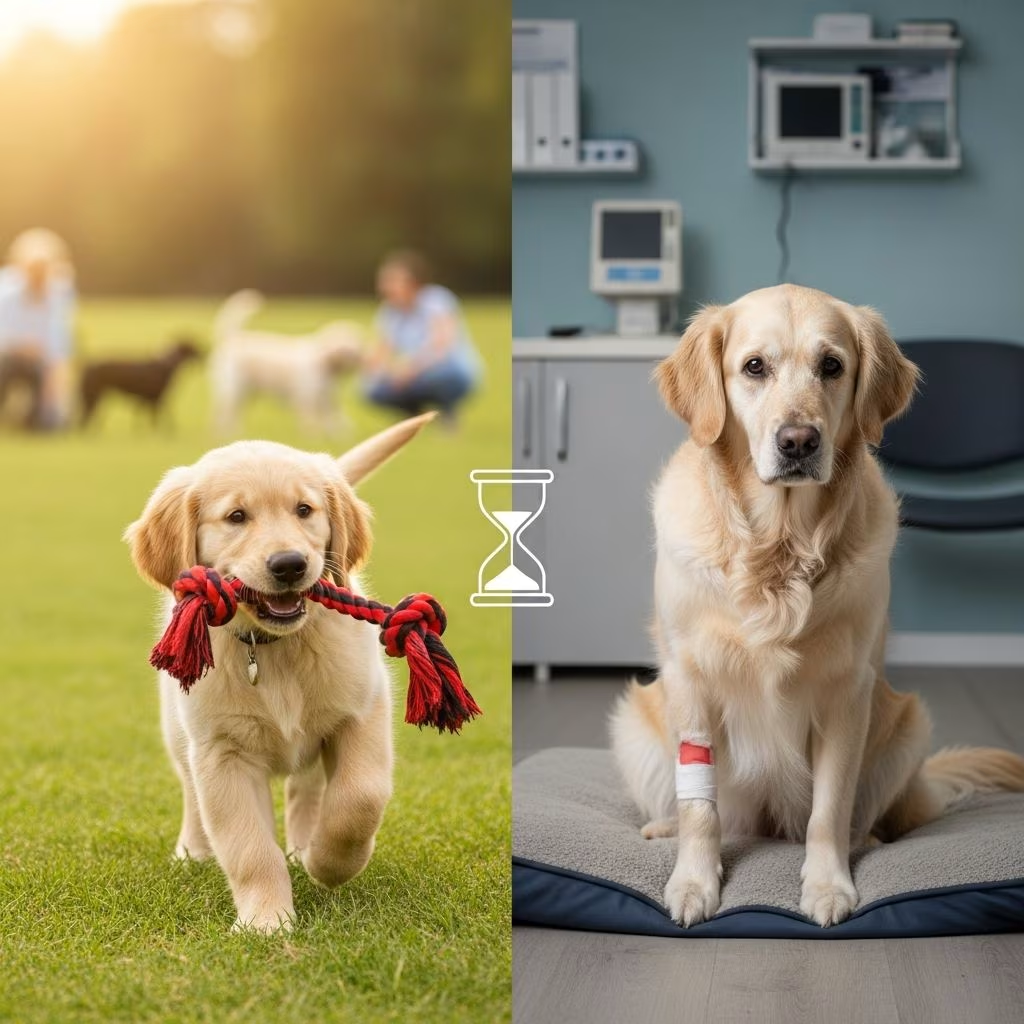
Pet insurance can help you manage unexpected vet bills, but coverage does not usually begin the moment you enroll. Most policies include one or more waiting periods, which are specific time frames you must get through before certain types of care are eligible for reimbursement.1
Understanding these waiting periods is essential if you want to avoid unpleasant surprises at the vet clinic and choose a plan that truly protects your pet.
What Is a Pet Insurance Waiting Period?
A pet insurance waiting period is the set length of time between your policy’s effective date and the moment your coverage starts for a particular type of claim.12 During this time, you can enroll, pay premiums, and even visit the vet—but eligible expenses that occur within the waiting period will not be covered.
In simple terms, the waiting period is the gap between:
- Policy start date: When your contract becomes active and you can technically submit claims.
- Coverage start date: When the insurer will actually consider those claims for reimbursement.
Waiting periods are usually defined in your policy for different benefit categories, such as accidents, illnesses, or orthopedic conditions.15
Why Do Pet Insurance Companies Use Waiting Periods?
Waiting periods are primarily designed to reduce the risk that people will buy insurance only after their pet is already sick or injured and then immediately submit large claims. According to major insurers, they serve several purposes:25
- Preventing fraud and adverse selection: If there were no waiting periods, some owners might wait until an accident or diagnosis occurs and then rush to enroll, leaving insurers to pay for events that were already known.
- Clarifying pre-existing conditions: Illnesses or injuries that show up during the waiting period are typically considered pre-existing and excluded from future coverage, even after the waiting period ends.2
- Keeping premiums more affordable: By limiting immediate high-cost claims, insurers can price policies more predictably for all customers.
- Standardizing risk: Waiting periods allow insurers to apply consistent rules to all new policies, regardless of an individual pet’s history.
From a pet owner’s perspective, waiting periods are an incentive to buy coverage before something goes wrong rather than in reaction to a crisis.
Common Types of Waiting Periods
Most pet insurers apply different waiting periods to different kinds of coverage. While details vary by company and state, these are the most common categories described by major providers and independent analyses.125
1. Accident Waiting Periods
Accident coverage is designed for sudden, unexpected events such as broken bones, cuts, ingesting foreign objects, or bite wounds. Typical accident waiting periods are relatively short:
- Many insurers use 1 to 15 days for accidents.15
- Some companies offer same-day or 0-day waiting periods for accidents, meaning coverage starts almost immediately after enrollment.3
Accident-only plans, where available, may also follow this range but can sometimes have shorter delays to encourage quick enrollment.
2. Illness Waiting Periods
Illness coverage typically has a longer waiting period than accident coverage. These policies pay for diagnostics and treatment when a pet develops a covered sickness, such as infections, digestive problems, chronic conditions, or cancer.
Research and insurer disclosures show that:
- Common illness waiting periods run from 14 to 30 days after the policy start date.12
- Around two weeks is often cited as an industry norm for general illnesses.5
Illnesses first noticed during the waiting period are typically categorized as pre-existing and excluded from coverage going forward, even after the waiting period ends.2
3. Orthopedic and Cruciate Ligament Waiting Periods
Many policies treat orthopedic conditions—such as hip dysplasia, patellar luxation, cruciate ligament tears, or other joint problems—as a special category with their own extended waiting periods.125
- Waiting periods for orthopedic or cruciate issues often range from 6 months to 12 months for full coverage.2
- Some carriers allow shorter orthopedic waiting periods if your pet has a clean pre-enrollment orthopedic exam documented by a veterinarian.1
- Orthopedic waiting periods frequently apply to dogs only, given the higher incidence of these conditions in some breeds.
Because orthopedic care can be very expensive, it is important to understand exactly how your chosen insurer defines these conditions and what timeline they require.
4. Wellness and Preventive Care Waiting Periods
Wellness or preventive care plans reimburse routine services such as vaccines, annual exams, dental cleanings, or parasite prevention. These plans sometimes have little or no waiting period, especially when:
- Wellness is added as an optional rider to a main policy.
- The provider promotes 0-day waiting periods for certain preventive services, starting at midnight after enrollment.3
However, some insurers still enforce a brief delay before wellness reimbursements, so it is worth confirming the specifics if you are counting on near-term routine care.
Typical Waiting Period Ranges by Coverage Type
The table below summarizes general waiting period ranges reported by large insurers and independent consumer resources. Exact numbers will vary by company, state regulation, and product design.
| Coverage Type | Typical Waiting Period Range | Common Examples |
|---|---|---|
| Accidents | 0–15 days | 0-day or same-day coverage from some insurers; 1–14 days is very common.135 |
| Illnesses | 14–30 days | Many companies use around 14 days for general illnesses.125 |
| Orthopedic / Cruciate | 6–12 months | Extended delays for hip dysplasia or cruciate ligament injuries; sometimes reducible with a vet exam.12 |
| Wellness / Preventive | 0–30 days | Some plans offer no waiting period; others may impose a short delay. |
How Waiting Periods Affect Pre-Existing Conditions
Waiting periods interact closely with how pet insurers treat pre-existing conditions. A pre-existing condition is typically any injury or illness that shows clinical signs or is diagnosed before coverage starts or during the waiting period.2
Because insurers design waiting periods to separate new issues from old ones, they usually:
- Exclude conditions that first appear before your policy begins.
- Exclude conditions that first appear during the waiting period, even if they develop into chronic illnesses later.2
- May permanently treat such conditions as ineligible for reimbursement.
This is why enrolling pets when they are young and healthy, or at least before any major diagnosis, can significantly expand the range of conditions that will be covered over their lifetimes.
How Waiting Periods Work in Practice
To understand how waiting periods apply in real life, consider a simplified example based on explanations from large insurers and consumer finance outlets.25
- Day 1 (Policy effective date): You enroll your dog in a comprehensive accident and illness policy.
- Day 3: Your dog ingests a foreign object and requires emergency surgery.
- Accident waiting period: If your plan has a 2-day waiting period for accidents, coverage for accidental injuries is already active by Day 3, so this surgery may be eligible.
- Illness waiting period: If your plan has a 14-day waiting period for illnesses and your pet is diagnosed with an infection on Day 5, that infection will likely be classified as pre-existing and excluded going forward.
Every policy has its own effective time (not just date), so some insurers specify that coverage begins at midnight or a certain hour on the effective date. Claims for events that occur even a few hours before that start time can be denied under the waiting period rules.2
Do Any Pet Insurance Companies Have No Waiting Period?
Most pet insurers use at least short waiting periods for accidents and illnesses. However, some companies advertise no waiting period or same-day coverage on specific benefits:
- Certain providers offer 0-day waiting periods for accidents and selective preventive care, with coverage beginning at midnight the day you enroll.3
- Some carriers waive or shorten illness waiting periods for pets coming from partner shelters or special programs.1
Even when an insurer advertises no waiting period for one type of coverage, there may still be delays for illnesses, orthopedic issues, or other specialized conditions, so it is vital to read the policy details carefully.
How State Regulations Can Influence Waiting Periods
Insurers generally decide their own waiting periods, but in some regions, state insurance regulators place limits on how long these periods can be or how they must be disclosed. Industry guidance notes that, aside from such regulations, waiting period differences between insurers tend to be measured in days rather than months for accidents and general illnesses.5
Because rules vary, pet owners should review both:
- The insurer’s filed policy documents for their state.
- Any consumer information provided by their state department of insurance.
Key Questions to Ask About Waiting Periods
Before you finalize a policy, it helps to ask targeted questions about waiting periods so you can time enrollment effectively:
- When exactly does my policy become effective (date and time)?
- What is the waiting period for accidents?
- What is the waiting period for illnesses?
- Is there a separate waiting period for orthopedic or cruciate ligament conditions, and how long is it?
- Are there any conditions with extended or lifetime exclusions if they occur during the waiting period?
- Do wellness or preventive benefits have a waiting period, and if so, how long?
These details should be available in the sample policy or full terms and conditions, not just in marketing summaries.
Tips for Choosing a Policy Based on Waiting Periods
Waiting periods are only one factor in choosing pet insurance, but they can have a big impact in the first weeks and months of coverage. Consider the following strategies when comparing plans.
1. Enroll Early, Before Problems Arise
Because conditions that occur during the waiting period are usually considered pre-existing, enrolling your pet while still young and healthy can expand what will be covered later. This is especially important for breeds at higher risk of orthopedic or hereditary issues, where extended waiting periods are common.12
2. Compare Accident and Illness Waiting Periods Separately
Some insurers feature very short accident waiting periods but maintain standard or longer illness delays. When you compare policies:
- Look at accident waiting periods if you are most concerned about sudden emergencies.
- Look at illness waiting periods if your pet is at elevated risk for disease or chronic conditions.
3. Examine Orthopedic and Condition-Specific Rules
If you own a large dog or a breed prone to joint issues, pay special attention to orthopedic waiting periods and any requirements for exams. Some plans may allow you to shorten these delays with a pre-enrollment orthopedic evaluation, which can be beneficial if you are planning ahead for potential joint problems.1
4. Read the Definition of Pre-Existing Conditions
Policies vary in how they define and handle pre-existing conditions, especially if a condition was temporary or resolved. Carefully reading this section will help you understand which events during the waiting period may limit coverage later.
5. Balance Waiting Periods with Other Policy Features
A slightly longer waiting period might be acceptable if a plan offers better reimbursement, annual limits, or flexibility elsewhere. Consider:
- Reimbursement percentages and deductibles.
- Annual and lifetime coverage caps.
- Coverage for exam fees, prescription medications, and alternative therapies.
Frequently Asked Questions (FAQs)
Q: Can I use my pet insurance during the waiting period?
You can enroll and pay premiums during the waiting period, but expenses from conditions that start within that period are generally not eligible for reimbursement. Coverage typically begins only after the waiting period for the relevant benefit ends.12
Q: What happens if my pet gets sick or injured during the waiting period?
If a new illness or injury occurs during the waiting period, claims for that condition are usually denied, and the issue is often categorized as a pre-existing condition going forward. This can limit coverage for related care for the rest of the pet’s life with that insurer.2
Q: Are there pet insurance policies with no waiting period at all?
Most policies have at least short waiting periods for illnesses and sometimes for accidents. However, some providers offer immediate or 0-day coverage for accidents or selected preventive benefits, and a few may reduce waiting periods under special circumstances, such as adoptions from partner shelters.13
Q: Do wellness plans have waiting periods?
Many wellness or preventive care riders either have no waiting period or a relatively short delay before reimbursements begin. Because rules vary, you should review the wellness schedule to see when vaccines, checkups, and dental cleanings become eligible.
Q: Will state laws affect my pet insurance waiting period?
In some jurisdictions, state insurance regulations limit how long waiting periods can be or require that they be disclosed in specific ways. Apart from these rules, insurers set their own waiting periods, which typically differ by only a few days between companies for accidents and general illnesses.5
References
- Pet insurance waiting periods: Complete guide — NerdWallet. 2024-02-27. https://www.nerdwallet.com/insurance/pet/learn/pet-insurance-waiting-periods
- What are pet insurance waiting periods and how do they work? — Bankrate. 2023-10-10. https://www.bankrate.com/insurance/pet-insurance/pet-insurance-waiting-period/
- Get covered: Pet insurance with no waiting period — MetLife Pet Insurance. 2024-03-05. https://www.metlifepetinsurance.com/blog/pet-insurance/no-waiting-period/
- Learn about the waiting period for pet insurance — Embrace Pet Insurance. 2023-06-01. https://www.embracepetinsurance.com/coverage/waiting-period
- Pet insurance waiting periods — Progressive. 2023-09-15. https://www.progressive.com/answers/pet-insurance-waiting-period/
This article is general information, not personal financial advice. Consider your own situation, or speak with a licensed adviser, before acting on it.


