

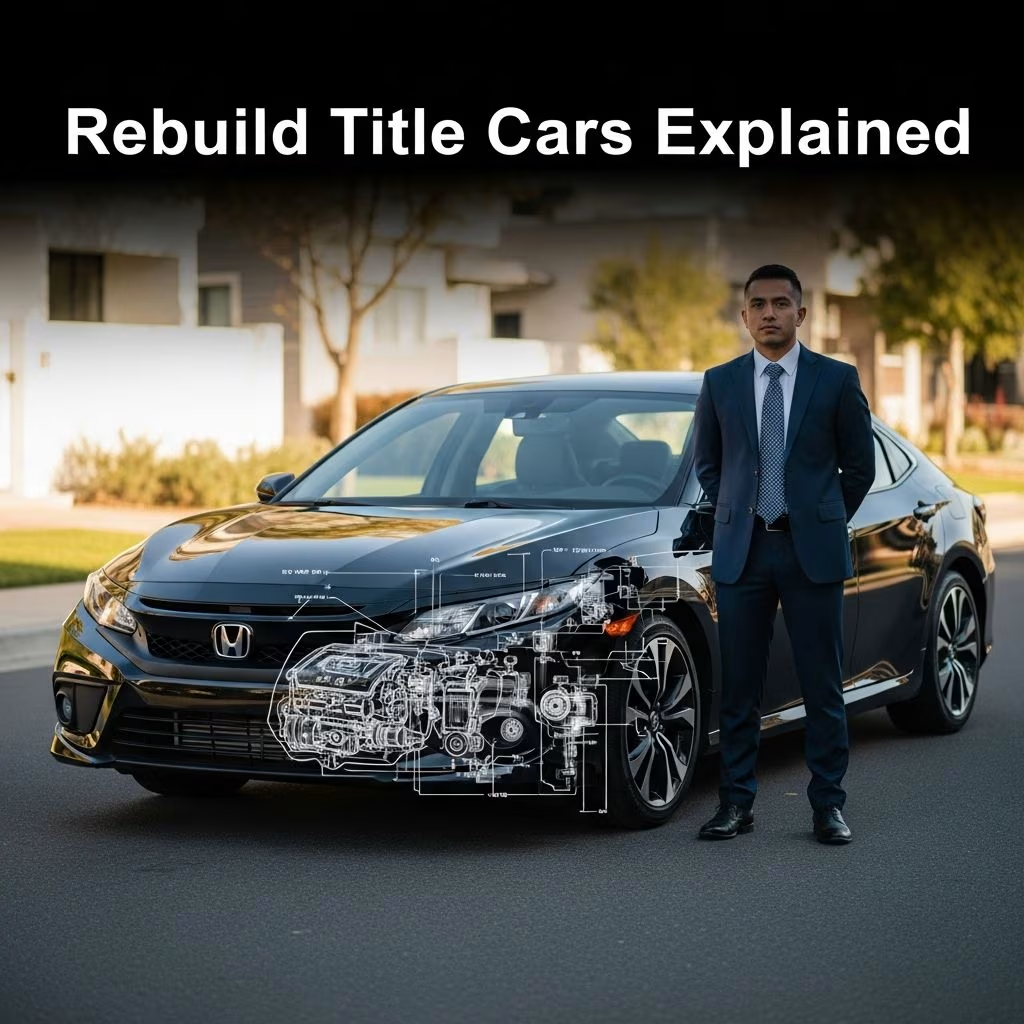
A rebuilt title indicates a vehicle previously declared a total loss has been repaired and passed safety inspections to return to the road. These cars offer potential bargains but come with unique risks for buyers.
Understanding Vehicle Title Basics
Vehicle titles serve as legal proof of ownership and record important history like damage or odometer issues. A **clean title** means no major damage history, no total loss declaration, and accurate mileage. Liens may exist on clean titles, requiring payoff before transfer.
When severe damage occurs—such as from collisions, floods, fires, hail, theft recovery, or vandalism—insurers assess repair costs against the car’s actual cash value (ACV). If repairs exceed a state-specific threshold (often 70-100% of ACV), the vehicle becomes a total loss.
- Clean title: Undamaged history, fully roadworthy.
- Total loss triggers: Accident (70%+ ACV), flood/fire damage, or non-collision events.
From Clean to Salvage: The Total Loss Process
Upon totaling, insurers pay the owner the ACV minus deductible and issue a **salvage title**. This brands the vehicle as uneconomical or unsafe to repair for regular use. Salvage-titled cars cannot be driven on public roads or registered in most states.
Owners or buyers then purchase these at auctions for parts or rebuilding. Common salvage causes include:
- Collisions exceeding repair thresholds.
- Flood submersion damaging electronics.
- Hail denting bodywork extensively.
- Fire compromising structural integrity.
- Theft recovery with missing components.
S salvage status warns of potential hidden issues, preventing unsuspecting resale as clean.
Rebuilding and Inspection: Path to Rebuilt Status
To regain road legality, salvage vehicles undergo repairs using new or quality used parts, then state inspections. Requirements vary widely:
| State Example | Inspection Focus | Rebuilt Name Variant |
|---|---|---|
| California | Structural welds, frame alignment, OEM parts verification | Rebuilt Salvage |
| Texas | Brakes, lights, emissions, anti-theft devices | Rebuilt |
| Florida | Comprehensive safety and theft checks | Rebuilt |
| Some states | No inspection required | Varies |
Inspections verify roadworthiness, proper repairs, and no title washing—illegally reregistering salvage vehicles in lax states to hide history. Vehicle history reports like CARFAX reveal prior brands despite washing.
Passing inspection yields a **rebuilt title** (or equivalents: reconstructed, revived salvage, restored). This allows registration, insurance, and driving, but the brand remains permanent.
Value Impacts and Market Realities
Rebuilt titles slash resale value by **20-40%** compared to clean equivalents due to perceived risks and limited buyer pools. For a $15,000 clean car, expect $9,000-$12,000 for rebuilt.
Insurance payouts match lower values; comprehensive/collision coverage may cost more or be unavailable from some providers. Financing proves challenging—many lenders refuse rebuilt titles.
Depreciation slows post-rebuild since initial value drop already occurred, aiding short-term flips.
Advantages of Purchasing Rebuilt Title Vehicles
Budget buyers find appeal in deep discounts, potentially saving thousands on quality repairs.
- Cost savings: Acquire premium models affordably.
- Slower value loss: Resale holds better than clean used cars.
- Eco-friendly: Reuses vehicles, cutting scrap waste.
- Potential reliability: Thorough rebuilds by skilled shops exceed factory standards.
Risks and Drawbacks to Consider
Despite inspections, rebuilt cars carry elevated concerns:
- Hidden damage: Frame flex, electrical gremlins, or corrosion missed in checks.
- Insurance hurdles: Higher premiums, liability-only policies common.
- Financing denials from banks wary of risk.
- Resale woes: Smaller market, further value drops.
- Warranty voids: Manufacturer coverage typically ends.
State inspection rigor matters—lax processes heighten unreliability odds.
How to Evaluate and Buy a Rebuilt Title Car Safely
Thorough due diligence minimizes pitfalls:
- Run VIN checks: CARFAX, AutoCheck for full history, photos of damage.
- Mechanic pre-purchase inspection: Independent shop scans for issues.
- Verify receipts: Parts invoices, repair logs matching damage.
- Test extensively: Long drives, check all systems.
- Research state laws: Confirm inspection standards.
- Negotiate hard: Leverage title for better price.
Prioritize vehicles with documented professional rebuilds over DIY efforts.
Insurance and Financing Navigation
Shop multiple insurers—some specialize in high-risk vehicles. Expect 20-50% premium hikes; disclose title upfront to avoid claim denials.
For loans, target credit unions, specialty lenders, or cash purchases. Rates run 2-5% higher with shorter terms.
State-by-State Variations Overview
Title laws differ significantly:
- Strict states (NY, CA): Multi-point inspections, branded forever.
- Lenient states: Minimal checks, higher buyer risk.
- No-inspection states: Rare, but exist—proceed with extreme caution.
Always check DMV resources for local rules.
Frequently Asked Questions (FAQs)
Can you get full insurance on a rebuilt title car?
Yes, but options limited; many insurers offer only liability. Shop specialists.
Is a rebuilt title the same as salvage?
No—salvage means damaged/unroadworthy; rebuilt means repaired and inspected.
How much cheaper are rebuilt cars?
Typically 20-40% less than clean titles, varying by model and damage type.
Does a rebuilt title affect trade-in value?
Yes, dealers often refuse or lowball due to resale challenges.
Can I title wash a salvage car?
Illegal in most states; history reports expose it.
Final Thoughts for Savvy Buyers
Rebuilt title cars suit informed buyers seeking value over perfection. With rigorous checks, they deliver reliable transport at a fraction of clean costs. However, casual shoppers face pitfalls—prioritize history, inspections, and professional advice.
References
- What Is a Rebuilt Car Title? — J.D. Power. 2023. https://www.jdpower.com/cars/shopping-guides/what-is-a-rebuilt-car-title
- What Is a Rebuilt Title? — CARFAX. 2024. https://www.carfax.com/buying/rebuilt-car-title
- What is a Rebuilt Title and What You Need to Know — CarGurus. 2023. https://www.cargurus.com/Cars/articles/rebuilt-car-title
- Buying a Used Car: What is a Rebuilt Title? — Montrose Auto Outlet. 2023. https://www.montroseautooutlet.com/buying-a-used-car-what-is-a-rebuilt-title-cleveland-oh
- Rebuilt Title: Meaning, Pros, and Cons — Indy Auto Man. 2024. https://www.indyautoman.com/blog/rebuilt-title-meaning
This article is general information, not personal financial advice. Consider your own situation, or speak with a licensed adviser, before acting on it.


