

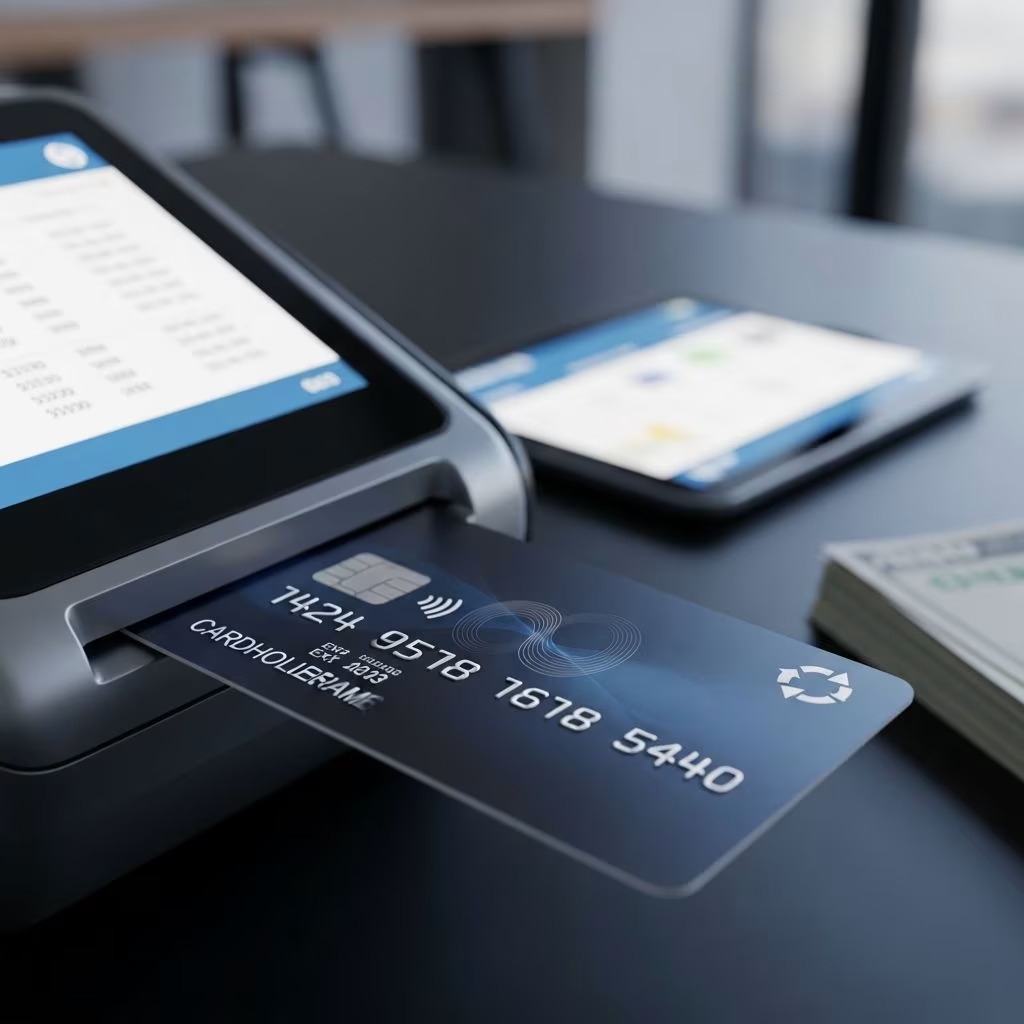
Recurring charges represent a cornerstone of modern financial transactions, allowing seamless payments for ongoing services directly from your credit card. These automatic deductions occur at set intervals, such as monthly or annually, ensuring continuity for subscriptions and bills without manual intervention each time.
Understanding the Mechanics of Automatic Billing
At its core, a recurring charge involves pre-authorizing a merchant to pull funds from your credit card on a predetermined schedule. This process begins when you provide card details during signup for a service, agreeing to terms that outline the amount, frequency, and duration. Payment processors then handle the backend, charging the card automatically on due dates until you intervene.
This system relies on ‘card-not-present’ transactions, where your physical presence isn’t required for each charge. Businesses store your payment information securely under compliance standards like PCI DSS, triggering charges via gateways such as Stripe or merchant accounts.
Key Distinctions: Recurring vs. One-Off Transactions
Unlike one-time charges, which require fresh authorization per purchase, recurring ones are preset for repetition. Fixed recurring payments deduct the same sum repeatedly, ideal for flat-rate subscriptions like streaming services. Variable ones fluctuate, as seen in utility bills tied to usage.
| Type | Description | Examples | Frequency |
|---|---|---|---|
| Fixed | Same amount each cycle | Gym membership, software license | Monthly/Annual |
| Variable | Amount changes per cycle | Utilities, phone bills | Monthly/Quarterly |
| One-Time | Single authorization | Online shopping | As needed |
Everyday Examples of Recurring Deductions
- Digital Subscriptions: Streaming platforms, music services, and cloud storage often bill monthly for unlimited access.
- Utilities and Essentials: Electricity, water, and internet providers use variable charges based on consumption.
- Financial Obligations: Auto loans, mortgages, or student debt repayments structured as regulars.
- Health and Fitness: Gyms, personal training, or wellness apps with membership fees.
- Charitable Contributions: Monthly donations to nonprofits for sustained support.
- Telecom Services: Cell phone plans and cable packages with bundled recurring fees.
Advantages That Make Recurring Charges Appealing
Opting into automatic billing offers tangible perks for both consumers and providers. For users, it eliminates the hassle of remembering due dates, preventing late fees and service interruptions. Payments post consistently, aiding predictable budgeting—especially valuable when charges appear centralized on one statement.
Credit-building potential emerges too: on-time payments bolster your score by demonstrating reliability. Credit cards add fraud protection layers, with easier disputes for unauthorized pulls compared to debit alternatives. Merchants benefit from steady revenue, reducing churn from forgotten bills.
Potential Pitfalls and Hidden Costs
Despite conveniences, risks loom large if unmanaged. Price increases can slip by unnoticed, inflating budgets silently. Forgotten subscriptions—often from free trials—accumulate; studies show people underestimate spending by over 150%, averaging $219 monthly versus perceived $86.
Fraud vulnerability rises in card-not-present setups, with higher chargeback rates prompting merchants to impose elevated processing fees. Carrying balances incurs interest, amplifying costs on stacked charges. Budget overruns occur when multiple small deductions exceed expectations.
Pros vs. Cons Snapshot
| Pros | Cons |
|---|---|
| No late fees | Forgotten subscriptions |
| Budget predictability | Price hike surprises |
| Credit score boost | Fraud/scam risks |
| Fraud protections | Interest accumulation |
Step-by-Step Guide to Setting Up Securely
- Select Trusted Merchants: Verify legitimacy before sharing details; check reviews and secure sites (HTTPS).
- Review Terms: Note amount, interval, trial periods, and cancellation policies.
- Authorize Explicitly: Confirm via email or app; some require signed forms for variables.
- Monitor Initial Charge: Watch your first statement post-setup.
- Enable Alerts: Set notifications for transactions over set thresholds.
For businesses, integrate via providers like Stripe, securing customer consent and handling retries for declined cards.
Effective Strategies for Tracking and Monitoring
Regular statement reviews are foundational—scan for unfamiliar merchants monthly. Leverage bank apps for categorization, tagging recurrings distinctly. Transaction alerts via SMS/email flag charges instantly, crucial for variables.
Subscription trackers like apps or spreadsheets catalog services, totals, and renewal dates. Consolidate to one card for oversight, rotating if nearing limits. Annual audits purge unused ones, reclaiming funds.
- Quarterly deep dives into statements.
- Browser extensions for trial reminders.
- Budget apps integrating card data.
How to Gracefully Cancel Unwanted Charges
Cancellation starts with the merchant: log into accounts, use app settings, or call support—document interactions. Confirm via email receipt of stoppage. If unresponsive, contact your card issuer to block future pulls; they may reverse recent charges under billing dispute rules.
Expect 1-2 billing cycles for full cessation. For stubborn cases, federal laws like the Fair Credit Billing Act empower disputes for unauthorized recurrings. Avoid simply cutting the card unless necessary, as it disrupts other services.
Optimizing Recurring Payments for Budget Success
Align charges with income cycles, like month-start for paydays. Bundle similar services to negotiate discounts. Use rewards cards for categories like streaming, maximizing points without extra spend. Pause rather than cancel during low-use periods if options exist.
For variables, historical data predicts fluctuations; build buffers. Automate balance payoffs to sidestep interest. Review annually against goals—does this service justify the cost?
Frequently Asked Questions (FAQs)
What triggers a failed recurring charge?
Expired cards, insufficient limits, or issuer declines. Update details promptly with merchants.
Can recurring charges hurt my credit score?
Only if unpaid or maxing utilization; timely payments generally help.
Are debit cards safe for recurrings?
Less so than credit—overdraft risks and weaker disputes. Prefer credit.
How do free trials convert to paid?
Auto-charge post-trial unless canceled. Set calendar reminders 3 days prior.
Who regulates recurring billing disputes?
U.S. consumers protected by FCBA for credit cards; contact issuer within 60 days.
Advanced Tips for Power Users
Employ virtual cards for single-merchant use, isolating risks. API tools from banks reveal total recurring spend. Negotiate with providers for custom cycles. In budgeting software, forecast yearly impacts for tax planning on deductibles like donations.
For families, designate a ‘subscription card’ with strict limits. Businesses: Offer tiered plans to boost retention via predictable billing.
References
- What is a recurring credit card payment? – Billing – Stripe — Stripe. 2023. https://stripe.com/resources/more/recurring-credit-card-payments-101-how-businesses-can-use-them-strategically
- Recurring Payments and How to Cancel Them – American Express — American Express. 2024-01-15. https://www.americanexpress.com/en-us/credit-cards/credit-intel/recurring-payments/
- What Is a Recurring Payment? – NerdWallet — NerdWallet. 2025-03-10. https://www.nerdwallet.com/business/software/learn/recurring-payments
- What are Recurring Payments? – Complete Guide – Kount — Kount. 2024. https://kount.com/blog/what-are-recurring-payments
- How Recurring Credit Card Payments Work: A Step-by-Step Guide — Wise. 2025-02-20. https://wise.com/us/blog/recurring-credit-card-payments
This article is general information, not personal financial advice. Consider your own situation, or speak with a licensed adviser, before acting on it.


