

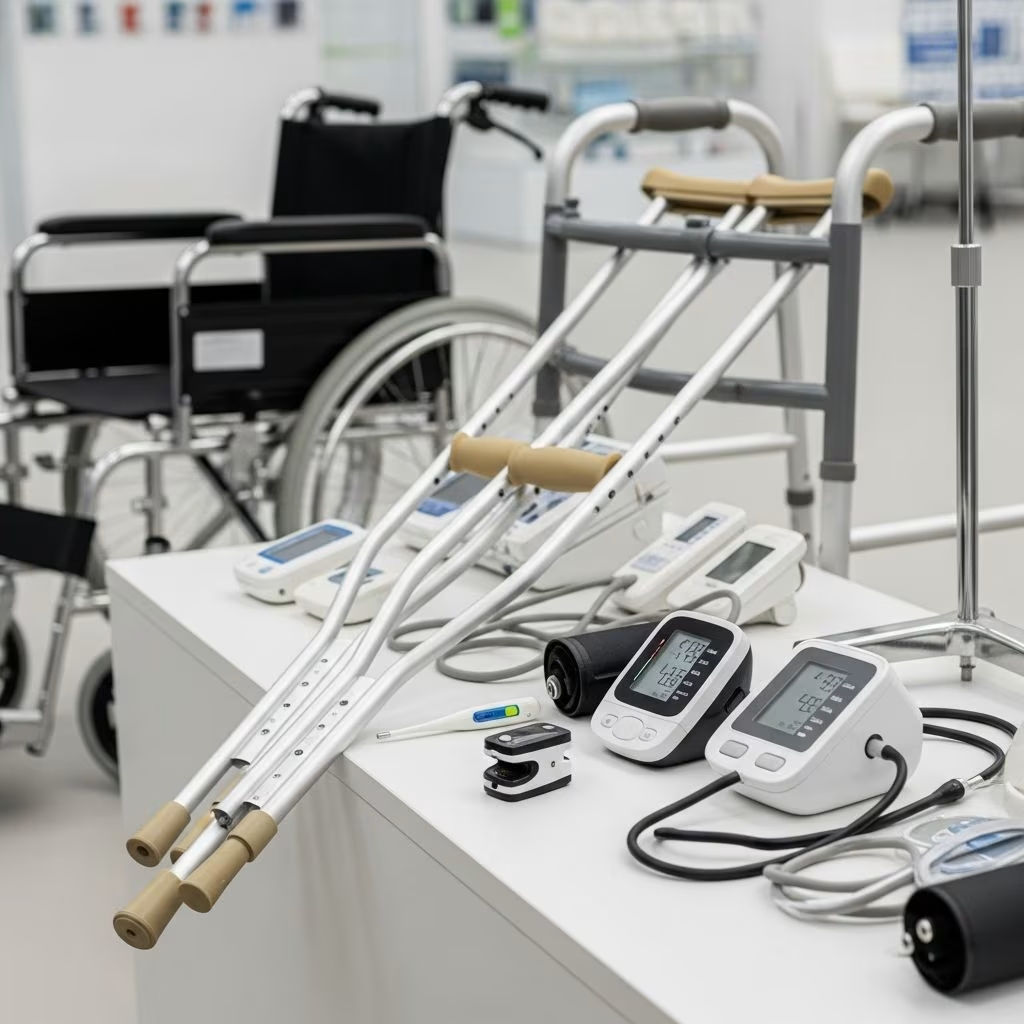
Renting medical equipment is often more cost-effective than buying outright, especially for short-term recovery or temporary needs. This approach provides access to high-quality durable medical equipment (DME) like wheelchairs, hospital beds, and oxygen concentrators without large upfront costs.
Whether recovering from surgery, managing a chronic condition, or aiding a family member at home, rentals offer flexibility, maintenance support, and affordability. Providers handle servicing, ensuring equipment reliability while you focus on health. Below are six proven strategies to find affordable options near you.
1. Check Your Local Pharmacy or Medical Supply Store
Local pharmacies and specialized medical supply stores frequently offer rental programs for common items such as wheelchairs, walkers, crutches, and shower chairs. These businesses stock **durable medical equipment (DME)** tailored for home use, often with competitive daily, weekly, or monthly rates.
For example, stores like Medical Arts Chemists provide hospital beds, mobility aids, and breast pumps with free delivery in areas like New York. Rentals start at a fraction of purchase prices, ideal for post-surgery recovery. Monroe Medical Supplies rents mobility aids, respiratory devices, and bath safety products with personalized setup services.
- Wheelchairs and walkers: $20–$50/week
- Hospital beds: $100–$300/month
- Oxygen concentrators: Varies by duration and insurance
Visit in person or call to inquire about availability, insurance acceptance, and delivery fees. Many offer trial periods to ensure the equipment fits your needs.
2. Explore Online Rental Marketplaces and National Chains
National chains and online platforms expand your options beyond local stores. Companies like Medical Xpress and Harmony Home Medical list rentals online, covering items from stairlifts to nebulizers with flexible terms.
Search for “rent medical equipment near me” to find providers with local warehouses. Benefits include browsing inventories, comparing prices, and scheduling deliveries. Flexible terms suit short-term (days/weeks) or long-term (months) use, with ongoing support for repairs.
| Equipment Type | Typical Rental Cost | Notes |
|---|---|---|
| Hospital Beds | $500–$5,000 total (varies by model) | Monthly rates lower for long-term |
| Nebulizers | $50–$100 | Often insurance-covered |
| Wheelchairs | $20–$100/week | Medicare may cover 80% |
Always verify shipping costs and return policies. Reputable sites ensure FDA-compliant, sanitized equipment.
3. Leverage Insurance Coverage and Medicare Benefits
Many rentals qualify for insurance reimbursement, drastically reducing costs. Medicare Part B covers 80% of approved DME after deductible, including wheelchairs, oxygen equipment, and hospital beds if medically necessary.
Private insurers like those through GoodRx partners often follow similar guidelines. Contact your provider to confirm coverage, obtain a prescription, and choose an accredited supplier. This can make rentals essentially free after copays.
- Get a doctor’s prescription specifying the equipment.
- Verify supplier accreditation (e.g., Medicare-approved).
- Track rental periods, as Medicare caps some at 13 months before ownership transfer.
For non-covered items, assistance programs via hospitals or nonprofits can bridge gaps.
4. Look for Free or Low-Cost Loan Closets
Community resources provide **free medical equipment loans**, perfect for budget-conscious users. Organizations like Lions Clubs, Rotary Clubs, churches, synagogues, and hospital foundations maintain loan closets stocked with gently used wheelchairs, walkers, shower chairs, and hospital beds.
Goodwill and medical thrift stores offer low-cost alternatives. Search locally or via sites like GoodRx for directories. No rental fees apply; donate back when done. This zero-cost option supports aging in place and recovery without financial strain.
Availability varies by location, so call ahead. Items may require cleaning upon return, but the savings are unmatched.
5. Rent from Hospitals or Rehabilitation Centers
Many hospitals and rehab facilities rent surplus equipment at low rates or even for free during transitions home. Post-discharge programs lend items like commodes, bed rails, and lift chairs to ease recovery.
Inquire with your care team about internal rental programs. Larger systems partner with suppliers for seamless handoffs, including delivery and pickup. This ensures continuity of care with minimal hassle.
6. Consider Rent-to-Own or Trial Periods
“Rent before you buy” programs let you test equipment long-term. Providers like Monroe Medical Supplies apply rental payments toward purchase if you decide to keep it.
Trial periods (1–4 weeks) confirm fit without commitment. Ideal for mobility scooters or stairlifts where sizing matters. This minimizes risk and upfront costs.
Types of Medical Equipment You Can Rent
Rentals cover diverse needs:
- Mobility Aids: Wheelchairs, scooters, walkers, knee scooters
- Bedroom Essentials: Hospital beds, bed rails, lift chairs
- Bathroom Safety: Shower chairs, commodes, toilet risers
- Respiratory: Oxygen concentrators, nebulizers
- Accessibility: Stairlifts, portable ramps
Most providers sanitize and inspect items between uses.
Tips for Renting Medical Equipment Successfully
- Assess Needs: Consult your doctor for recommendations.
- Compare Quotes: Get 2–3 from local and online sources.
- Check Maintenance: Confirm included servicing and warranties.
- Understand Terms: Review deposits, minimum rentals, and cancellation policies.
- Delivery & Setup: Prioritize free services for heavy items.
Frequently Asked Questions (FAQs)
Q: How much does it cost to rent a hospital bed?
A: Monthly rentals range from $100–$300, or $500–$5,000 total depending on features. Insurance often covers most costs.
Q: Does Medicare cover medical equipment rentals?
A: Yes, Part B covers 80% of approved DME like wheelchairs and oxygen after deductible, with rental caps.
Q: Where can I find free medical equipment?
A: Check Lions Clubs, churches, hospital foundations, or Goodwill thrift stores for loan closets.
Q: Is rented equipment safe and clean?
A: Reputable providers sanitize and maintain gear per FDA standards.
Q: What’s the minimum rental period?
A: Varies; some offer daily rates, others weekly/monthly. Flexible terms available.
Renting medical equipment empowers affordable, quality care at home. Start by assessing your needs and exploring local options to save significantly.
References
- Affordable Medical Equipment Rental Services for Hospitals and Clinics — Noble Medical Service. 2023. https://www.noblemedicalservice.com/blog/affordable-medical-equipment-rental-services-for-hospitals-and-clinics
- Essential Tips for Renting Medical Equipment with Ease and Affordability — Medical Arts Chemists & Surgicals. 2024. https://medarts.net/essential-tips-for-renting-medical-equipment-with-ease-and-affordability/
- Rent Before You Buy: A Smart Guide to Home Medical Equipment Rentals — Monroe Medical Supplies. 2024. https://monroemedicalsupplies.com/rent-before-you-buy-a-smart-guide-to-home-medical-equipment-rentals/
- Renting Medical Equipment: A Guide to Convenience and Cost-Effectiveness — Medical Xpress. 2023. https://mxp4u.com/blog/renting-medical-equipment/
- Affordable Healthcare: Rise of Medical Equipment Rentals — Harmony Home Medical. 2024. https://harmonyhomemedical.com/blogs/home-medical-resources/affordable-healthcare-rise-of-medical-equipment-rentals
- How Do I Rent Durable Medical Equipment? — Pedistat. 2024. https://www.pedistat.com/blog/how-do-i-rent-durable-medical-equipment
- How to Rent Medical Equipment Near You — GoodRx. 2025-01-01. https://www.goodrx.com/classes/medical-supplies-and-devices/medical-equipment-rental
This article is general information, not personal financial advice. Consider your own situation, or speak with a licensed adviser, before acting on it.


