

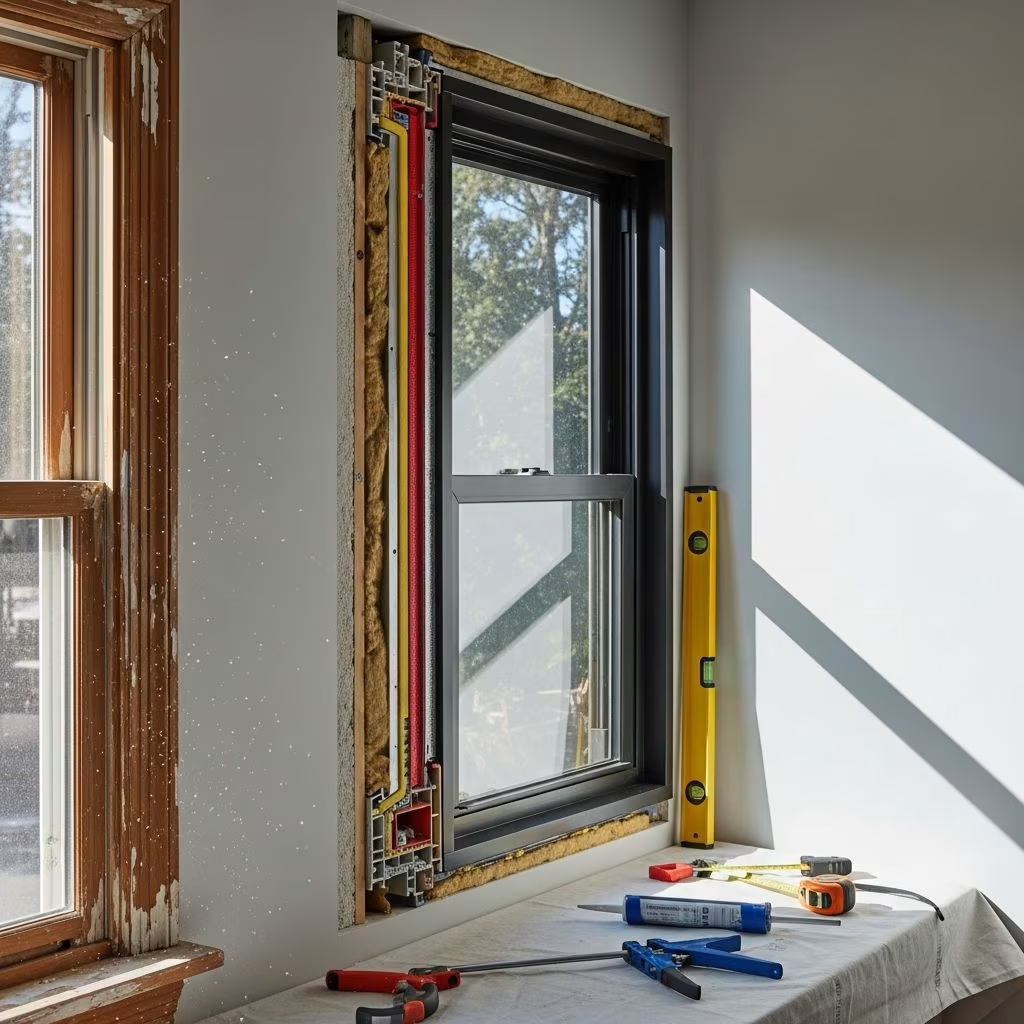
What to Know Before Replacing Your Windows
Window replacement represents one of the most significant home improvement decisions a homeowner will make. It combines aesthetic considerations, financial investments, and energy efficiency benefits. While replacing your windows is neither easy nor inexpensive, understanding the process can help you make an informed decision that maximizes your home’s value and comfort.
Do You Need to Replace Your Current Windows?
Before committing to a window replacement project, it’s essential to evaluate whether your current windows actually need replacing. Several warning signs indicate it’s time for new windows. Look for visible damage such as cracks, warping, or rotting frames. Windows that no longer open or close smoothly, or those that allow drafts to enter your home, are clear indicators of deterioration.
One of the most telling signs is a significant increase in your energy bills. If your heating and cooling costs are rising unexpectedly, poor window insulation may be the culprit. Condensation between window panes suggests that the seal has failed, reducing the window’s insulating properties. Additionally, excessive outside noise entering your home can indicate that your windows aren’t providing adequate sound insulation.
When making your decision, consider the age of your windows. Most windows have a lifespan of 15 to 20 years. If your windows are approaching or exceeding this age range, replacement should be seriously considered, even if they don’t show obvious damage. Modern windows offer substantially improved energy efficiency compared to older models, which can translate into significant long-term savings.
Understanding the Financial Return on Your Investment
One of the most important factors homeowners consider is whether window replacement will pay off when it comes time to sell. The financial reality is encouraging but requires careful planning. According to the National Association of Realtors’ 2023 Cost Versus Value study, homeowners typically recoup 61% to 68% of their replacement window investment when they resell their house.
More specifically, Remodeling Magazine’s 2024 Cost vs. Value report indicates that the return on investment for window replacement hovers around 65% of the total cost. While this may initially seem disappointing, it’s important to remember that this figure accounts for both the upfront costs and the value gained over time. Additionally, the improved comfort and energy savings you enjoy while living in your home represent additional returns that aren’t captured in resale value alone.
The key to maximizing your return on investment is selecting the right windows. Choosing high-quality, energy-efficient windows from reputable manufacturers ensures that your investment enhances your home’s appeal and functionality. Conversely, selecting inappropriate window styles or inferior products can actually detract from your home’s value, making window selection critically important.
Window Replacement Costs Explained
Understanding the true cost of window replacement requires breaking down both the per-window expenses and the total project costs. Individual windows typically cost between $300 and $2,500 each, depending on the type, frame material, and glass specifications you select. For a typical home requiring replacement of 25 windows, the average total investment ranges from $18,000 to $20,000, though this can vary significantly based on your specific choices.
The cost per window varies substantially depending on the window style you choose. Double-hung windows, the most common residential choice, tend to be more affordable than specialty windows like bay windows or picture windows. Frame materials also significantly impact pricing, with vinyl being the most budget-friendly option, while wood and fiberglass command premium prices due to their durability and aesthetic appeal.
It’s typically more cost-effective to replace multiple windows at once rather than tackling individual windows over time. When you replace at least five windows, you benefit from economies of scale in installation costs. If you only need to replace one or two windows, you might consider hiring a handyperson instead of working with a large window company, as this can reduce your overall expense.
Frame Materials and Their Cost Implications
Selecting the right frame material is one of the most important decisions in your window replacement project. Each material offers distinct advantages and price points:
Vinyl frames represent the most affordable option and require minimal maintenance. They provide good insulation and come in various colors. Wood frames offer classic beauty and excellent insulation properties but require regular maintenance and carry higher upfront costs. Fiberglass frames deliver superior durability and insulation while resisting rot and requiring little maintenance, though they’re more expensive than vinyl. Aluminum frames are lightweight and durable but offer poor insulation, making them less suitable for most climates unless thermally broken.
Your choice of frame material should balance your budget constraints with your long-term maintenance preferences and climate considerations. In most cases, the energy savings and reduced maintenance requirements of premium materials can justify their higher initial cost over the window’s lifespan.
Money-Saving Strategies for Window Replacement
Several proven strategies can help you reduce your window replacement costs without compromising quality or installation integrity:
Select the Right Window Type
Different window styles serve different purposes and carry different price tags. Evaluate which window types actually make sense for each location in your home. Consolidating multiple smaller windows into one larger window can significantly reduce costs while creating a more modern appearance.
Plan Larger Projects
Replacing more windows at once reduces the per-window installation cost. Window companies invest in adding customers to their systems and policies; spreading these administrative costs across more windows makes the entire project more economical for both parties.
Optimize Your Payment Method
How you pay for your window replacement can impact the final cost. Credit card processing fees typically range from 2.5% to 4%, and window companies often price projects accordingly. Paying with cash or check can earn you discounts, sometimes up to 5% on larger projects. Avoid promotional financing offers that sound attractive; these typically cost you more money in the long run through interest charges and fees.
Negotiate and Compare Quotes
Don’t accept the first quote you receive. Get multiple estimates from different window companies and use them as negotiating tools. Be transparent about competing offers and ask if companies can match prices without compromising quality or service.
Consider Timing
Window replacement projects may have seasonal variations in pricing and availability. Scheduling your project during slower seasons might result in better pricing and more flexible scheduling options.
Can You Replace Windows Yourself?
For the budget-conscious homeowner, DIY window replacement might seem appealing. You can replace windows yourself with the right tools and preparation, particularly if you’re only replacing glass panes. However, full window installation involving complex frames, siding modifications, and windows on upper floors presents significant challenges that may be too demanding for most DIY projects.
If you lack experience with construction and installation, attempting complex window replacement could result in costly mistakes, improper sealing, and compromised energy efficiency. Professional installation ensures that windows are properly fitted, sealed, and insulated, which protects your investment and maximizes performance benefits.
Energy Efficiency and Long-Term Savings
Modern replacement windows deliver substantial energy efficiency improvements compared to older models. Energy Star certified windows can reduce your heating and cooling costs by $25 to $450 annually, depending on your climate, home size, and existing window condition. Over a 15 to 20-year window lifespan, these savings can accumulate to thousands of dollars.
Energy-efficient windows feature low-emissivity (Low-E) glass coatings that reflect heat while allowing light through, insulating gas fills between panes that reduce heat transfer, and improved frame insulation that minimizes thermal bridging. These technologies work together to maintain more consistent indoor temperatures, reduce HVAC strain, and lower utility bills.
Frequently Asked Questions
Q: How much do replacement windows typically cost per window?
A: Individual windows typically cost between $300 and $2,500 each, depending on the type, materials, and glass specifications. For a complete home replacement of 25 windows, expect an average investment of $18,000 to $20,000.
Q: Will replacing my windows increase my home’s resale value?
A: Yes, but not dollar-for-dollar. Homeowners typically recoup 61% to 68% of their replacement window investment when selling their home, with an average return on investment of approximately 65% according to recent studies.
Q: What are the signs that I need to replace my windows?
A: Key indicators include visible damage like cracks or warping, difficulty opening or closing, drafts, rising energy bills, condensation between panes, excessive outside noise, and age exceeding 15-20 years.
Q: Is DIY window replacement a viable option?
A: Simple glass pane replacement can be DIY-friendly with proper tools. However, full window installation involving frames, siding, and upper-floor windows is best left to professionals to ensure proper fitting, sealing, and energy efficiency.
Q: How can I save money on my window replacement project?
A: Consolidate multiple windows into fewer larger windows, replace at least five windows to achieve economies of scale, pay with cash or check to avoid credit card fees, get multiple quotes, and consider off-season scheduling.
Q: What frame material offers the best value?
A: Vinyl offers the best upfront affordability with minimal maintenance. Wood provides excellent aesthetics and insulation but requires maintenance. Fiberglass delivers superior durability and insulation with minimal upkeep, justifying its premium price through long-term savings.
Q: How much can I save on energy bills with new windows?
A: Energy-efficient replacement windows can reduce heating and cooling costs by $25 to $450 annually, depending on climate and current conditions. Over the window’s lifespan, these savings can total thousands of dollars.
Q: Should I replace all my windows at once or gradually?
A: Replacing multiple windows at once is more cost-effective per window due to reduced installation overhead. If replacing only one or two, hiring an independent handyperson may be more economical than using a large window company.
References
- Cost to Install Replacement Windows in 2025: Is It Worth It? — NerdWallet. 2025. https://www.nerdwallet.com/home-ownership/windows/learn/replacement-windows-cost
- 2024 Cost vs. Value Report — Remodeling Magazine. 2024. https://www.remodeling.hw.net/cost-vs-value
- 2023 Cost Versus Value Study — National Association of Realtors. 2023. https://www.nar.realtor
- 7 Money-Saving Hacks for Your Next Window Renovation — The Window Experts. September 2024. https://TheWindowExperts.com/
- Do New Windows Really Increase Home Value? — Money Magazine. 2025. https://money.com/do-new-windows-increase-home-value/
- 6 Affordable Renovations That Will Instantly Boost Your Home Value — Money Magazine. 2025. https://money.com/affordable-renovations-boost-home-value/
This article is general information, not personal financial advice. Consider your own situation, or speak with a licensed adviser, before acting on it.


