

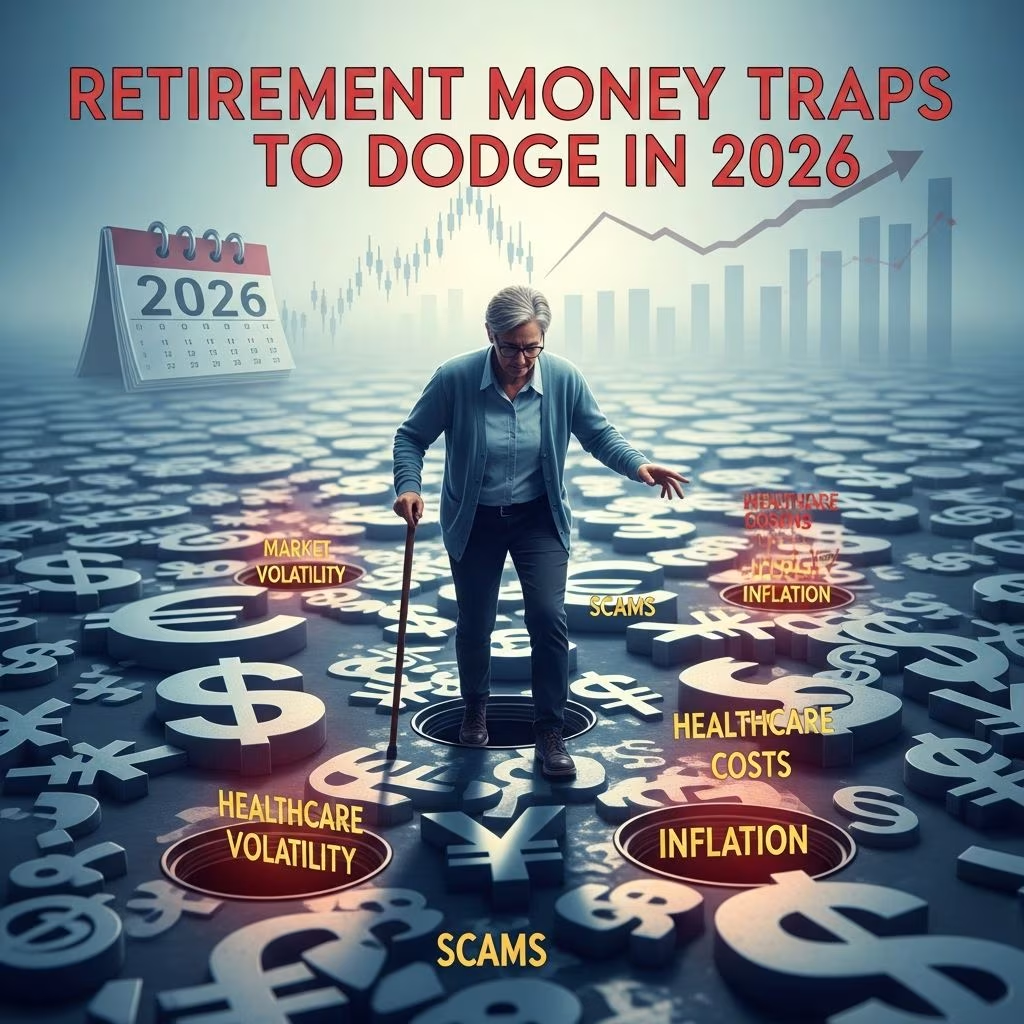
Retirement brings freedom, but it also tests financial discipline. Many enter this phase with solid savings only to see them erode due to avoidable errors. Housing, healthcare, and daily expenses dominate budgets, often exceeding expectations. This guide uncovers prevalent pitfalls and offers actionable steps to preserve wealth.
Understanding Retirement Expense Realities
Retirees’ spending patterns shift over time. Initial years may see higher outlays on travel and leisure, while later stages emphasize healthcare. Data reveals housing claims 30-36% of budgets, making it the top category. Healthcare follows closely, with lifetime costs for a 65-year-old nearing $172,000. Food, transport, insurance, and entertainment round out major areas.
As age advances, total expenditures typically drop, particularly in transportation and recreation. However, medical needs can surge, demanding proactive planning. Underestimating these dynamics leads to shortfalls.
Top Financial Pitfalls Draining Retiree Wallets
Several habits undermine nest eggs. Here’s a breakdown:
- Ill-Suited Healthcare Coverage: Selecting Medicare supplements or plans without matching needs results in high premiums or surprise bills.
- Overreliance on Convenience Services: Meal deliveries, kits, and subscriptions accumulate unnoticed.
- Expensive Property Upgrades: Pulling from retirement accounts for renovations incurs taxes and growth losses.
- Scam Susceptibility: Fraudsters target fixed-income individuals, causing devastating losses.
- No Structured Budget: Lacking a plan invites unplanned drains.
Fixing Healthcare Coverage Choices
Healthcare ranks among the biggest surprises. Many opt for plans during open enrollment without full review, leading to mismatches. Premiums rise, or out-of-pocket costs mount from poor network fits.
To counter this, evaluate options yearly. Free counseling from state health programs aids decisions. Compare premiums against expected usage—low-deductible for frequent visits, high-deductible with savings for healthy retirees. Track changes in health to adjust timely.
| Plan Type | Best For | Potential Pitfall |
|---|---|---|
| Medigap | High usage | Overpaying if rarely used |
| Medicare Advantage | Low premiums | Limited networks |
| Part D Only | Minimal meds | Gaps in coverage |
Trimming Convenience Spending
Modern conveniences tempt retirees. Delivery fees, impulse buys via apps, and forgotten streaming services add hundreds monthly. What starts as minor conveniences balloons budgets.
Segregate budgets: essentials versus fun money. Review subscriptions quarterly—cancel unused ones. Shop weekly lists to curb impulses. Bulk buys save on groceries without waste. Track via apps linking accounts for visibility.
Smart Funding for Home Modifications
Homes demand upkeep. Major fixes like roofs or accessibility ramps strain savings if funded by account withdrawals. Taxes on distributions plus lost compounding hurt long-term.
Alternatives include pre-retirement savings earmarks, home equity lines at low rates, or phased projects. Downsizing frees capital without debt. Government grants for aging-in-place aid eligible seniors.
Shielding Against Fraud and Scams
Retirees lose billions yearly to scams. Investment frauds, grandparent schemes, and tech support cons exploit trust. Unsolicited calls demanding funds signal danger.
Verify every contact. Hang up on suspicious callers; contact officially. Use two-factor authentication. Share finances only with vetted advisors. Report incidents to authorities promptly.
Building a Bulletproof Budget Framework
Without budgets, expenses surprise. Many assume 70-80% pre-retirement spending suffices, but data shows spikes from travel or repairs.
Start with tracking current spends. Project retirement shifts: less commuting, more leisure. Use 4% withdrawal rule cautiously—adjust for markets. Include buffers for inflation, longevity.
Incorporate Social Security timing. Delaying to 70 boosts benefits 8% yearly. Balance with portfolio draws.
Investment Errors to Sidestep
Avoiding stocks entirely misses 10% historical returns. Yet overexposure risks volatility. Diversify with bonds, cash as retirement nears.
Don’t borrow from 401(k)s—halts contributions, forfeits matches. Home equity tempts but adds fixed payments on fixed income. Target-date funds auto-adjust risk.
Long-Term Planning Essentials
Revisit plans annually. Estate documents ensure legacies. Flexibility counters market dips—cut discretionary in down years.
Annuities or pensions provide guaranteed streams. Rebalance portfolios, favoring stability over growth late-stage.
Frequently Asked Questions
How much should I budget for healthcare?
Plan for $172,000 lifetime from age 65, per studies. Annual reviews keep costs in check.
Is downsizing worth it?
Yes, for many—releases equity, lowers maintenance without debt.
When to claim Social Security?
Delay if possible for higher payouts, unless health dictates otherwise.
How to detect scams?
Unsolicited demands, urgency, or personal info requests are red flags.
What’s the 4% rule?
Withdraw 4% first year, adjust for inflation. Sustainable in most scenarios.
Steps to Secure Your Retirement Now
- Assess spending with recent data.
- Optimize insurance annually.
- Audit subscriptions and conveniences.
- Plan home needs strategically.
- Fortify against fraud.
- Draft/update budget and estate plan.
Implementing these shields wealth, enabling enjoyable retirement. Proactive management turns potential traps into triumphs.
References
- How Retirees Are Sometimes Wasting Their Money and How To Avoid Repeating These Mistakes in 2026 — Mutual Assurance. 2026-01-15. https://www.mutual-assurance.com/post/how-retirees-are-sometimes-wasting-their-money-and-how-to-avoid-repeating-these-mistakes-in-2026
- 16 Retirement Mistakes You Will Regret Forever — Kiplinger. 2025-11-20. https://www.kiplinger.com/slideshow/retirement/t047-s001-retirement-mistakes-you-will-regret-forever/index.html
- Retiring in 2026? Avoid this common money mistake experts warn about — The Economic Times. 2026-02-10. https://economictimes.com/news/international/us/retiring-in-2026-avoid-this-common-money-mistake-experts-warn-about/articleshow/126164451.cms
This article is general information, not personal financial advice. Consider your own situation, or speak with a licensed adviser, before acting on it.


