

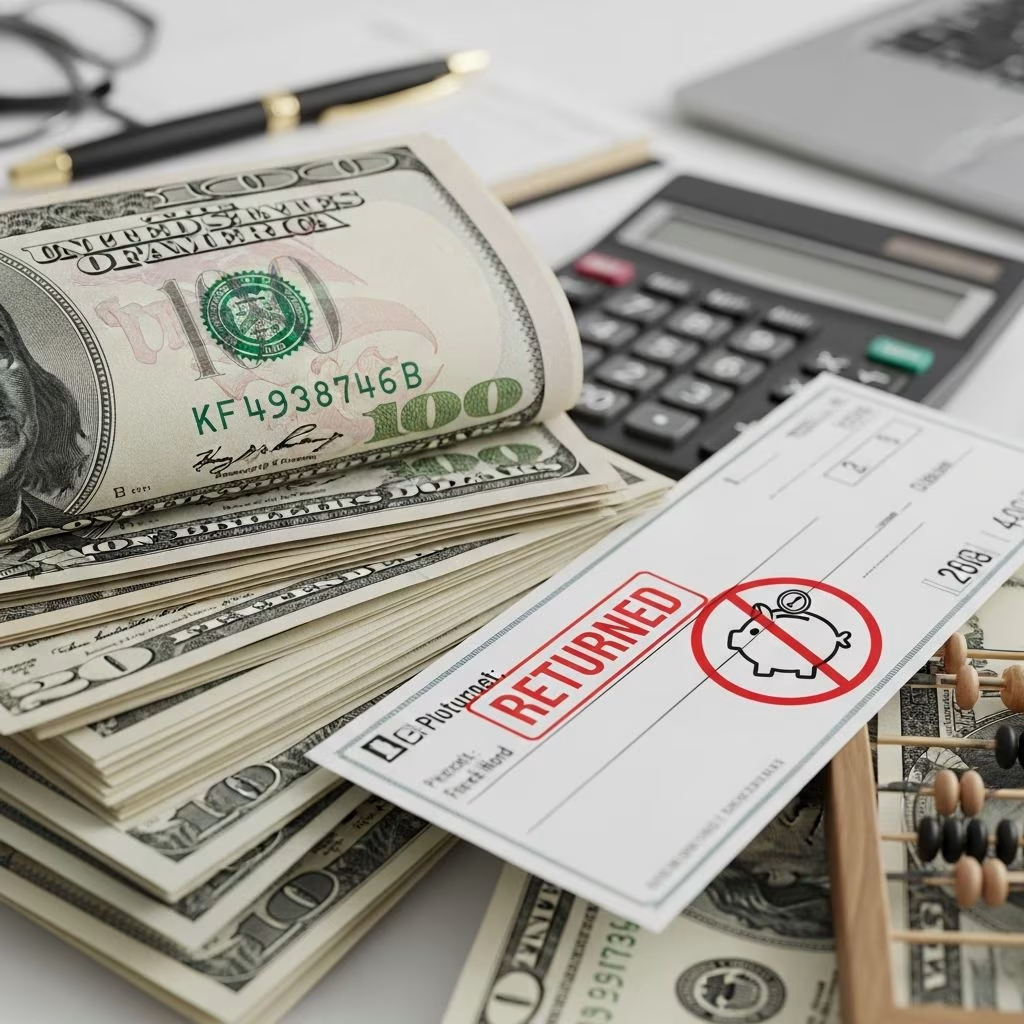
Returned payment fees arise when a scheduled transaction fails to process, often due to inadequate account balances or processing glitches, leading to penalties from both banks and payees. These charges, typically ranging from $25 to $40, can compound with other costs like nonsufficient funds fees, amplifying financial strain.
Defining Returned Payment Fees
A returned payment fee is a penalty imposed when an electronic transfer, check, or autopay attempt bounces because the originating bank rejects it. Common triggers include insufficient funds (NSF), closed accounts, or incorrect details, prompting the payee—such as a credit card company, utility provider, or lender—to levy this fee to offset administrative expenses.
Unlike overdraft fees, which allow transactions to proceed by dipping into negative balances, returned payment fees occur when banks outright decline the debit to prevent overdrafts. This safeguard aims to protect consumers from deeper debt but still results in separate charges.
Common Triggers for Payment Returns
Payments fail for several reasons beyond just low balances:
- Insufficient Funds: The primary culprit, where account balances fall short of the payment amount.
- Closed or Frozen Accounts: If the account is no longer active or restricted, transactions halt.
- Incorrect Information: Typos in account numbers, routing details, or payer names cause rejections.
- Processing Errors: Technical issues, like debit card locks or bank holidays, can interrupt flows.
- Chargebacks: Cardholders disputing charges lead to reversals and potential fees.
Autopay setups for bills, loans, or subscriptions are particularly vulnerable, as they process automatically without manual checks.
Cost Breakdown of Returned Payments
Fees vary by institution but follow predictable patterns. Here’s a comparison:
| Type of Fee | Typical Amount | Charged By | Average (2024) |
|---|---|---|---|
| Returned Payment Fee | $25-$40 | Payee (e.g., Credit Card Issuer) | $25-$40 |
| NSF Fee | $17-$35 | Your Bank | $17.71 |
| Overdraft (if applicable) | $30-$35 | Your Bank | N/A |
| Late Fee (if payment misses due date) | $25-$40 | Payee | Varies |
Multiple fees can stack: a declined autopay might trigger a returned payment fee from the creditor, an NSF from your bank, and interest if it causes a late payment. In 2024, major banks began phasing out some NSF fees, but credit unions and smaller institutions often maintain them at around $34.
Who Imposes These Fees?
Responsibility splits between parties:
- Payees: Credit card issuers, loan servicers, gyms, or utilities charge returned payment fees directly.
- Banks: Issue NSF fees for declined debits from their end.
- Merchants/Recipients: For checks, the payee might add their own penalty atop bank charges.
Credit card companies are frequent culprits for electronic payments, while banks handle check-related returns. Policies differ, so reviewing terms with your providers is essential.
Financial and Credit Consequences
Beyond immediate costs, failed payments ripple outward. If a return precedes your bill’s due date, it registers as late, accruing interest and potentially harming your credit score via reported delinquencies. Repeated incidents may flag accounts for restrictions, like suspended autopay privileges.
For credit cards, grace periods vanish on unpaid balances, leading to immediate interest on new charges. In severe cases, persistent NSF issues could prompt account closures, complicating future banking.
Prevention Strategies for Smooth Payments
Avoiding these fees requires proactive habits:
- Monitor Balances: Use apps to track accounts daily, especially before autopay dates.
- Enable Alerts: Set low-balance notifications from your bank.
- Dedicated Accounts: Maintain a separate checking account solely for bills, funded in advance.
- Overdraft Protection: Link to savings or lines of credit, though fees may apply.
- Verify Details: Double-check payment info before scheduling.
- Buffer Funds: Keep 10-20% extra in accounts for unexpected timing issues.
Switching to fee-free banks or those with overdraft waivers can further minimize risks.
Handling a Returned Payment
If a payment bounces:
- Contact Immediately: Call the payee to explain and request a waiver, especially for first offenses or good history.
- Resubmit Promptly: Fund the account and retry to avoid late status.
- Negotiate Fees: Politely ask your bank to reverse NSF charges; success rates are higher with clean records.
- Document Everything: Keep records of communications for disputes.
Some issuers attempt a second pull before charging, offering a grace window.
Legal Caps and Regulations
Federal rules cap credit card late fees at $8 for first offenses (as of recent CFPB adjustments), but returned payment fees often fall outside this, remaining at $25-$40. State laws vary: some limit NSF to $15-$25. Check your state’s banking department for specifics. The CFPB monitors unfair practices, providing complaint avenues if fees seem excessive.
Alternatives to Traditional Payments
To bypass risks:
- Digital Wallets: Link apps like PayPal or Venmo for buffer protections.
- Prepaid Cards: Load exact amounts to prevent overspending.
- Bill Pay Services: Bank tools that verify funds first.
- Manual Transfers: Log in and confirm balances before initiating.
Frequently Asked Questions
What triggers a returned payment fee?
Primarily insufficient funds, but also closed accounts, errors, or disputes.
Can I get a returned payment fee waived?
Yes, contacting the issuer quickly often succeeds, particularly for one-offs.
Does a returned payment hurt my credit?
Only if it causes a late payment reported to bureaus.
What’s the difference between NSF and returned payment fees?
NSF is from your bank; returned payment is from the payee.
Are NSF fees going away?
Many big banks eliminated them by 2024, but not all.
Key Takeaways
Returned payment fees are avoidable with vigilance and smart banking choices. By understanding triggers and costs, you can protect your wallet from these stealthy charges.
References
- What is a Returned Payment fee? — Palo Alto University Help Center. Accessed 2026. https://help.paloaltou.edu/what-is-a-returned-payment-fee
- Credit Card Returned Payment Fees — SoFi. 2024. https://www.sofi.com/learn/content/credit-card-returned-payment-fee/
- What are Returned Check Fees? — PayBlox. Accessed 2026. https://payblox.com/blog/what-are-returned-check-fees/
- Returned Payment Fee — ClubReady Support. Accessed 2026. https://clubready.zendesk.com/hc/en-us/articles/4405998224653-Returned-Payment-Fee
- What Is a Returned Payment Fee? — Experian. 2024-04-06. https://www.experian.com/blogs/ask-experian/what-is-returned-payment-fee/
- Returned payment fee definition — CreditCards.com. Accessed 2026. https://www.creditcards.com/glossary/term-returned-payment-fee/
This article is general information, not personal financial advice. Consider your own situation, or speak with a licensed adviser, before acting on it.


