

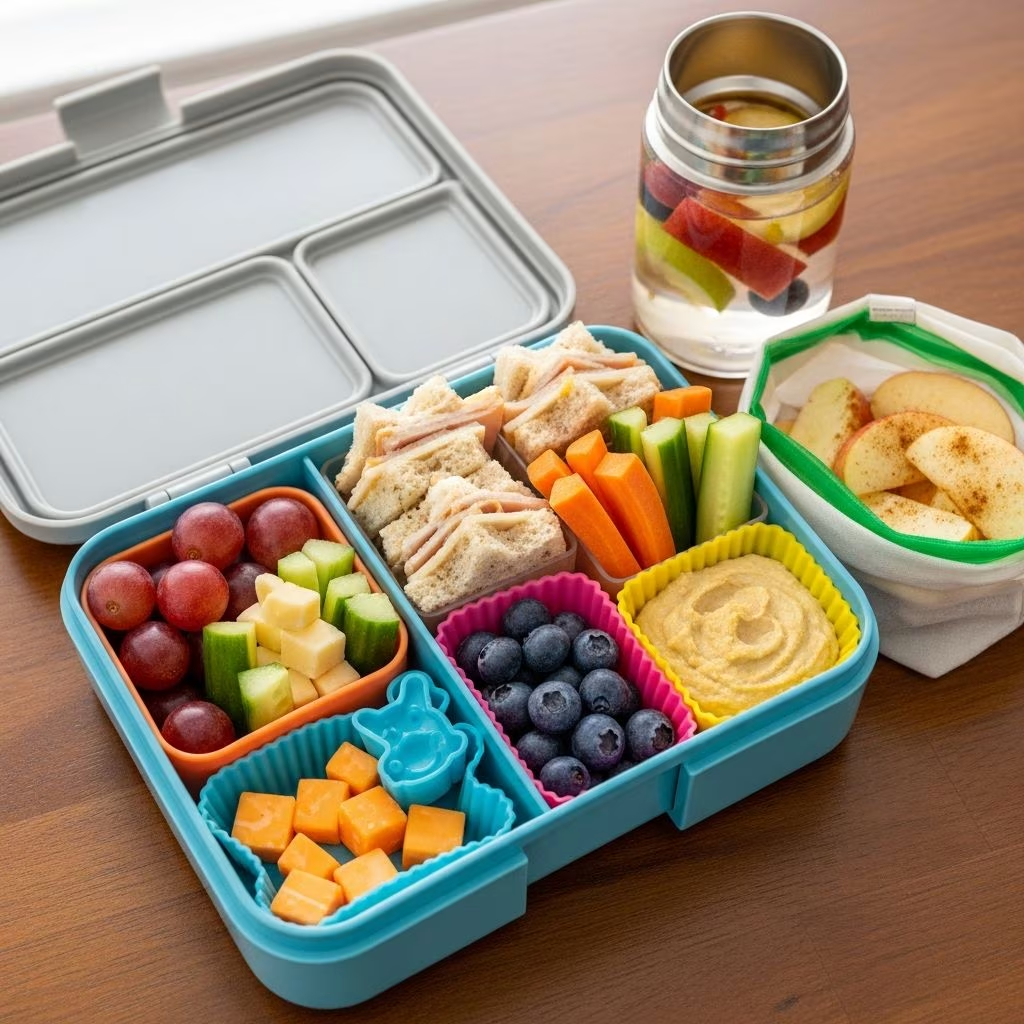
Packing school lunches that kids eagerly consume can transform chaotic mornings into smooth routines while cutting costs compared to cafeteria meals or takeout. By focusing on balance, variety, and involvement, parents can create nutritious lunches that appeal to picky eaters and support long-term healthy habits.
Why Pack School Lunches?
School lunches offer control over nutrition, portion sizes, and ingredients, often at a fraction of the cost of buying. According to the USDA, home-packed lunches can save families up to $3 per meal, adding up to significant annual savings. They also reduce exposure to processed foods and allergens common in school cafeterias. Beyond savings, packed lunches encourage trying new foods in a familiar setting.
Plan Ahead for Success
Fail to plan, and you plan to fail—preparation is key. Shop weekly for staples like fruits, veggies, proteins, and grains. Pre-portion snacks on weekends to avoid morning rushes. Use a simple framework: protein + fat, grain, fruit, veggie, crunchy snack, and something sweet. This ensures balance without monotony.
- Make a shopping list based on kid preferences.
- Batch-prep on Sundays: wash berries, cube cheese, make salads.
- Pack the night before during dinner cleanup for smoother mornings.
Invest in the Right Gear
Quality containers make lunches appealing and safe. Opt for insulated lunch bags with ice packs to keep food cool—insulated vinyl outperforms paper or metal. Stainless steel bento-style boxes with compartments prevent sogginess and allow small portions.
| Container Type | Pros | Cons | Best For |
|---|---|---|---|
| Stainless Steel Bento | Dishwasher-safe, multiple sections, durable | Not fully sealed, needs dressing cups | Balanced meals with variety |
| Insulated Vinyl Bag | Keeps cool, affordable | Requires cleaning daily | Hot/cold climates |
| Salad Shakers | BPA-free, dressing separator | Limited to salads | Veggie-heavy lunches |
Bonus: Duplicate sets mean no waiting for washes.
Build Balanced, Kid-Approved Lunches
Combine categories creatively to hit nutritional goals. Examples from real parents:
- Sunbutter & banana sandwich (protein/fat + fruit + grain), snap crisps (crunchy), blueberries (fruit), bell peppers (veggie), low-sugar gummies (sweet).
- Salami & mozzarella (protein/fat), Ritz crackers (grain/crunchy), carrot sticks with ranch (veggie), dried strawberries + chocolate chips (fruit/sweet).
- Tuna salad with pickles (protein/fat + veggie), pretzels (grain), veggie sticks (crunchy), Skout bar (fruit), M&Ms (sweet).
Double up where possible, like nut-free muffins covering grain and sweet. Keep servings small to minimize waste—kids often eat less than expected.
Utilize Leftovers Creatively
Transform dinner remnants into lunch stars. Pack chili, pasta salads, or green noodles if room-temp friendly. Freezer containers allow variety: cook big batches, portion, and thaw as needed. No microwave? Opt for wraps, cold salads, or grain bowls.
- Rice/quinoa bowls: avocado, beans, cheese, salsa.
- Tortilla pinwheels: cream cheese, deli meat, greens.
- Spring rolls: rice paper with veggies, peanut sauce.
Make It Fun and Appealing
Kids eat with their eyes. Use cookie cutters for sandwiches, colorful compartments, or “surprise” notes. Offer choices: two proteins, let them pick. Involve them in packing to build ownership and introduce new foods gradually. Teachers appreciate minimal packaging and variety options.
Food Safety Essentials
Prevent spoilage with clean containers daily, ice packs, and separation of wet/dry items. Use airtight cups for dressings. Perishable proteins like tuna or cheese must stay below 40°F.
Batch Prep Hacks
Sunday sessions save weekdays:
- Pre-wash/cut fruits and veggies.
- Batch salads: tuna, egg, chicken.
- Bake muffins or prep sandwiches (jelly in middle to avoid sogginess).
- Cube cheese, portion dips.
Cardboard separators prevent sweat from ruining dry items.
No Microwave? No Problem
Focus on room-temp winners: wraps, salads, cold pasta, baked potatoes (pre-cook), pita pockets with fillings like BLT or Caesar.
Stretch Your Budget
Buy in bulk: 10lb potatoes for a month’s lunches at $1/bag. Use generics, seasonal produce. Leftovers cut waste by 50%.
Frequently Asked Questions (FAQs)
What if my kid is a picky eater?
Start with favorites, add one new item small-portioned. Involve them in choices and packing for buy-in.
How do I keep lunches cold without ice packs?
Freeze juice boxes or grapes overnight; use insulated bags chilled in fridge. Pre-chill bento boxes.
Can I send hot foods?
Yes, with thermos: soups, pasta. Pre-heat with boiling water, fill hot, seal tight.
What are quick grain alternatives?
Pita, tortillas, crackers, rice/quinoa bowls, spring roll wrappers.
How much should a lunch cost?
Aim for $1-2 per meal using leftovers and bulk buys, vs. $3+ cafeteria.
Sample Weekly Lunch Plan
| Day | Main | Sides | Treat |
|---|---|---|---|
| Monday | Turkey wrap | Apple slices, carrots, pretzels | Yogurt |
| Tuesday | Cheese quesadilla | Grapes, cucumber, crackers | Dark chocolate |
| Wednesday | Tuna salad crackers | Banana, celery/ranch, snap peas | Gummies |
| Thursday | Ham & cheese rollups | Berries, bell peppers, pita chips | Muffin |
| Friday | Leftovers pasta salad | Orange, broccoli, popcorn | Cookies |
This plan uses the cheat sheet for balance, incorporates leftovers, and varies to prevent boredom. Total weekly cost: under $10 for one child.
Consistent planning yields lunches kids love, fostering healthy eaters while saving time and money. Experiment with preferences and watch consumption soar.
References
- my lunchbox-packing cheat sheet — What to Cook Substack. 2023-10-15. https://whattocook.substack.com/p/my-lunchbox-packing-cheat-sheet
- 15 Ways to Make Brown Bagging It Better Than Buying Lunch — Wise Bread. 2015-08-20. https://www.wisebread.com/15-ways-to-make-brown-bagging-it-better-than-buying-lunch
- Food Safety Tips for Packing School Lunches — Newswise. 2024-09-01. https://www.newswise.com/articles/food-safety-tips-for-packing-school-lunches2
This article is general information, not personal financial advice. Consider your own situation, or speak with a licensed adviser, before acting on it.


