

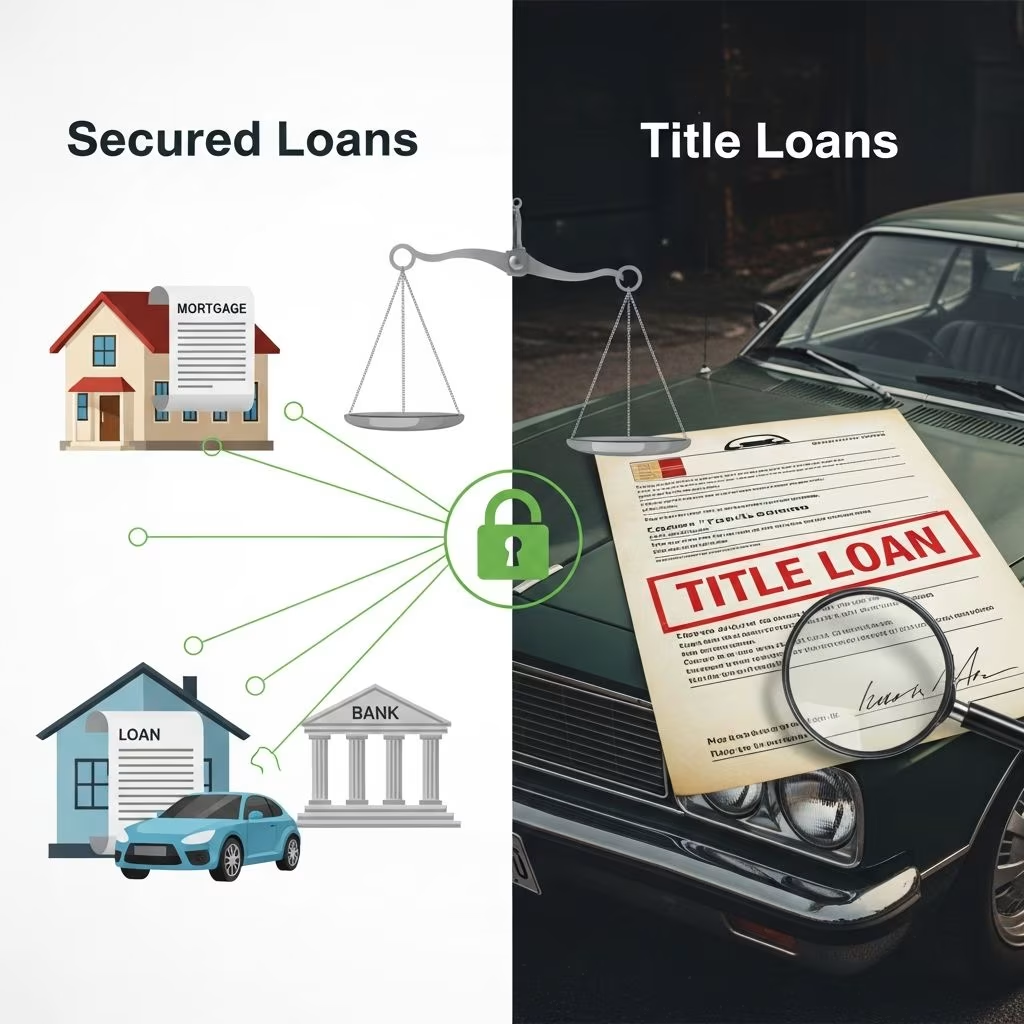
Both secured loans and title loans use collateral to secure funding, but they differ significantly in costs, terms, and risks. Secured loans often provide more favorable conditions, while title loans carry high fees and repossession threats.
Understanding Collateral in Borrowing
Collateral is an asset pledged to a lender to back a loan, reducing the lender’s risk. If payments fail, the lender can seize and sell the collateral to recover funds. This feature makes secured borrowing accessible even for those with weaker credit profiles.
- Common collateral types include vehicles, savings accounts, or personal property.
- It lowers interest rates compared to unsecured options by mitigating default risk.
- Borrowers retain use of most collateral during repayment, unlike riskier arrangements.
What Defines a Secured Personal Loan?
A secured personal loan involves borrowing a lump sum repaid in fixed installments, backed by assets like a vehicle title, certificate of deposit, or household items. Lenders assess credit score, income, and debt-to-income ratio alongside collateral value.
These loans suit various needs, from debt consolidation to home improvements, with terms spanning 2-5 years. Approval hinges partly on financial stability, not solely asset value.
| Feature | Details |
|---|---|
| Loan Amounts | $1,000 to $50,000 |
| Interest Rates | Typically up to 36% APR |
| Repayment Period | 24-60 months |
| Credit Check | Required; impacts terms |
Borrowers keep using assets like cars daily, with liens placed only upon default.
The Nature of Title Loans
Title loans are short-term advances using a vehicle’s title as collateral, often targeting urgent cash needs. Lenders hold the title and sometimes keys until full repayment, which is due in 15-30 days. No credit checks are standard; loan size bases on 25-50% of vehicle value.
These loans feature fees translating to APRs up to 300%, with auto-renewal options adding more charges. They’re prevalent where quick funds are needed but banned or restricted in many states due to predatory practices.
- Ideal for emergencies if car ownership is clear.
- High risk of losing the vehicle on default.
- Frequent rollovers trap borrowers in debt cycles.
Direct Comparison: Secured vs Title Loans
While both rely on collateral, secured personal loans prioritize borrower stability, whereas title loans emphasize asset value for rapid disbursement.
| Aspect | Secured Personal Loan | Title Loan |
|---|---|---|
| Term Length | 2-5 years | 15-30 days |
| APR Range | Up to 36% | Up to 300% |
| Collateral Use | Retain asset; lien on default | Title surrendered upfront |
| Approval Factors | Credit, income, DTI | Vehicle value |
| Renewal | No auto-renew; fixed schedule | Often rolls over with fees |
Secured options foster manageable repayment, reducing default likelihood.
Risks and Consequences of Default
Defaulting on either loan risks asset loss, but title loans accelerate repossession since lenders control titles immediately. Secured loans allow time for catch-up before liens activate.
- Title Loan Pitfalls: Rapid vehicle seizure disrupts transportation and employment.
- Secured Loan Safeguards: Grace periods and credit reporting encourage resolution.
- Both impact credit if reported, but title loans rarely build positive history.
Statistics highlight title loan dangers: many borrowers lose vehicles, facing compounded fees.
Eligibility and Application Process
Secured personal loans require proof of income, credit history, and collateral details. Applications involve online or in-branch submissions with faster processing for qualified applicants.
Title loans demand a lien-free vehicle title, ID, and often spare keys. Approval is near-instant but limited by car appraisal.
- Gather documents: ID, proof of income/ownership.
- Appraise collateral value.
- Review terms and sign agreement.
Financial Impacts on Credit and Budget
Timely secured loan payments boost credit scores via reported history. Title loans seldom report positive activity, offering no long-term benefit.
Budgeting for secured loans is straightforward with fixed payments aligning to paychecks. Title loans’ lump-sum due dates strain finances, prompting costly extensions.
Alternatives to High-Risk Borrowing
Explore credit union secured loans, pawnshop options, or personal installment loans for better rates. Unsecured loans suit strong credit profiles; payday alternatives like salary advances minimize collateral needs.
- Credit builder loans for poor credit.
- 0% APR credit cards for short-term gaps.
- Family loans or community aid programs.
When to Choose Each Option
Opt for secured personal loans for planned expenses needing larger sums over time. Reserve title loans solely for dire, verifiable emergencies with ironclad repayment plans.
Assess total costs: a $1,000 title loan at 300% APR balloons quickly, versus a secured loan at 20% over years.
Strategies for Responsible Borrowing
Calculate affordability using online tools. Negotiate terms, read fine print on fees/renewals, and maintain emergency funds to avoid collateral-dependent loans.
Frequently Asked Questions
Can I get a secured loan with bad credit?
Yes, collateral offsets poor credit, though rates may be higher. Lenders evaluate overall profile.
Do title loans affect my credit score?
Rarely positively; defaults may not report but lead to collections impacting scores.
How much can I borrow with a title loan?
Typically 25-50% of your vehicle’s appraised value.
Are secured loans available online?
Many lenders offer digital applications with quick funding.
What happens if I miss a title loan payment?
Lenders may repossess your vehicle immediately.
References
- Secured Loans vs. Title Loans: What’s the Real Difference? — LPI Loans. 2023. https://www.lpiloans.com/secured-loans-vs-title-loans-whats-the-real-difference/
- Title Loan vs. Secured Loan — Experian. 2024-05-15. https://www.experian.com/blogs/ask-experian/title-loan-vs-secured-loan/
- Car title loan vs. secured personal loan — Oportun. 2024. https://oportun.com/financial-education/car-title-loan-vs-secured-personal-loan/
- Car Title Loans: What You Need to Know — Navy Federal Credit Union. 2023-10-01. https://www.navyfederal.org/makingcents/auto/car-title-loans.html
- What Is a Title Loan and How Does It Work? — OneMain Financial. 2024. https://www.onemainfinancial.com/resources/loan-basics/what-is-a-title-loan-and-how-does-it-work
This article is general information, not personal financial advice. Consider your own situation, or speak with a licensed adviser, before acting on it.


