

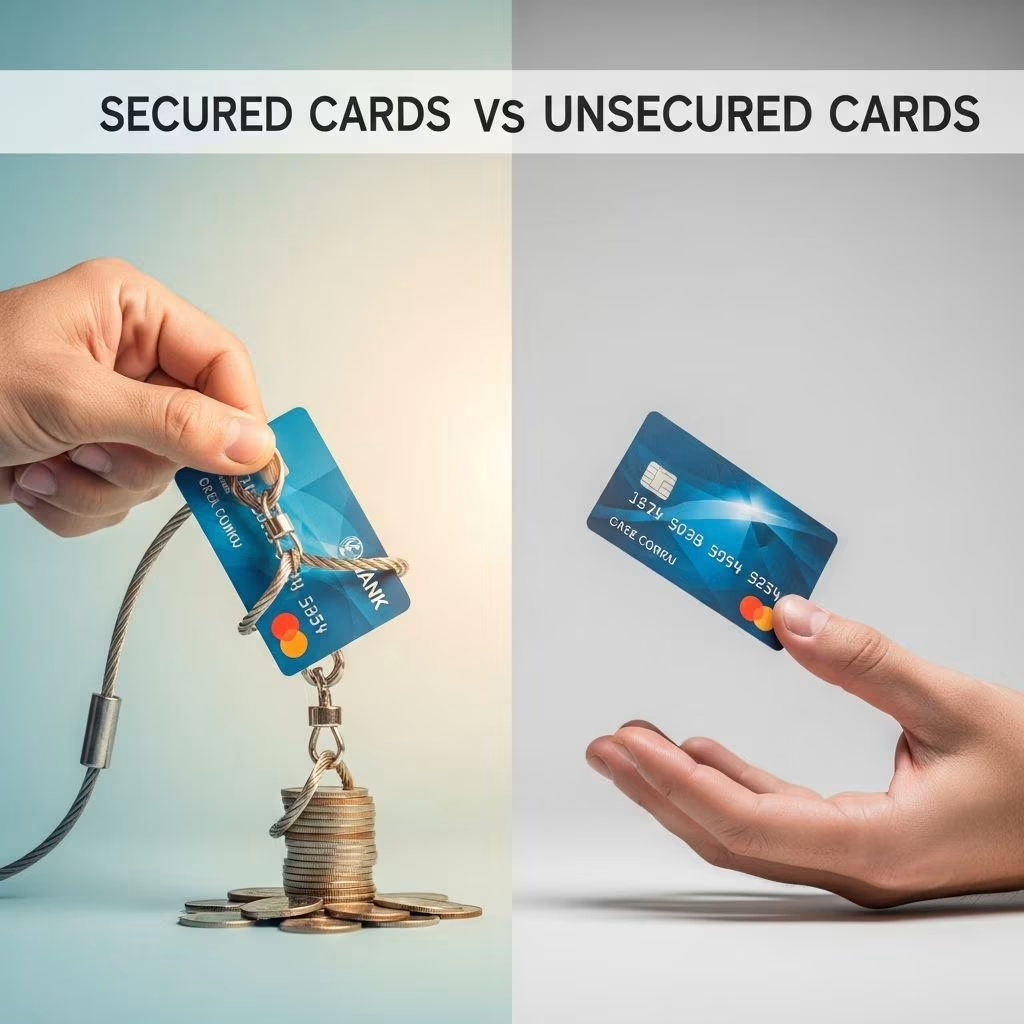
Credit cards serve as powerful tools for managing daily expenses and establishing a solid financial foundation. Among the various options available, **secured** and **unsecured credit cards** stand out as primary choices, especially for those aiming to build or rebuild credit. Secured cards require a deposit that acts as collateral, while unsecured cards rely on your creditworthiness without such upfront commitment. Understanding their mechanics, benefits, and drawbacks empowers you to select the right card and use it wisely.
Fundamentals of Credit Cards
At their core, credit cards provide revolving credit, allowing you to borrow up to a predetermined limit, make purchases, and repay over time. Unlike debit cards that draw directly from your bank account, credit cards let you spend borrowed funds from the issuer, with the obligation to repay plus any interest if not cleared in full. Approval hinges on factors like income, existing debt, and credit history, determining your credit limit—the maximum borrowable amount.
Each purchase reduces available credit, and payments replenish it, creating a cycle of borrowing and repayment. Billing cycles, typically 30 days, culminate in a statement detailing transactions, balances, minimum payments due, and interest accrued. Paying in full within the grace period—usually 21-25 days after the statement—avoids interest charges entirely.
What Are Secured Credit Cards?
**Secured credit cards** cater to individuals with limited or poor credit histories. They require a security deposit, often matching your credit limit, which the issuer holds as collateral. For instance, a $300 deposit might secure a $300 limit. This deposit is refundable upon account closure in good standing, minus any unpaid balances.
These cards report activity to credit bureaus just like traditional cards, helping build a positive payment history when used responsibly. Ideal for beginners or those recovering from financial setbacks, they offer a low-risk entry into credit management.
Advantages of Secured Cards
- Accessible Approval: Easier qualification without strong credit, based mainly on deposit amount.
- Credit Building: On-time payments boost scores over time.
- Controlled Spending: Limit tied to deposit prevents overextension.
- Path to Upgrades: Good behavior may lead to unsecured card transitions.
Potential Drawbacks
- Upfront deposit ties up funds.
- Possible fees like annual or application charges.
- Lower limits compared to unsecured options.
Unsecured Credit Cards Explained
**Unsecured credit cards**, the standard variety, demand no deposit. Issuers assess risk via credit score, income, and debt-to-income ratio to set limits and terms. Higher scores often yield better limits, lower rates, and perks like rewards.
These cards suit those with established credit, offering flexibility for everyday use, travel, or rewards earning. However, misuse can lead to high interest debt, as balances revolve with accruing APRs.
Key Benefits
- No deposit required, freeing personal funds.
- Higher potential limits for larger purchases.
- Rewards programs: cash back, points, or miles.
- Convenience and widespread acceptance.
Challenges to Consider
- Stricter approval for low-credit applicants.
- Higher APRs possible for subprime borrowers.
- Risk of debt accumulation without discipline.
Comparing Secured and Unsecured Cards Side-by-Side
To choose wisely, evaluate core differences. The table below highlights key contrasts:
| Feature | Secured Cards | Unsecured Cards |
|---|---|---|
| Deposit Required | Yes (equals limit) | No |
| Credit Score Needed | Low or none | Good to excellent |
| Credit Limit | Low ($200-$500 typical) | Higher (varies widely) |
| Fees | Often annual + activation | Variable, potentially lower |
| Rewards | Rare | Common |
| Best For | Building credit | Established users |
This comparison shows secured cards as stepping stones, while unsecured ones offer advanced features for creditworthy users.
Building Credit Responsibly with Either Card
Success with any card demands strategy. Keep utilization under 30%—balance divided by limit—to signal responsibility to bureaus. Pay on time every time, as this factor weighs 35% of FICO scores. Monitor statements for errors and set payment alerts.
Start small: Charge routine expenses like gas or groceries, paying off monthly. Avoid cash advances, which carry high fees and immediate interest. Over time, consistent habits elevate scores, potentially unlocking better unsecured options.
Common Pitfalls to Avoid
- Missing payments, triggering penalty APRs.
- Maxing limits, harming utilization ratios.
- Ignoring fees like late or over-limit charges.
- Applying frequently, dinging inquiries.
Navigating Credit Card Statements
Mastering statements ensures control. Key sections include:
- Account Summary: Opening balance, payments, new charges, and closing balance.
- Transactions: Itemized purchases, credits, and fees.
- Payment Due: Minimum amount and date—pay more to reduce interest.
- APR Breakdown: Purchase, transfer, and cash rates.
- Available Credit: Remaining borrowable amount.
Review monthly to track spending and catch issues early.
Fees, Rates, and Costs Demystified
Credit cards involve various charges:
- Annual Fee: Yearly cost for card privileges.
- Interest (APR): Varies by balance type—purchases lowest, cash highest.
- Late Fee: For missed payments.
- Balance Transfer Fee: 3-5% for moving debt.
Introductory 0% APR offers provide breathing room but end, hiking rates.
When to Choose Secured Over Unsecured
Opt for secured if you’re new to credit, post-bankruptcy, or have scores below 600. They’re forgiving starters. Graduate to unsecured after 6-12 months of perfect payments, as many issuers auto-review for upgrades.
For strong profiles (scores 670+), unsecured cards maximize rewards without deposit hassles.
Real-World Strategies for Success
Combine cards strategically: Use secured for building, unsecured for rewards. Automate payments to avoid lapses. Track via apps for utilization. As scores rise, negotiate better terms or apply for premium cards.
Frequently Asked Questions (FAQs)
What is the main difference between secured and unsecured cards?
Secured requires a refundable deposit as collateral; unsecured does not, relying on credit history.
Can secured cards help improve my credit score?
Yes, through on-time payments and low utilization reported to bureaus.
How long to build credit with a secured card?
Typically 6-12 months of responsible use shows improvement.
Are there rewards on secured cards?
Rarely; focus is credit-building over perks.
What happens to my deposit if I close a secured card?
Refunded if account is current; offsets any debt otherwise.
Conclusion: Empower Your Financial Future
Whether starting with a secured card or leveraging an unsecured one, responsible use transforms credit from risk to asset. Assess your needs, commit to best practices, and watch your financial options expand.
References
- How Credit Cards Work: A Beginner’s Guide — Navy Federal Credit Union. 2025. https://www.navyfederal.org/makingcents/credit-debt/credit-card-basics.html
- How Does A Credit Card Work? Beginner Guide 101 — YouTube. 2023. https://www.youtube.com/watch?v=EqpZYH9FEe8
- Credit Cards 101 — NerdWallet. 2025. https://www.nerdwallet.com/credit-cards/learn/credit-cards-101
- Credit Card Basics: A Beginner’s Guide — Edvisors. 2024. https://www.edvisors.com/credit-cards/credit-card-faqs/credit-card-basics/
- A Beginner’s Guide to Credit Cards — Commerce Bank. 2025-01-15. https://www.commercebank.com/personal/ideas-and-tips/2025/a-beginners-guide-to-credit-cards
This article is general information, not personal financial advice. Consider your own situation, or speak with a licensed adviser, before acting on it.


