

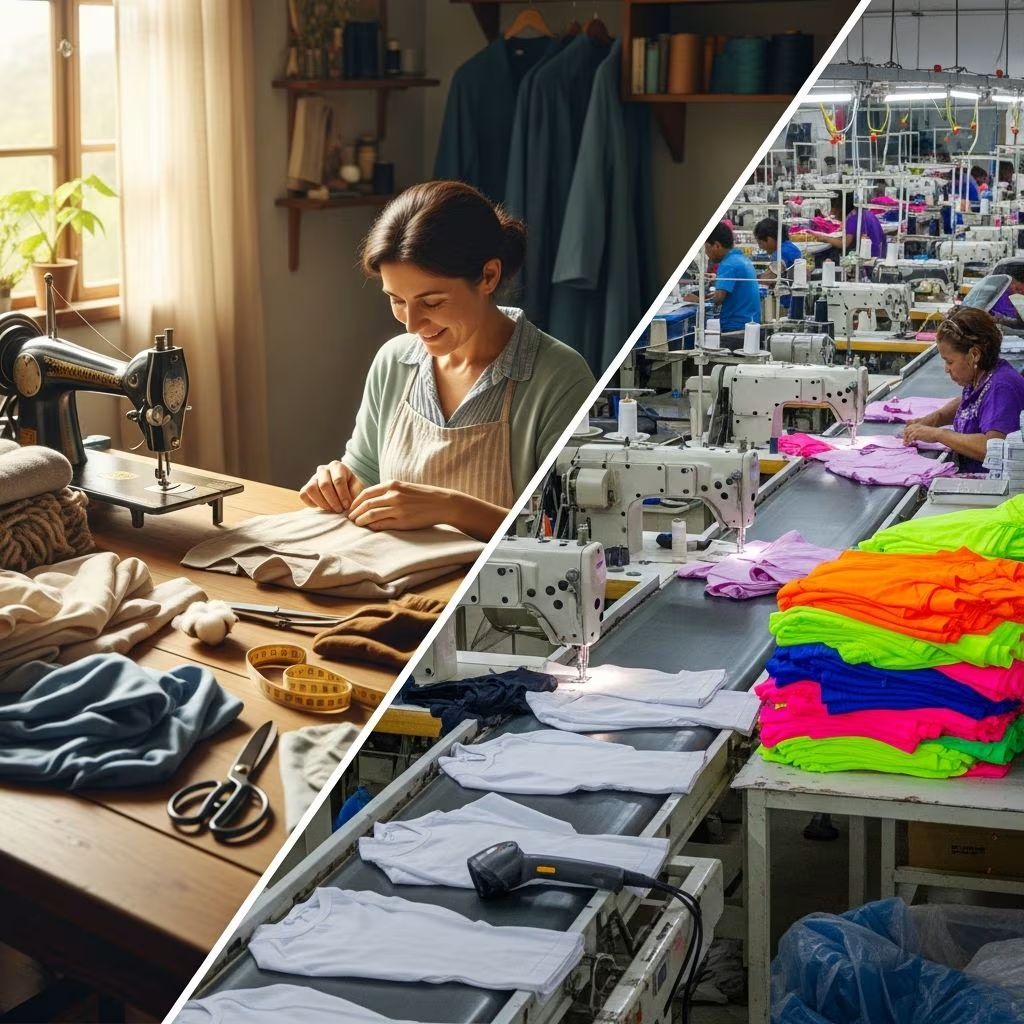
What you wear is more than just style. It affects your finances, the environment, and the people who make your clothes. Understanding the difference between slow fashion and fast fashion can help you build a wardrobe that aligns with your values and supports your long-term money goals.
This guide breaks down what slow and fast fashion are, how they impact your wallet and the planet, and simple steps you can take to make smarter clothing choices without sacrificing style.
What Is Fast Fashion?
Fast fashion is a business model where brands rapidly produce trendy clothing at very low prices so that consumers can buy new items frequently throughout the year. Collections are designed and manufactured at high speed, often copying runway looks and celebrity styles and turning them into cheap versions in a matter of weeks.
Fast fashion typically features:
- Very low prices that encourage impulse buying.
- Constantly changing collections to push you to keep purchasing.
- Lower-quality materials and construction, which often means clothes wear out or lose shape quickly.
- High production volumes to maximize profits.
Major fast fashion brands often release dozens of collections a year, creating a cycle of buy, wear briefly, and discard, which fuels overconsumption and waste.
Key Characteristics of Fast Fashion
- Speed: Clothes move from design to store shelves in just weeks.
- Trend-driven: Focus on the latest styles instead of durability.
- Low cost, low quality: Prices are kept low by cutting corners on materials and labor.
- High environmental impact: Heavy use of synthetic fibers (like polyester), chemical dyes, and energy-intensive production.
- Questionable labor practices: Production is often outsourced to factories with low wages and poor working conditions, particularly in low-income countries.
What Is Slow Fashion?
Slow fashion is the opposite approach: it prioritizes quality, sustainability, fair labor, and longevity over speed and trends. It encourages consumers to buy fewer items, choose well, and keep them for longer.
Slow fashion is closely related to concepts like ethical fashion and sustainable fashion. It focuses on:
- Timeless designs instead of trend cycles.
- Higher-quality fabrics and construction that last many years.
- Ethical production with safer working conditions and fairer pay.
- Lower environmental impact through more sustainable materials and processes.
For consumers, slow fashion means being intentional: planning purchases, caring for what you own, and resisting the pressure to constantly buy new outfits.
Core Principles of Slow Fashion
- Quality over quantity: Fewer items, better made.
- Transparency: Brands share where and how items are made.
- Longevity: Designs and fabrics are meant to last season after season.
- Respect for people and planet: More attention to wages, working conditions, and environmental impact.
Slow Fashion vs Fast Fashion: A Side-by-Side Comparison
Here is a simplified comparison of fast fashion and slow fashion to help you see the differences at a glance.
| Aspect | Fast Fashion | Slow Fashion |
|---|---|---|
| Production speed | Very fast; many collections per year. | Deliberate and slower; fewer collections. |
| Design focus | Trendy, short-lived styles. | Timeless, versatile pieces. |
| Price per item | Low upfront cost. | Higher upfront cost, but longer lifespan. |
| Quality | Often low; may wear out quickly. | Higher quality fabrics and construction. |
| Environmental impact | High waste, heavy use of synthetics and chemicals, large carbon footprint. | Lower impact; more natural or recycled materials, potentially better resource management. |
| Labor conditions | Often low wages and poor working conditions. | Stronger focus on fair wages and safe workplaces. |
| Business model | Encourages frequent purchases and disposable clothing. | Encourages mindful purchases and long-term use. |
| Consumer mindset | Impulse buys, trend-chasing, low brand loyalty. | Value-driven, quality-focused, higher brand loyalty. |
How Fast Fashion Impacts the Environment and People
The fast fashion model has serious consequences for both the planet and garment workers.
Environmental Impact
- High resource use: The fashion industry consumes large amounts of water, energy, and raw materials, especially for cotton and synthetic fibers.
- Textile waste: Globally, millions of tons of clothing are discarded each year, much of it coming from fast fashion and ending up in landfills or incinerators.
- Pollution: Synthetic fibers like polyester shed microplastics during washing, contributing to microplastic pollution in rivers and oceans.
- Chemical use: Dyeing and finishing processes can release harmful chemicals and untreated wastewater into the environment if not properly controlled.
Social and Labor Issues
Fast fashion production is often concentrated in low-wage countries where oversight is limited. Research highlights that the pressure to keep costs low can lead to:
- Low wages that do not meet basic living costs.
- Long working hours and unrealistic production targets.
- Unsafe working conditions in some factories, including fire risks and building safety concerns.
These issues are central reasons why many consumers are rethinking fast fashion and exploring more ethical alternatives.
How Slow Fashion Can Support Your Financial Goals
Slow fashion often costs more per item, but when you look at the cost per wear, it can be better for your budget in the long run.
Cost Per Wear: Why Quality Can Save You Money
Instead of only asking, “How much does this cost?” slow fashion encourages you to ask, “How many times will I actually wear this?”
For example:
- A $20 fast fashion top worn 4 times = $5 per wear.
- A $60 slow fashion top worn 40 times = $1.50 per wear.
Even though the slow fashion item is more expensive at checkout, it delivers better value and reduces the need to replace items constantly.
Financial Benefits of a Slow Fashion Mindset
- Fewer impulse purchases: You plan your wardrobe, which can cut down on emotional or stress shopping.
- Better budgeting: You save for intentional purchases instead of frequently spending on low-cost items that add up.
- More resale value: Higher-quality items are easier to sell secondhand.
- Lower replacement costs: Durable clothing means you buy less often.
How to Transition from Fast Fashion to Slow Fashion
You do not need to replace your entire wardrobe or spend a lot of money to embrace slow fashion. Start where you are and make gradual changes.
1. Start With What You Own
- Take inventory: Go through your closet and note what you wear often and what you never reach for.
- Care for your clothes: Follow washing instructions, mend small tears, and repair buttons or zippers to extend the life of what you already have.
- Restyle pieces: Try new combinations, layering, or accessories to make existing clothes feel fresh.
2. Define Your Personal Style
- Identify colors, fits, and silhouettes you feel best in.
- Favor timeless basics and versatile pieces that can be mixed and matched.
- Create a small list of wardrobe gaps you genuinely need to fill.
3. Shop More Intentionally
When you do need to purchase new items, use a simple checklist:
- Will I wear this at least 20–30 times?
- Does it work with multiple items I already own?
- Is the fabric and stitching solid and durable?
- Does the brand share information about its materials and factories?
Consider these options before buying new:
- Thrifting and consignment stores.
- Clothing swaps with friends or community groups.
- Online resale platforms for secondhand items.
4. Learn to Read Labels
Understanding labels can help you choose more durable and sustainable items:
- Look for natural fibers like organic cotton, linen, wool, or responsibly produced cellulosic fibers, when possible.
- Check care instructions to ensure you can realistically maintain the item.
- Look out for third-party certifications (for example, organic or fair labor certifications) as one indicator of better practices, while still doing your own research.
5. Embrace a “Less but Better” Wardrobe
A slow fashion wardrobe often means owning fewer items that you truly love and wear regularly. You might find it helpful to:
- Experiment with a capsule wardrobe—a curated selection of versatile pieces for a season.
- Set a monthly or annual clothing budget and track your spending.
- Create a 24–48 hour rule before buying non-essential clothing to reduce impulse purchases.
Common Myths About Slow Fashion
“Slow fashion is only for people with a high income.”
While some slow fashion brands are expensive, the core idea of slow fashion is about buying less and using what you have. You can practice slow fashion on any budget by choosing secondhand, caring for your clothes, and resisting unnecessary purchases.
“I have to throw away all my fast fashion to be ‘ethical.’”
Slow fashion does not require you to purge your wardrobe. In fact, the most sustainable item is the one you already own. Use, repair, and cherish what you have, regardless of where it came from.
“I can’t be stylish if I don’t follow trends.”
Developing a personal style that suits your lifestyle and body often results in a more polished and consistent look than chasing micro-trends. Timeless, well-fitted pieces can feel more elevated than constantly changing fads.
Practical Checklist: Building a Slow Fashion Wardrobe
Use this quick checklist when shopping or organizing your closet:
- ✔ I know what’s already in my wardrobe.
- ✔ I’m buying this because I need it, not just because it’s on sale.
- ✔ This item matches at least three things I already own.
- ✔ I can see myself wearing it many times over multiple seasons.
- ✔ The fabric and seams feel sturdy, and I’ve checked for flaws.
- ✔ I have read and can follow the care instructions.
Frequently Asked Questions (FAQs)
Q: Is slow fashion always more expensive than fast fashion?
A: Slow fashion pieces usually have higher upfront prices, but because they are better quality and designed to last longer, the cost per wear can be lower over time than frequently replacing cheap items.
Q: Can I still buy from fast fashion brands if I’m trying to be more sustainable?
A: You can start where you are. Some people choose to reduce how often they buy from fast fashion, focus on only purchasing items they will wear for a long time, or balance fast fashion with secondhand and higher-quality pieces. The goal is to buy less, use longer, and be more intentional.
Q: What are some budget-friendly ways to practice slow fashion?
A: Shop your own closet first, learn simple mending skills, buy secondhand, organize clothing swaps, and set a clothing budget. These actions reduce waste and can significantly cut your overall fashion spending.
Q: How do I know if a brand is truly slow or sustainable?
A: Look for transparency about factories, materials, and wages on their website, as well as third-party certifications where available. Be cautious of vague claims like “eco-friendly” without clear details, and compare what the brand says with its prices, product volume, and frequency of new collections.
Q: Does slow fashion mean I can never buy something just for fun?
A: Slow fashion is about intention, not perfection. Planning most of your purchases and treating clothing as long-term investments leaves more space in your budget and closet for the occasional fun piece that you genuinely love and will enjoy wearing.
References
- Slow Fashion vs. Fast Fashion – What’s the Difference? — MUD Jeans. 2023-06-15. https://mudjeans.com/blogs/blog/slow-versus-fast-fashion
- Comparative Analysis of Fast Fashion and Slow Fashion on Consumer Purchase Behavior — RSIS International (International Journal of Research and Innovation in Social Science). 2023-08-01. https://rsisinternational.org/journals/ijriss/articles/comparative-analysis-of-fast-fashion-and-slow-fashion-on-consumer-purchase-behavior/
- Fast Fashion vs Slow Fashion: What Are the Differences? — SANVT. 2022-10-10. https://sanvt.com/blogs/journal/fast-fashion-vs-slow-fashion
- Fast Vs Slow Fashion: Can Fast Fashion Ever Be Slowed Down? — Rare & Fair. 2022-04-20. https://rareandfair.com/blogs/the-slow-scoop/fast-fashion-vs-slow-fashion
- What Is Slow Fashion? Slow Fashion versus Fast Fashion — House of U. 2021-11-30. https://www.houseofu.com/en/blog/slow-fashion-what-it-is-and-why-you-really-have-to-do-something-with-it-as-a-designer/
This article is general information, not personal financial advice. Consider your own situation, or speak with a licensed adviser, before acting on it.


