

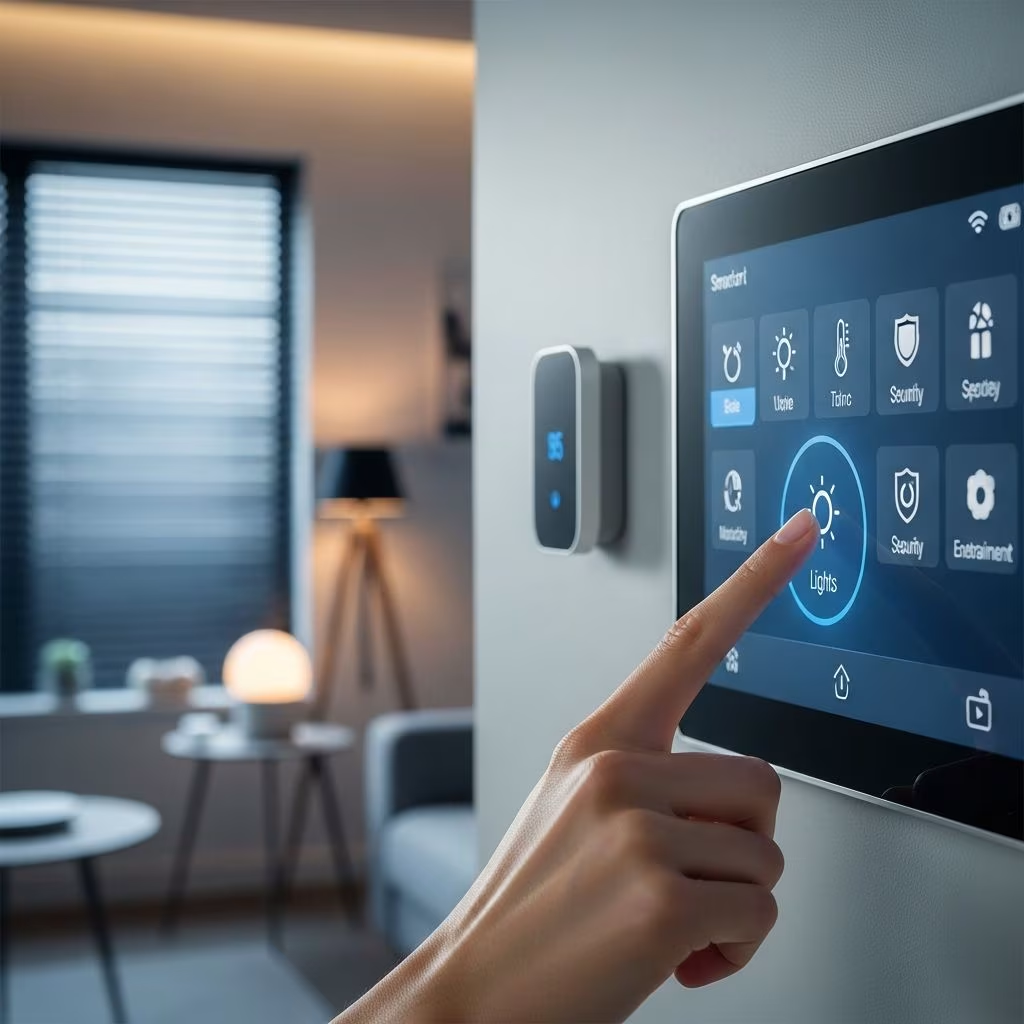
What Is a Smart Home?
A smart home is a living space equipped with advanced internet-connected technology that enables automation, remote control, and real-time monitoring of various home systems and appliances. Rather than manually controlling individual devices, a smart home creates an interconnected ecosystem where all devices communicate with each other and respond to commands from a central location. Whether you’re on your couch or traveling for work, you can manage your thermostat, lights, security system, and numerous other features with just a few taps on your smartphone.
The concept of a smart home has evolved from a futuristic fantasy to an accessible reality for millions of homeowners. Today, smart home technology is becoming increasingly common, with nearly one-fifth of U.S. homes now equipped with smart devices, and the industry valued at approximately $30 billion. This growth reflects the increasing recognition of the convenience, security, and efficiency benefits that smart home systems provide.
Any type of residential property can become a smart home—whether it’s a traditional house, apartment, or condo. New constructions may arrive with built-in smart technology, but existing homes can easily integrate smart devices to achieve the same level of automation and control. The flexibility and scalability of smart home systems mean that homeowners can start small with basic devices and expand their ecosystem over time.
How Smart Homes Work
Smart homes operate through a sophisticated network of interconnected devices that communicate wirelessly with each other and a central control system. The fundamental design principle behind smart homes is adaptability—the system learns from your daily habits and routines, then adjusts itself accordingly to enhance comfort, convenience, and efficiency while potentially minimizing energy consumption.
The basic operation involves internet-enabled devices and appliances connecting to your home network, where each device can be controlled through a smartphone, tablet, smartwatch, or voice commands. You can also automate smart devices to follow specific schedules or react to sensor data. For example, you can program a smart thermostat to lower the temperature at night or set smart lights to turn on only when motion sensors detect movement in a room.
Core Components of a Smart Home System
Understanding the essential building blocks helps explain how smart homes function:
- Smart Device: An appliance or device that connects to your home network and can be controlled through an app or voice command. Examples include smart thermostats, lights, locks, and cameras.
- Smart Hub (Central Control Hub): The brain of the smart home system, the hub provides a central place to receive and route commands to all your devices. It’s often a physical device, such as a smart speaker or a small device attached to your internet router, and it coordinates communication between all connected devices.
- Control Application: The software interface on your smart hub device or smartphone that allows you to access and control your devices remotely. This app is your primary tool for interacting with your smart home system from anywhere.
- Internet Connectivity: A reliable internet connection is essential for all wireless communication between devices and remote access capabilities.
- Wireless Connectivity: Devices communicate through WiFi, Bluetooth, Z-Wave, or other wireless protocols, creating the interconnected network that defines a smart home.
Key Smart Home Devices and Systems
Smart homes incorporate a variety of specialized devices and systems designed to enhance different aspects of your living experience. These devices are individual gadgets made “smarter” than their traditional counterparts through internet connectivity and automation capabilities.
Popular Smart Home Devices
- Smart Thermostats: Learning thermostats that analyze your daily routines and adjust temperature automatically, helping reduce energy bills and maintain optimal comfort levels.
- Smart Lighting: Remote-controlled bulbs that can turn on and off according to schedules, or adjust brightness and color based on time of day or user preferences.
- Smart Security Systems: Including smart locks, video doorbells, and connected security cameras that allow remote monitoring and real-time alerts for unusual activity.
- Voice-Controlled Speakers: Devices like Amazon Echo or Google Home that enable hands-free control of your smart home through voice commands.
- Smart Leak Detection Sensors: Devices placed in leak-prone areas that notify you immediately if water is detected, allowing you to address problems before they escalate.
- Smart Appliances: Connected kitchen and laundry appliances that can be monitored and controlled remotely.
- Smart Furniture: Beds, sofas, and other furnishings with integrated technology for enhanced functionality and comfort.
Overarching Smart Home Systems
Beyond individual devices, smart home systems provide overarching frameworks that connect and coordinate subordinate devices and appliances:
- Home Security and Monitoring Systems: Integrated platforms that coordinate smart locks, cameras, sensors, and alerts into a cohesive security solution.
- Lighting Control Systems: Centralized management of all smart lights throughout your home with scheduling and automation capabilities.
- Energy Management Systems: Comprehensive platforms that track and optimize energy consumption across all connected devices and appliances.
Advantages of Smart Homes
Investing in smart home technology offers numerous tangible benefits that enhance your quality of life in multiple ways:
Convenience
One of the primary advantages of a smart home is the extraordinary convenience it provides. Control and automate various aspects of your home with your smartphone or voice commands, saving time and providing reassurance in different scenarios. Whether you’re checking if a door is locked before leaving for vacation or adjusting your thermostat from bed, smart homes eliminate the need to physically interact with every device.
Energy Efficiency
Smart home features that attune to your preferences and routines can lead to significantly reduced energy expenditure. For example, a thermostat programmed to shut down automatically to conserve energy can substantially decrease your utility bills. Smart water heaters that monitor your typical usage and only heat water when needed represent another way these systems optimize energy consumption, benefiting both the environment and your wallet.
Enhanced Security
Smart home security systems and devices such as video doorbells and smart locks provide an added layer of protection for your property. Real-time alerts and remote access features allow you to monitor your home and respond to potential threats, even when you’re away. Smart locks eliminate the need for shared garage codes or distributing keys, while cameras and motion sensors provide comprehensive surveillance and can alert you to break-ins or package thefts in progress.
Higher Property Values
Installing smart home technology can increase your home’s resale value. Homebuyers increasingly recognize the appeal of move-in-ready smart homes equipped with modern technology, making them willing to pay premium prices for these properties.
Improved Quality of Life
By scheduling device usage to suit your day-to-day routines, smart homes promote a better quality of life. Comprehensive smart home products spanning security, entertainment, heating, and lighting work together to create a comfortable living environment tailored to your specific needs.
Smart Home Features and Capabilities
Modern smart homes come equipped with an array of features that make them more secure, efficient, and eco-friendly than regular homes:
| Feature | Description | Benefit |
|---|---|---|
| Voice Control | Use smart speakers to command and control devices by speaking | Hands-free convenience and accessibility |
| Automations | Pre-program actions for devices to complete automatically | Eliminates repetitive manual tasks |
| Central Access | Use smartphone or smartwatch to control all smart devices | Centralized management from one interface |
| Remote Access | Control devices and systems from anywhere globally | Peace of mind and flexibility when away |
| Energy Savings | Systems track and anticipate usage, optimizing functions | Lower utility bills and environmental benefits |
| Access Control | Smart locks provide complete control over entry and timing | Enhanced security and keyless convenience |
| Security Upgrades | Motion sensors, cameras, and interconnected systems | Comprehensive monitoring and threat detection |
Getting Started with Smart Home Technology
Transforming your house into a smart home doesn’t require a massive investment or technical expertise. Begin with identifying your priorities—whether security, energy efficiency, or convenience is most important to you. Start with foundational devices such as surveillance systems, smart lighting, and thermostats, then gradually expand your ecosystem as you become more comfortable with the technology.
All that’s required is an internet connection and a smart home hub to begin automating appliances and devices throughout your house. Program systems like garage doors or video doorbells through your mobile phone, or set up scheduling for lighting to suit your lifestyle. The modular nature of smart home systems means you can customize your setup to match your preferences and budget.
Frequently Asked Questions
Q: What is the main purpose of a smart home?
A: The main purpose of a smart home is to create a convenient, efficient, and secure living environment by automating tasks, enabling remote control of devices, and monitoring home systems. Smart homes learn from your habits and routines to adjust settings automatically, enhancing comfort while reducing energy consumption and costs.
Q: Can I convert my existing home into a smart home?
A: Yes, absolutely. Any existing home can integrate smart devices to become a “smart home,” regardless of whether it’s a traditional house, apartment, or condo. While newer constructions may come with built-in smart technology, older homes can easily add smart devices to achieve the same level of automation and control.
Q: Do I need a smart hub to have a smart home?
A: While not always mandatory, a central smart hub is highly recommended as it serves as the “brain” of your smart home system, coordinating communication between all connected devices. Without a hub, you may need to control each device individually through separate apps, which is less convenient than having centralized control.
Q: How much can a smart home save on energy bills?
A: Savings vary depending on your current usage patterns and which devices you install, but smart thermostats and automated lighting systems can significantly reduce energy consumption. A thermostat programmed to automatically adjust temperatures based on your schedule can provide substantial monthly savings on heating and cooling costs.
Q: Are smart homes secure against hackers?
A: While smart homes offer enhanced security features like smart locks and surveillance cameras, any internet-connected system requires careful attention to cybersecurity. Protect your smart home by using strong passwords, keeping firmware updated, choosing devices from reputable manufacturers, and using secure networks with encryption.
Q: What smart devices should I start with?
A: Begin with devices that address your primary concerns—whether that’s security (smart locks and cameras), energy efficiency (smart thermostats), or convenience (smart lighting). Many experts recommend starting with a smart thermostat and smart lighting, then expanding to security devices as your system grows.
Q: How do smart homes increase property value?
A: Smart homes with modern, integrated technology appeal to contemporary homebuyers who recognize the convenience, security, and efficiency benefits these systems provide. Homes equipped with smart technology can command higher resale prices, making smart home investment a potentially worthwhile upgrade for future value appreciation.
References
- Smart Home: What It Is, How It Works, Pros & Cons — Chase Bank. 2025. https://www.chase.com/personal/mortgage/education/finding-a-home/smart-home
- What is a smart home? Definition, benefits, and best devices — Rocket Mortgage. 2025. https://www.rocketmortgage.com/learn/smart-home
- Smart Homes: Everything You Need To Know — Level Lock. 2025. https://level.co/stories/what-is-a-smart-home/
- Smart Home 101: How Technology Transforms Homes — CEDIA. June 25, 2024. https://cedia.org/en-us/homeowners/knowledge/what-is-a-smart-home/
This article is general information, not personal financial advice. Consider your own situation, or speak with a licensed adviser, before acting on it.


