

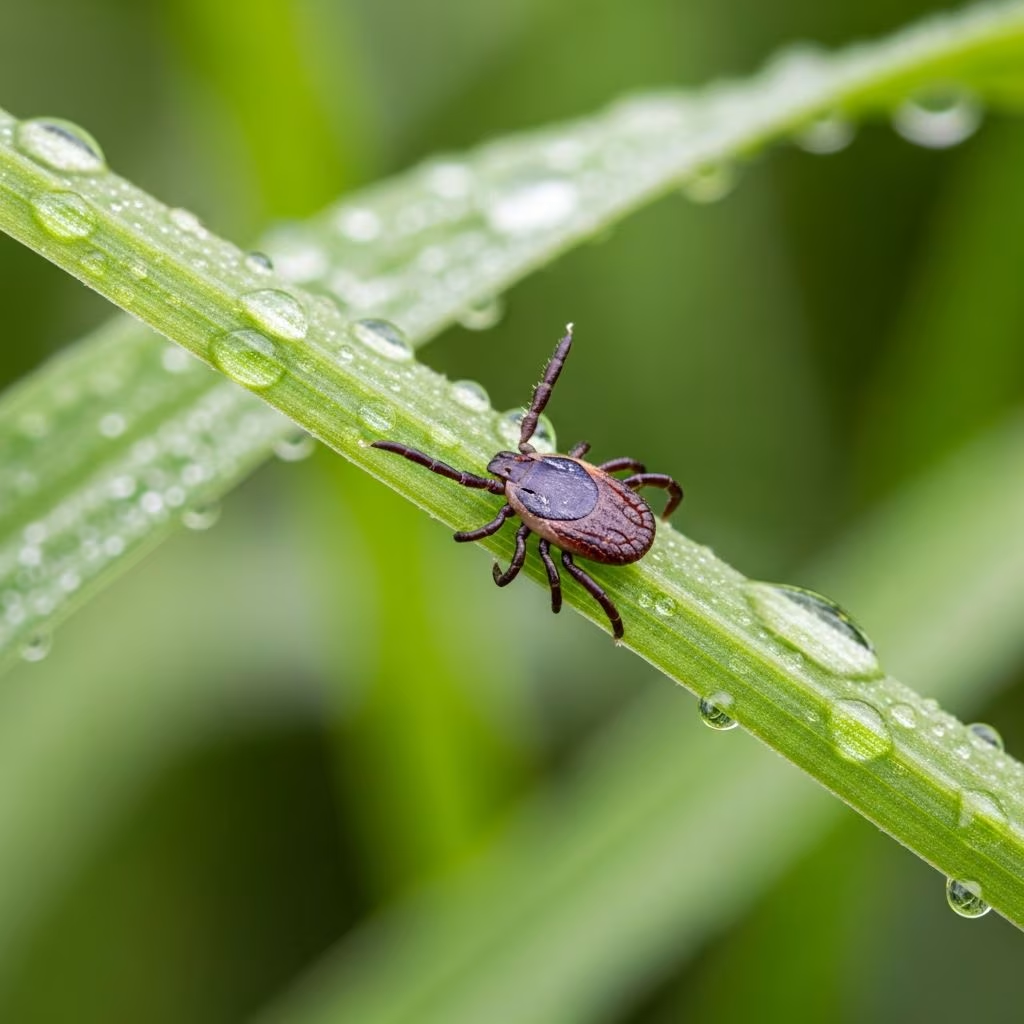
Ticks pose a significant health risk during warmer months, capable of transmitting serious diseases like Lyme disease, Rocky Mountain spotted fever, and anaplasmosis. With outdoor activities on the rise in summer, understanding how to protect yourself is crucial. This guide covers everything from personal protection to environmental controls, ensuring you can enjoy nature safely.
Understand the Tick Threat
Ticks are small arachnids that thrive in wooded, brushy, or grassy areas, particularly in spring and summer. The blacklegged tick, also known as the deer tick, is a primary carrier of Lyme disease in the U.S. These pests latch onto skin to feed on blood, often going unnoticed until they cause harm. Early detection and prevention are key to avoiding long-term health issues.
According to the Centers for Disease Control and Prevention (CDC), over 476,000 people in the U.S. may contract Lyme disease annually, with ticks responsible for a range of other illnesses. Symptoms can include fever, fatigue, and a characteristic bull’s-eye rash, but prevention starts before exposure.
Dress for Protection
The simplest line of defense is wearing the right clothing. Opt for light-colored, long-sleeved shirts and long pants to spot ticks easily. Tuck pants into socks and boots, and wear a hat to cover your hair. Closed-toe shoes prevent ticks from crawling up from the ground.
- Light colors: Make ticks visible for quick removal.
- Long sleeves and pants: Create a physical barrier.
- Tuck and tape: Secure pant legs with tape or rubber bands to block entry points.
This approach reduces skin exposure significantly, as ticks prefer to climb from the ground or low vegetation.
Use Effective Repellents
Repellents are essential for repelling ticks. The CDC recommends products containing 20-30% DEET for adults and lower concentrations for children. Picaridin and oil of lemon eucalyptus (OLE) are effective alternatives with fewer skin irritations.
| Repellent Type | Active Ingredient | Duration | Best For |
|---|---|---|---|
| DEET | 20-30% | 4-8 hours | High-risk areas |
| Picaridin | 20% | 8-14 hours | Sensitive skin |
| OLE/PMD | 30% | 4-6 hours | Natural option |
| Permethrin | 0.5% | Wash-wear (6 weeks) | Clothing only |
Apply repellents to exposed skin and clothing. For clothes, permethrin is a game-changer—it kills ticks on contact without direct skin application. Always follow label instructions, especially for children over 2 months.
Stick to Tick-Safe Paths
Avoid tick hotspots by staying on cleared trails during hikes. Ticks quest for hosts by waiting on tall grass, leaves, or shrubs, stretching out their front legs to grab passersby—a behavior called “questing.”
- Walk in the center of paths.
- Avoid bushy undergrowth and leaf litter.
- Skip areas with high deer populations, as deer are common tick carriers.
This strategy minimizes contact, as ticks cannot jump or fly; they rely on direct brushing.
Perform Daily Tick Checks
Inspect your body, clothing, and gear every day after outdoor time. Ticks often attach in hidden spots like armpits, groin, scalp, behind knees, and ears. Use a mirror or enlist a partner for a thorough check.
Shower within two hours of coming indoors to wash off unattached ticks. Tumble dry clothes on high heat for 10 minutes to kill any hitchhikers.
- Key check areas: Scalp, neck, ears, waistband, underarms, belly button, behind knees.
- For pets: Check fur, especially ears and between toes.
Make Your Yard Tick-Resistant
Ticks aren’t just a wilderness problem—they lurk in backyards. Create a tick-free zone by modifying your landscape.
- Mow regularly: Keep grass short (<3 inches) to reduce humidity ticks need.
- Clear debris: Remove leaf litter, brush, and woodpiles.
- Create barriers: Use gravel or wood chips to separate lawn from woods.
- Trim vegetation: Edge trees and shrubs to let sunlight in, drying out tick habitats.
Discourage wildlife hosts by securing bird feeders and removing standing water. Professional tick tubes—cardboard cylinders with permethrin-treated cotton—allow mice to pick up treated nesting material, killing ticks on rodents.
Safe Tick Removal Techniques
If you find a tick, remove it promptly and correctly to minimize disease transmission. Use fine-tipped tweezers to grasp the tick close to the skin and pull upward with steady pressure. Avoid twisting or squeezing the body.
- Clean the bite area and your hands with rubbing alcohol or soap and water.
- Dispose of the tick by submerging in alcohol, flushing, or taping to paper.
- Save the tick in a sealed bag for identification if symptoms appear.
Don’ts: Skip folklore methods like petroleum jelly, heat, or nail polish—these can make the tick regurgitate pathogens into the wound.
Protect Pets and Children
Pets and kids are prime targets. Use vet-recommended tick preventives like collars, spot-ons (e.g., Frontline), or oral meds. For children, apply repellents sparingly and check them meticulously post-play.
Educate kids on tick safety: Avoid tall grass, perform buddy checks, and report itchy spots.
Monitor for Symptoms and Seek Care
Watch for fever, chills, headache, muscle aches, or rash within 3-30 days. A expanding red rash resembling a bull’s-eye signals Lyme—contact a doctor immediately. Early antibiotics are highly effective.
Frequently Asked Questions (FAQs)
What is the best repellent for ticks?
DEET (20-30%) or permethrin on clothing offers the strongest protection per CDC guidelines.
How long can a tick transmit disease?
Blacklegged ticks can transmit Lyme after 36-48 hours of attachment.
Can ticks be prevented in the yard?
Yes, through mowing, barriers, and wildlife control measures.
What if I get bitten by a tick?
Remove promptly with tweezers, clean the area, and monitor for symptoms. Save the tick for testing.
Are natural repellents effective?
OLE provides decent protection but lasts shorter than synthetics; combine with clothing.
Additional Tips for Tick-Free Summers
Beyond basics, consider tick-resistant plants like lavender or garlic around your yard perimeter. Stay informed via local health alerts on tick activity. Apps like TickEncounter can help identify species from photos.
For high-risk areas, pre-treat gear seasonally. Remember, vigilance trumps all—combine methods for layered defense.
References
- Prevent Ticks on People — Centers for Disease Control and Prevention (CDC). 2024-05-15. https://www.cdc.gov/ticks/prevent_ticks_on_people.html
- Tick Bite Prevention — Mayo Clinic. 2024-02-20. https://www.mayoclinic.org/diseases-conditions/lyme-disease/in-depth/tick-bite-prevention/art-20046255
- About Ticks and Tickborne Disease — CDC. 2024-06-10. https://www.cdc.gov/ticks/about/index.html
- Preventing Tick Bites in Your Yard — University of Maine Cooperative Extension. 2023-04-12. https://extension.umaine.edu/ticks/management/yard/
- Ticks: Protecting Children — American Academy of Pediatrics. 2024-03-05. https://www.healthychildren.org/English/health-issues/conditions/infections/Pages/Ticks.aspx
- What to Do After a Tick Bite — CDC. 2024-01-22. https://www.cdc.gov/ticks/after-a-tick-bite/index.html
This article is general information, not personal financial advice. Consider your own situation, or speak with a licensed adviser, before acting on it.


