

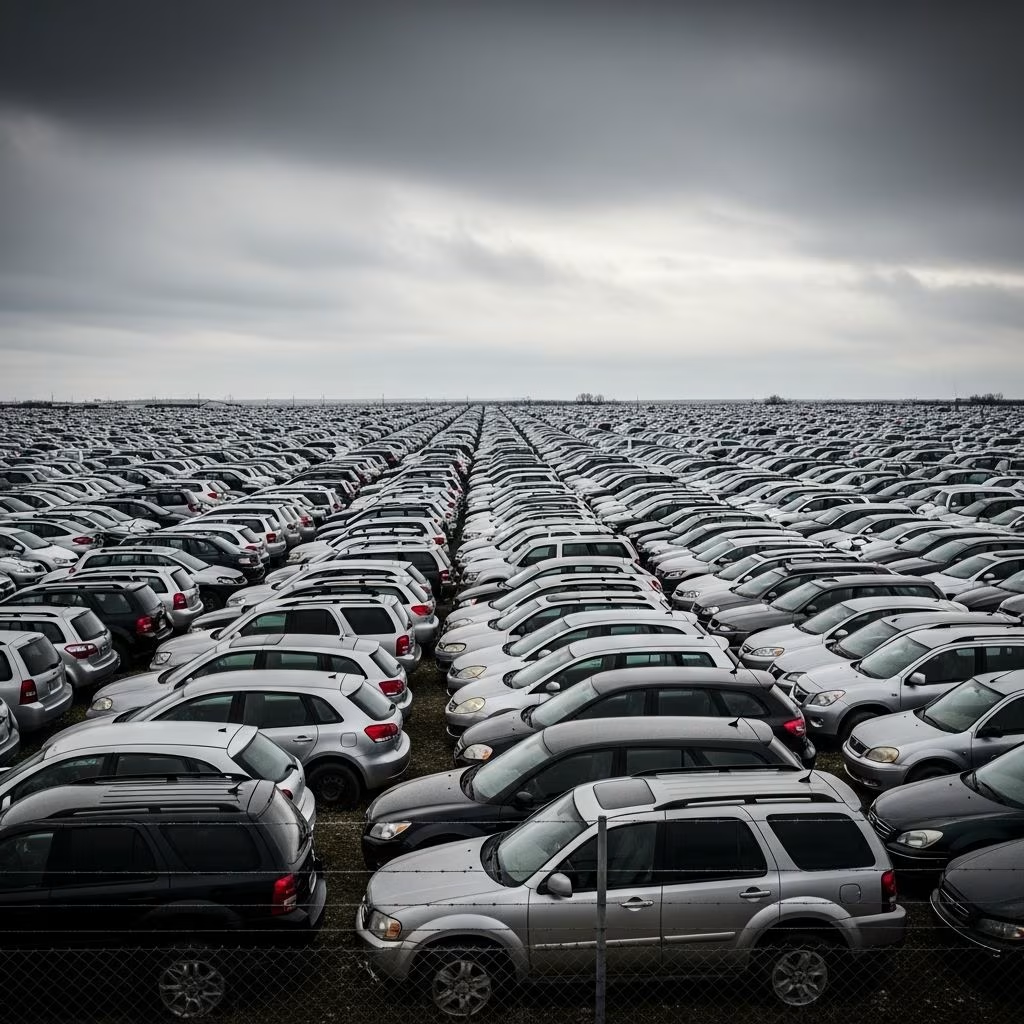
Dealerships face a persistent challenge with vehicles that remain unsold for extended periods, tying up capital and risking depreciation. These cars undergo various processes to recover value, including price adjustments, internal repurposing, redistribution, auctions, rentals, and eventual disposal.
The Financial Burden of Lingering Inventory
Maintaining unsold cars incurs significant costs known as floor plan financing, where dealers pay interest on loans for each vehicle on the lot. A 2023 study indicates used cars depreciate about 1% monthly if unsold. In extreme cases, dealers rent offsite lots for overflow, paying thousands monthly just for storage. This pressure prompts swift action to turn inventory.
Initial Strategies: Pricing and Promotions
Dealers first combat slow sales with aggressive pricing. Dynamic adjustments lower tags on aging units to match market demand. Bundling older models with popular new ones appeals to diverse buyers. Seasonal events and trade-in bonuses accelerate turnover, preventing further value loss.
- Track days in stock via software to flag slow movers early.
- Analyze sales data for trends in underperforming models.
- Launch targeted promotions emphasizing affordability.
Internal Repurposing for Continued Use
Rather than immediate sale, some vehicles become demo units for staff or loaners for service customers. Manufacturers often subsidize this by covering costs, keeping cars in rotation without full retail exposure. This maintains brand presence while generating service revenue.
| Repurposing Option | Benefits | Drawbacks |
|---|---|---|
| Demo Vehicles | Staff testing, customer trials | Added mileage reduces resale value |
| Service Loaners | Manufacturer incentives | Limited to short-term use |
| Management Fleet | Daily utility | High usage accelerates wear |
Manufacturer Redistribution Efforts
When dealers can’t sell, vehicles return to the OEM for reallocation. Brands like Ford redistribute to high-performing markets or dealers willing to take allocations. This ‘turn and earn’ approach rewards fast-selling lots with fresher stock, incentivizing quick turnover.
Auctions: The Wholesale Safety Net
Persistent unsold cars head to auctions, where they’re sold wholesale to other dealers, exporters, or fleets. OEMs aim for optimal mixes to avoid this, but overflows occur. Auctions flood during downturns, with repossessions adding volume; only half may sell promptly.
Rental Fleets and Bulk Buyers
Manufacturers offload to rental companies seeking affordable units for high-mileage needs. This clears lots without deep discounts that harm brand image—avoiding scenarios like 50% off premium models. Exporters target international demand for specific trims.
Last Resorts: Export, Dismantling, or Scrap
Very old inventory may export to emerging markets or dismantle for parts. Worst-case, scrapping recovers metals, though rare for new cars. Dealers avoid this to preserve allocations.
Advanced Inventory Tools and Best Practices
Software optimizes by segmenting stock by age, predicting demand, and prioritizing sales. ‘Build-to-order’ models like Tesla’s minimize excess, contrasting traditional build-to-stock vulnerabilities.
- Regular rotation refreshes lots.
- Diversify makes and trims.
- Flexible financing broadens appeal.
Flexible Financing to Boost Sales
Partnering with lenders offers low rates and leases on older cars, attracting budget buyers. Emphasizing payments over price eases barriers, expanding the market.
Market Dynamics Influencing Turnover
Shifts like post-pandemic gluts led to 220-day supplies versus historical 80, amplifying costs. Volatile prices mean aging stock loses value faster than acquisition costs. Proactive monitoring counters this.
FAQs
How long before a car is considered ‘aging’ inventory?
Typically over 60-90 days, depending on market; software flags based on benchmarks.
Do manufacturers penalize dealers for unsold cars?
Indirectly via reduced allocations under ‘turn and earn’ systems.
Can buyers find deals on unsold cars?
Yes, through discounts, incentives, or certified pre-owned programs.
What causes inventory buildup?
Mismatched production, demand shifts, or allocation refusals like electric models.
Are unsold new cars ever scrapped?
Rarely; auctions or rentals precede this.
Key Takeaways for Buyers and Dealers
For buyers, unsold cars mean negotiation leverage. Dealers thrive by data-driven management, turning potential losses into opportunities. Continuous adaptation to trends ensures viability.
References
- 5 Strategies for Managing Aging Inventory at Your Dealership — AutoSoft DMS. 2023. https://autosoftdms.com/strategies-for-managing-aging-inventory/
- What Happens To NEW CARS That Go UNSOLD? — YouTube (Automotive Insights). 2023-10-01. https://www.youtube.com/watch?v=XPNuErV-IHY
- The inventory tightrope in the automotive industry: Build-to-stock vs Build-to-Order — Thoughtworks. 2023. https://www.thoughtworks.com/en-us/insights/blog/customer-experience/the-inventory-tightrope-in-automotive-industry-build-to-stock-vs-build-to-order
- Dealership Inventory Management Is Key in an Uncertain Market — Reyrey. 2023-02-09. https://www.reyrey.ca/en/resources/blog/dealership-inventory-management-key-uncertain-market
- $867 Billion In UNSOLD Cars! Car Market APOCALYPSE Is Here! — YouTube (Market Analysis). 2024. https://www.youtube.com/watch?v=o2kO0ZfNIwI
- What Happens to Unsold New Cars? — CarEdge. 2024. https://caredge.com/guides/unsold-new-cars
- Inventory Management Strategies for Franchised Auto Dealers — Mercer Capital. 2023. https://mercercapital.com/inventory-management-strategies-for-franchised-auto-dealers/
This article is general information, not personal financial advice. Consider your own situation, or speak with a licensed adviser, before acting on it.


