

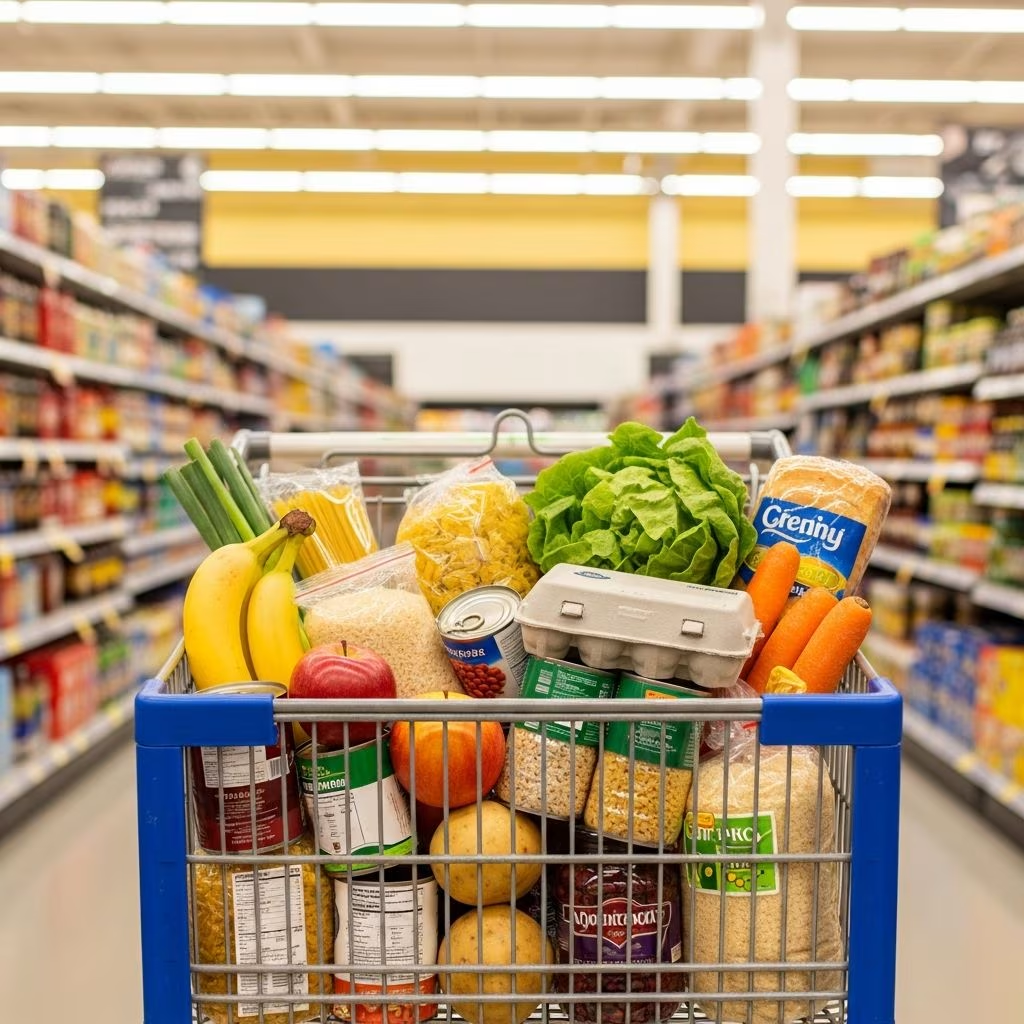
Knowing exactly what to buy at the grocery store can make the difference between staying on budget and overspending every month. With a little planning and a smart list, you can feed yourself or your family well, avoid food waste, and still keep your grocery costs under control.
This guide walks you through the key categories to focus on, examples of affordable foods to buy, and practical tips that help you save money while still eating balanced meals.
Why Your Grocery List Matters For Your Budget
Food is one of the largest flexible expenses in most households, so small changes at the grocery store can create meaningful savings over the course of a year. A clear, intentional grocery list helps you:
- Stick to your food budget instead of impulse spending in the aisles.
- Avoid buying duplicates of items you already have at home.
- Plan balanced meals so you are less tempted by expensive takeout.
- Reduce food waste by buying only what you can realistically use.
Research on household spending shows that planning meals and using a list is consistently associated with lower overall food costs and less waste.
How To Think About What To Buy At The Grocery Store
Before jumping into specific foods, it helps to use a simple framework so every item in your cart has a purpose. A good budget-friendly grocery list usually checks these boxes:
- Versatile: Ingredients can be used in more than one meal.
- Affordable: Items are cost-effective per serving or per unit.
- Filling: Foods contain fiber, protein, or healthy fats to keep you full.
- Long-lasting: Many items store well in the pantry, fridge, or freezer.
Building your list around those principles helps you get the most value from every dollar you spend at the store.
Core Categories To Focus On When You Shop
Instead of wandering every aisle, focus on a few key categories that give you the biggest nutritional and budget payoff.
1. Budget-Friendly Pantry Staples
Your pantry is the backbone of your low-cost meal plan. Shelf-stable staples often offer a low cost per serving and can be combined with fresh or frozen ingredients to build satisfying meals.
Consider stocking up on:
- Whole grains: Brown rice, oats, whole wheat pasta, quinoa, barley.
- Dry or canned beans: Black beans, pinto beans, chickpeas, lentils.
- Canned tomatoes: Diced, crushed, or tomato sauce for soups and sauces.
- Nut butters: Peanut or other nut butters (store brands are often cheaper).
- Broth or bouillon: Chicken, beef, or vegetable to flavor soups and grains.
- Cooking oils: Canola, vegetable, or olive oil (buy the size that matches your usage).
- Seasonings: Salt, pepper, garlic powder, onion powder, dried herbs, basic spice blends.
These basics can stretch almost any meal: beans and rice, pasta with tomato sauce, oatmeal bowls, grain salads, and more.
2. Affordable Proteins That Keep You Full
Protein can be one of the costlier parts of your list, but there are many budget-friendly options that still support a balanced diet.
Look for:
- Eggs: Versatile and usually one of the cheapest animal proteins per serving.
- Canned tuna or salmon: Great for salads, sandwiches, and pasta dishes.
- Chicken: Whole chickens or bone-in cuts are often cheaper than boneless breasts.
- Ground meat: Ground turkey or beef (buy larger packs and freeze portions).
- Plant proteins: Dry beans, lentils, tofu, and tempeh.
- Greek yogurt or cottage cheese: Can double as snacks or breakfast.
Plant-based proteins like beans and lentils are usually less expensive than meat and can replace or stretch animal proteins in many recipes.
3. Produce: Fresh, Frozen, And Canned
Fruits and vegetables do not have to be expensive. A mix of fresh, frozen, and canned produce can help you eat more plants without overspending.
Fresh Produce
Choose items that are in season or on sale to get the lowest prices and best flavor. Budget-friendly options often include:
- Carrots
- Potatoes and sweet potatoes
- Onions and garlic
- Bananas and apples
- Cabbage
- Oranges when in season
These choices tend to last longer in the fridge or pantry and can be used in multiple recipes, which helps reduce waste.
Frozen Produce
Frozen fruits and vegetables are typically picked and frozen at peak ripeness, so they retain nutrients and often cost less than fresh out-of-season produce.
- Frozen mixed vegetables for soups, casseroles, and stir-fries.
- Frozen berries for smoothies, oatmeal, and yogurt.
- Frozen spinach or broccoli to add to pasta, eggs, or grain bowls.
Canned Produce
Canned fruits and vegetables can also be budget-friendly and convenient. Choose:
- Canned tomatoes (no added sugar) for sauces and stews.
- Canned corn, green beans, or peas (low-sodium if possible).
- Canned fruit in water or its own juice instead of syrup.
4. Dairy And Dairy Alternatives
Dairy products can provide protein, calcium, and other nutrients, and many staple items are relatively affordable per serving.
- Milk or fortified plant-based milk (choose options fortified with calcium and vitamin D).
- Plain yogurt (buy large tubs instead of single-serving cups to save).
- Cheese blocks or shredded cheese (use sparingly in recipes).
- Cottage cheese as a snack or breakfast option.
Fortified plant-based milks can be a good alternative if you avoid dairy, as long as you choose unsweetened varieties and check that they are enriched with calcium and vitamin D.
5. Smart Snacks And Quick Breakfasts
Snack foods can quietly drive up your grocery bill. Focus on items that are both satisfying and reasonably priced, and avoid buying too many single-serving packaged snacks.
Consider:
- Oats for oatmeal or overnight oats.
- Popcorn kernels (cheaper than microwave bags).
- Fresh fruit like bananas, apples, and seasonal options.
- Carrots and celery with hummus or peanut butter.
- Whole wheat bread or tortillas for quick toast and wraps.
- Trail mix ingredients bought in bulk (nuts, seeds, raisins).
Example Budget Grocery List
Use the table below as a starting point for a simple, balanced, and budget-conscious grocery list. Adjust quantities based on your household size and dietary needs.
| Category | Example Items | Budget-Friendly Notes |
|---|---|---|
| Grains & Starches | Brown rice, oats, whole wheat pasta, potatoes, tortillas | Buy in bulk or larger packages for lower unit prices. |
| Proteins | Eggs, dry beans, lentils, canned tuna, chicken thighs | Use plant proteins several times a week to cut costs. |
| Vegetables | Carrots, onions, frozen mixed vegetables, canned tomatoes | Combine fresh with frozen or canned to balance cost and convenience. |
| Fruits | Bananas, apples, frozen berries, seasonal fruit | Choose in-season or on-sale items; buy frozen berries for year-round use. |
| Dairy & Alternatives | Milk, yogurt, cheese, fortified soy or oat milk | Plain large tubs are usually cheaper than flavored single portions. |
| Pantry Extras | Peanut butter, cooking oil, broth, basic spices | Store brands often offer similar quality for less. |
| Snacks & Breakfast | Popcorn kernels, bread, nut butter, fruit, carrots | Focus on simple, minimally processed items. |
Tips For Sticking To Your Budget Grocery List
Choosing the right items is only half the equation. How you shop matters just as much as what you buy.
1. Plan Meals Before You Shop
Start with a simple meal plan for the week. Decide on 3–5 main dinners you will cook and identify overlapping ingredients (for example, rice and beans can be used for burrito bowls one day and soup another). Meal planning has been shown to reduce last-minute takeout spending and overall food costs.
2. Take Inventory At Home
Check your pantry, fridge, and freezer before you leave for the store. This prevents buying items you already have and helps you plan how to use what is on hand. Many households throw away food simply because it is forgotten in the refrigerator or pantry.
3. Prioritize Store Brands And Sales
Store-brand items often cost less than name brands while offering similar quality, especially for basics like canned goods, grains, and dairy. Weekly store sales and loyalty programs can further reduce costs if you plan your list around what is discounted.
4. Compare Unit Prices
Look at the price per unit (per ounce, pound, or liter) on shelf labels to see which size or brand offers the best value. Buying larger packages is not always cheaper, so checking the unit price helps you make objective decisions.
5. Use The Freezer To Reduce Waste
The freezer is a powerful budget tool. You can:
- Freeze leftover cooked grains, beans, and soups in portions.
- Freeze meat bought on sale to use later.
- Freeze ripe fruit for smoothies or baking.
Freezing food before it spoils helps protect both your budget and the environment by cutting down on food waste.
Putting It All Together: Sample One-Week Meal Ideas
Using the example grocery list, you can create multiple meals without buying specialty ingredients. For instance:
- Breakfasts: Oatmeal with banana; yogurt with frozen berries; toast with peanut butter.
- Lunches: Rice and beans bowls; tuna salad sandwiches with carrot sticks; leftovers from dinner.
- Dinners: Lentil soup with bread; baked chicken thighs with potatoes and carrots; pasta with tomato sauce and frozen vegetables; stir-fry with rice and mixed vegetables.
By repeating ingredients across meals, you lower costs, simplify your shopping, and reduce waste.
Frequently Asked Questions (FAQs)
Q: How can I keep my grocery bill low without sacrificing nutrition?
Focus on basic, minimally processed foods like whole grains, beans, lentils, eggs, frozen vegetables, and seasonal produce. These items are typically cheaper per serving and provide key nutrients such as fiber, protein, and vitamins.
Q: Is it cheaper to buy fresh, frozen, or canned produce?
All three can be budget-friendly. Fresh produce is often cheapest when it is in season, while frozen and canned options are usually less expensive when a fruit or vegetable is out of season. Frozen produce often retains nutrients well because it is frozen shortly after harvest.
Q: How often should I go to the grocery store to stay on budget?
Many people find that shopping once a week or less supports better budgeting. Fewer trips usually mean fewer impulse purchases. Combine a weekly trip for fresh items with less frequent bulk purchases for pantry staples.
Q: Are plant-based meals really cheaper?
In many cases, yes. Staple plant proteins like beans, lentils, and tofu are typically cheaper per gram of protein than meat or fish, especially when bought dry or in bulk. Even replacing a few meat-based meals with plant-based ones each week can reduce your food costs.
Q: How can I start if my pantry is nearly empty?
Begin by choosing a few low-cost staples—such as rice, beans or lentils, oats, and frozen vegetables—and build simple meals around them. Add more spices, grains, and canned goods over time as your budget allows.
References
- Food Prices and Spending — U.S. Department of Agriculture, Economic Research Service. 2024-06-26. https://www.ers.usda.gov/data-products/food-price-outlook/
- Wasted: How America Is Losing Up to 40 Percent of Its Food from Farm to Fork to Landfill — Natural Resources Defense Council. 2017-08-01. https://www.nrdc.org/resources/wasted-how-america-losing-40-percent-its-food-farm-fork-landfill
- Dietary Guidelines for Americans, 2020–2025 — U.S. Department of Agriculture & U.S. Department of Health and Human Services. 2020-12-01. https://www.dietaryguidelines.gov
- Healthy Eating on a Budget — U.S. Department of Agriculture, MyPlate. 2024-02-01. https://www.myplate.gov/eat-healthy/healthy-eating-budget
- The Benefits of Frozen Fruits and Vegetables — Academy of Nutrition and Dietetics. 2023-03-01. https://www.eatright.org/food/planning-and-prep/smart-shopping/the-benefits-of-frozen-fruits-and-vegetables
This article is general information, not personal financial advice. Consider your own situation, or speak with a licensed adviser, before acting on it.


